





A Shift in the Great Indian Holiday
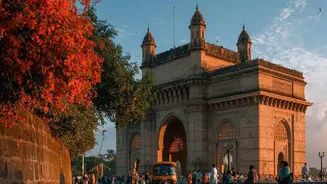
For decades, Indian tourism often meant ticking off a few famous landmarks. But today, both domestic and international travellers are looking for more. There is a growing appetite for experiences over simple sightseeing. This shift is powered by a new
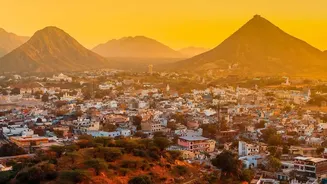
generation of travellers, particularly those aged 18 to 35, who prioritise cultural immersion, solo trips, and journeys to less-visited destinations. Government initiatives like 'Dekho Apna Desh' are also playing a significant role, encouraging citizens to discover the country's vast diversity and supporting the development of new tourist hubs to ease pressure on traditional hotspots. This has led to a boom in domestic travel, making it the backbone of the industry and paving the way for fresh travel concepts to flourish.
The Call of the Wild, Reimagined
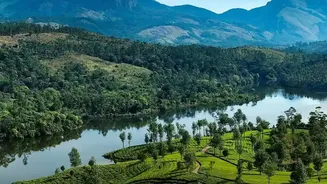
The classic jungle safari is getting an exciting update. While the thrill of spotting a tiger remains a powerful draw, new circuits are emerging that focus on different ecosystems and wildlife. Destinations like Bera in Rajasthan offer a unique landscape of granite hills where travellers can spot leopards coexisting with the local Rabari community. In Madhya Pradesh, Satpura Tiger Reserve provides a more holistic forest experience that isn't solely dependent on tiger sightings. Even established zoos are enhancing their offerings; Hyderabad's Nehru Zoological Park recently expanded its safari circuit to improve the visitor experience. This diversification allows for more responsible wildlife tourism, spreading visitors across a wider area and highlighting the incredible variety of India's fauna, from lions in Gir to the unique species of the Himalayas and the Western Ghats.
Living Like a Local in Rural India
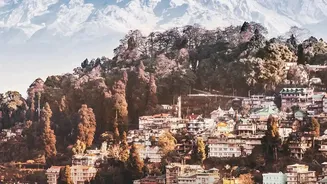
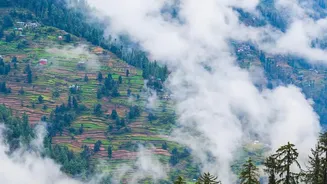
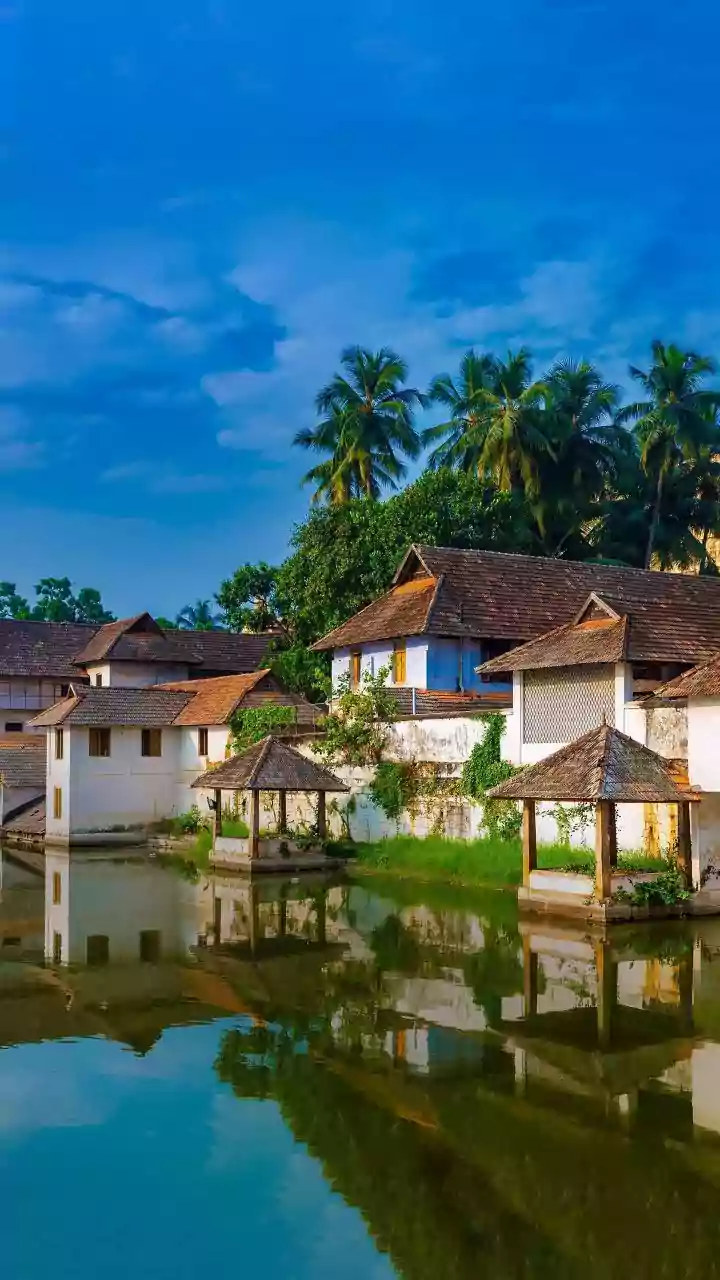
The concept of 'village stays' is rapidly moving from a niche offering to a mainstream travel choice. This is more than just finding a bed for the night; it's about genuine cultural exchange. Travellers are invited to participate in the daily life of a rural community, whether that involves joining in farming activities, learning a traditional craft, or sharing home-cooked meals with a host family. States like Kerala, Himachal Pradesh, Rajasthan, and Sikkim are becoming popular for these community-based tourism initiatives. This model provides an authentic, memorable experience for the visitor while ensuring that tourism revenue directly supports the local economy, empowers communities, and helps preserve cultural heritage.
New Adventures for Every Traveller
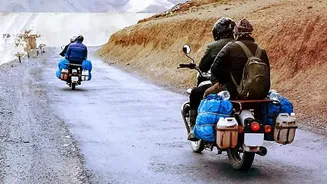
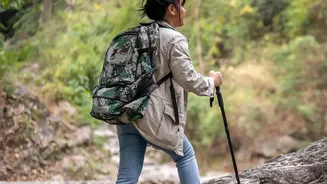
The new tourism landscape is also catering to a wide array of special interests. Experiential travel is now a dominant force, with culinary tours and cooking classes in local homes becoming incredibly popular ways to connect with regional cultures. Wellness and spiritual tourism are also evolving, moving beyond yoga retreats to include mindfulness centres and even 'rest tourism' in tranquil locations like Ladakh. For thrill-seekers, adventure tourism is expanding, with states like Sikkim introducing new activities like bungee jumping in rural areas to attract visitors. This focus on niche experiences means travellers can build entire holidays around their passions, from exploring tribal culture in Chhattisgarh to discovering Buddhist heritage in Central India.
The Rise of Conscious, Sustainable Travel
Underpinning all these trends is a fundamental move towards sustainability. Travellers are increasingly aware of their environmental and social impact, and are actively seeking out eco-friendly options. This includes choosing certified green hotels, participating in community-based wildlife conservation projects, and offsetting their carbon footprint. The Indian government has also recognised this need, rolling out national strategies for sustainable tourism and ecotourism. The goal is to ensure that as tourism grows, it does so in a way that is inclusive, carbon-neutral, and protects India's natural and cultural treasures for future generations. This conscious approach benefits everyone, from the visitor seeking a meaningful journey to the host communities working to preserve their way of life.