





The Joy of a Minimalist Kitchen
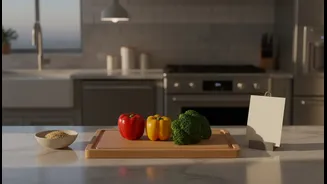
In many modern Indian homes, kitchen space is a premium. The idea of a minimalist kitchen—one with fewer, more deliberate items—is gaining traction. It’s not about deprivation, but about efficiency and peace of mind. A streamlined kitchen reduces visual
clutter, makes finding what you need easier, and surprisingly, can make you a more creative cook. When you have one great pot instead of five mediocre ones, you learn its capabilities and adapt your techniques. This approach simplifies not just your physical space, but your mental load, freeing you to enjoy the process of cooking rather than feeling overwhelmed by the cleanup that awaits.
What Defines Multipurpose Cookware?
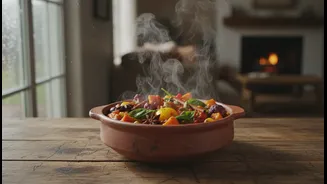
Multipurpose cookware isn't a single product, but a category of thoughtfully designed pieces that excel at various tasks. The goal is to own items that can transition seamlessly from one cooking method to another. A pot that can sauté, simmer, and go into the oven eliminates the need for a separate frying pan and baking dish. This philosophy challenges the notion of needing a unique pot for every dish. Instead, it encourages investing in high-quality, versatile items that work harder for you. From one-pot meals to batch cooking, these pieces are the workhorses of an efficient kitchen, saving you time on both prep and the dreaded dishwashing.
Key Pieces for the Indian Kitchen
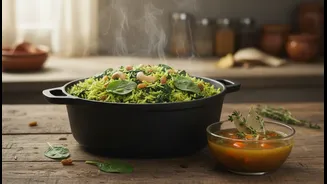
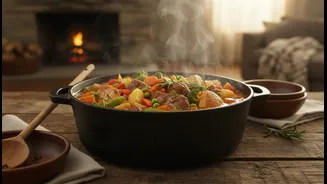
While the specific needs of every kitchen differ, a few core pieces offer incredible versatility for Indian cooking. A deep, heavy-bottomed kadai is a non-negotiable staple; it's perfect for everything from deep-frying samosas and sautéing sabzis to simmering rich curries. A quality pressure cooker remains indispensable, drastically cutting down cooking time for dals and meats. A well-seasoned cast-iron tawa is essential for rotis, parathas, and dosas. Finally, consider a Dutch oven. Often seen as a Western item, its ability to retain heat and moisture makes it perfect for slow-cooked dishes like biryani, nihari, or dal makhani, moving from stovetop to oven with ease.
Choosing the Right Materials
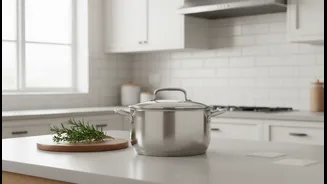
The material of your cookware is as important as its shape. Tri-ply stainless steel is a modern favourite for its durability, even heating, and non-reactive surface, which means it's safe for cooking acidic ingredients like tomatoes and tamarind. Cast iron is a traditional powerhouse, prized for its superior heat retention, which is great for searing and frying. While it requires some maintenance, a well-seasoned cast iron pan can last for generations. Enameled cast iron offers the benefits of cast iron without the need for seasoning and is non-reactive, making it a great, albeit heavier, all-rounder. There is no single best material; the ideal kitchen often uses a smart mix to suit different cooking tasks.
The Ultimate Win: Simplified Cleanup
The most immediate and gratifying benefit of adopting multipurpose cookware is the reduction in cleanup time. Fewer pots and pans used during the cooking process directly translates to less time spent scrubbing at the sink. This simple equation has a major impact on daily life. It means more time to relax after a meal and less dread associated with cooking. Techniques like planning one-pot meals and reusing a pan for multiple steps in a recipe (when flavours are compatible) further amplify this benefit. By cooking smarter, you not only make your meal preparation more streamlined but also conquer the mountain of dishes before it even forms.