
Understanding the Directional Difference
The single most important factor for a houseplant's success is matching it to the right light. Light intensity and duration change depending on the direction a window faces. An east-facing window gets direct sun only in the morning, when the light is gentle
and cool. In contrast, a north-facing window receives the least amount of direct sunlight, offering consistent but low-intensity, indirect light throughout the day. This creates two very distinct environments, each perfect for different types of plants.
The Gentle Morning of an East-Facing Room
An east-facing room is often considered an ideal spot for many popular houseplants. These spaces are gifted with the soft, early light of the rising sun. This direct morning sun is less intense than the harsh afternoon rays from a west or south window, meaning it's less likely to scorch delicate leaves. After the morning, the room receives bright, indirect light for the rest of the day. This combination of gentle direct sun and then filtered light creates a nurturing environment for plants that need a good amount of brightness without the stress of intense heat.
Top Plants for an East-Facing Window
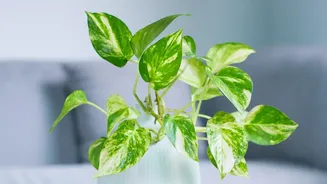
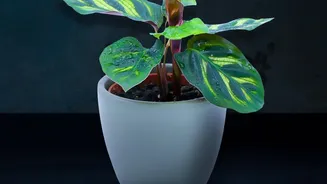
Plants that flourish in moderate, bright, and indirect light will feel right at home here. The beloved Money Plant (Pothos) is a versatile choice that thrives in this setting, as does the elegant Peace Lily, which appreciates the morning sun to help it produce its white blooms. Ferns, like the Boston Fern, love the humidity and bright morning light which keeps their fronds from burning. Other great options include the popular Rubber Plant and the Prayer Plant (Calathea), whose leaves often fold up at night. Even the sacred Tulsi plant does well near an east-facing window, as it enjoys the morning sun.
The Cool, Consistent North-Facing Room
North-facing rooms are the shadiest and coolest in a home, receiving weak, indirect light for the entire day. Many plant owners see this as a challenge, but it’s the perfect environment for species that have evolved on forest floors, under the canopy of larger trees. While you won't be growing sun-loving flowers here, it's an excellent opportunity to cultivate lush, foliage-focused plants. The key is to place them as close to the window as possible to maximize the available light, as the intensity drops significantly even a few feet away.
Hardy Plants That Thrive in the North
This is where low-light champions shine. The nearly indestructible Snake Plant (Sansevieria trifasciata) is a top choice, as it tolerates very low light and infrequent watering. Similarly, the ZZ Plant (Zamioculcas zamiifolia) is prized for its ability to thrive on neglect in dim corners, with glossy leaves that reflect what little light is available. The versatile Pothos, or Money Plant, also adapts well to lower light, though its growth may be slower than in a brighter spot. Other excellent choices for a north-facing window include the durable Cast Iron Plant, the elegant Chinese Evergreen (Aglaonema), and the classic Spider Plant.