


From Tokyo to Tiffin: The Bento Arrives
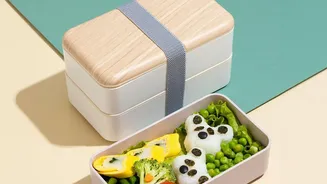
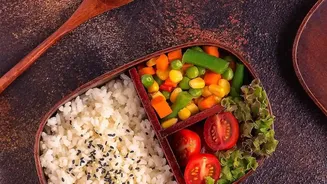
First, let's unpack the bento itself. Originating in Japan, a bento box is a single-portion, home-packed or takeout meal. Its philosophy is built on balance, nutrition, and aesthetics. Traditionally, it contains rice or noodles, a protein like fish or meat,
and pickled or cooked vegetables, all arranged meticulously in separate compartments. This separation is key; it keeps flavours distinct, prevents sogginess, and creates a visually appealing meal that many describe as an art form. The concept has gained global popularity, especially as people focus more on mindful eating, portion control, and reducing waste from disposable packaging.
The Great Indian Makeover
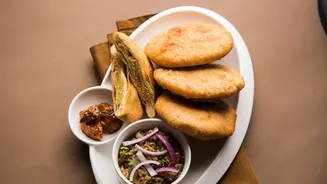
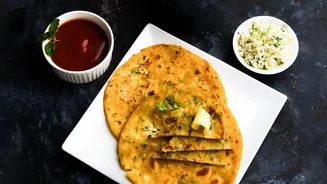
While India has a long and proud tradition of tiffin boxes—functional, stainless-steel tiered containers built for durability—the bento offers a different kind of appeal. Now, creative Indian cooks are fusing the Japanese format with desi soul. The compartments are being filled not with tamagoyaki and onigiri, but with everything from Punjabi gobhi paratha to South Indian lemon rice. Paneer, a versatile favourite, appears in various forms: as a dry sabzi, in flavourful tikka skewers, or as a filling for roti wraps cut into bite-sized 'sushi' rolls. Rotis and theplas are neatly folded or rolled, rice dishes like vegetable pulao or even biryani occupy the main compartment, while smaller sections are perfect for dal, raita, a fresh salad, and a piece of pickle.
Why the Bento Box Works for Indian Food
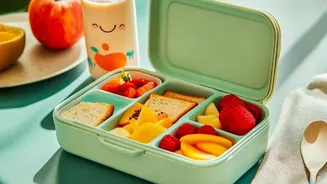
The trend isn't just about aesthetics; it's deeply practical. The bento’s compartmentalised design is perfectly suited to the Indian style of eating, which often involves multiple components—a main dish, a side, a flatbread, and condiments. Unlike a traditional single-chamber box where a curry might make a roti soggy by lunchtime, the bento keeps everything separate and fresh. This structure is a game-changer for office-goers seeking a mess-free desk lunch and for parents trying to pack appealing, balanced meals for picky eaters. The visual separation and variety can make everyday food seem more exciting, encouraging children to eat a wider range of vegetables and proteins.
A Sign of Modern Tastes
The rise of the Indian bento is more than a lunch trend; it reflects a broader cultural shift. It speaks to a modern Indian identity that is globally aware yet firmly rooted in local flavours. As wellness and mindful eating become priorities, the bento’s emphasis on portion control and balance resonates with many. Furthermore, in the age of social media, where we 'eat with our eyes first', a beautifully arranged desi bento is highly shareable content. It’s a quiet celebration of homemade food, combining the care package feeling of a traditional tiffin with a contemporary, organised presentation. This fusion acknowledges that while our tastes remain distinctly Indian, our approach to convenience and presentation is evolving.