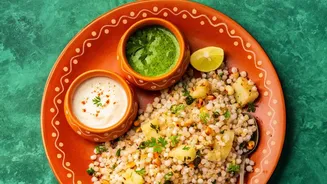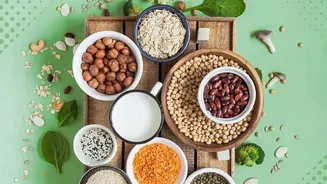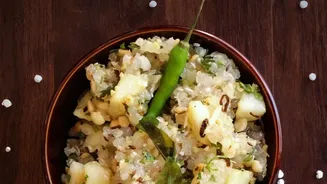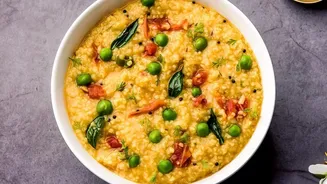


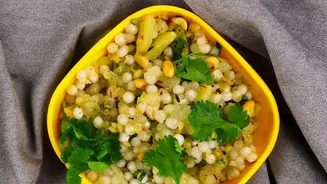
In the quest for wholesome meals that keep you full and nourished, two Indian classics always come to mind: dalia and khichdi. Both are celebrated for their comfort and health benefits, but how do they stack up when it comes to satiety?
Understanding Dalia: The Whole Wheat Powerhouse
Dalia, also known
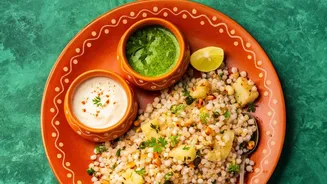
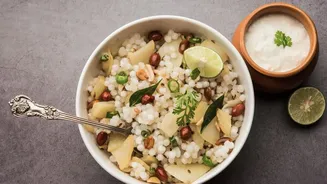
as broken or cracked wheat, is a minimally processed whole grain that has been a staple in Indian households for generations. It is made by coarsely grinding whole wheat kernels, which ensures that it retains its nutrient-rich bran and germ. This makes dalia a fantastic source of complex carbohydrates, protein, and most importantly, dietary fibre. A 100-gram serving of uncooked dalia contains roughly 12 grams of protein and between 12 to 18 grams of fibre, which is crucial for digestive health and promoting a feeling of fullness. Its high fibre content slows down digestion, leading to a gradual release of energy and preventing the sudden hunger pangs that often follow a less substantial meal.
The Profile of Khichdi: A Comforting Combination
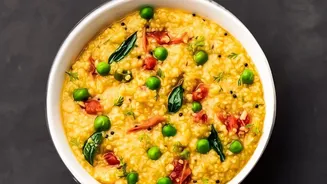
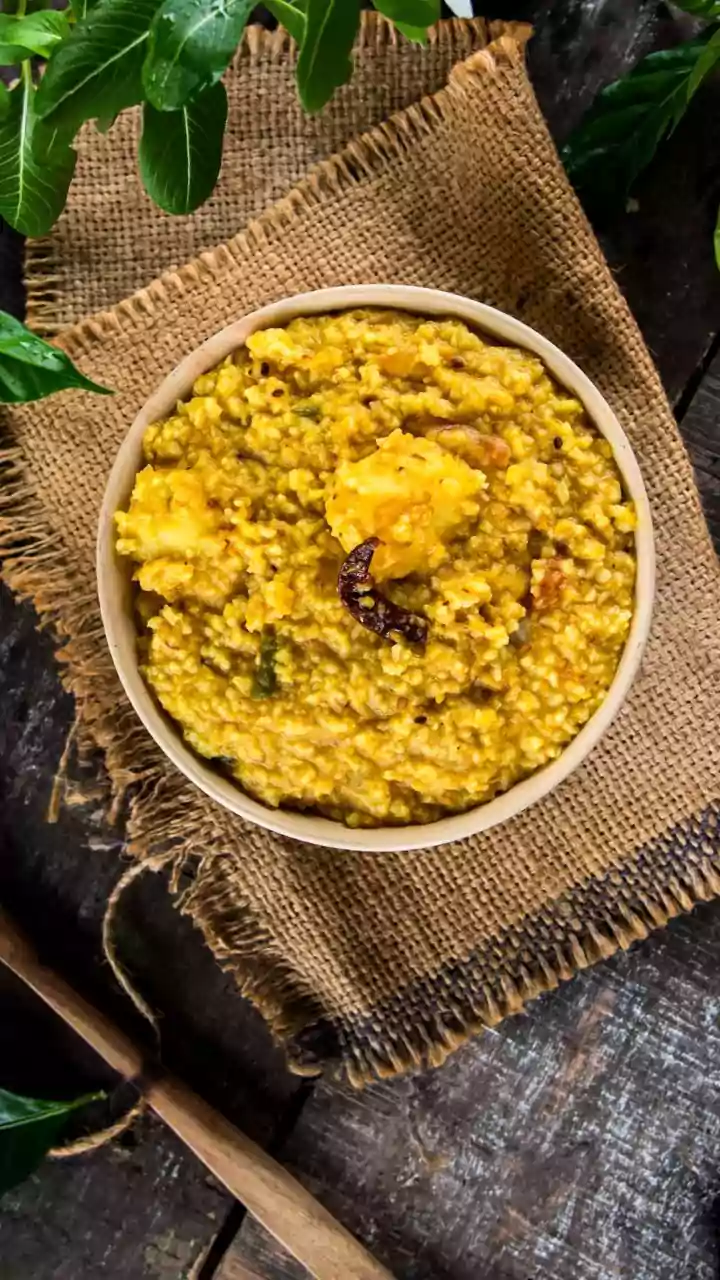
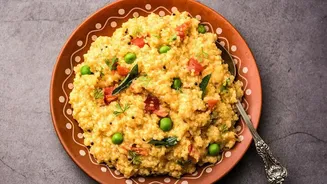
Khichdi is a versatile and beloved one-pot meal, traditionally made from a combination of rice and lentils, typically moong dal. This pairing is no accident; it creates a complete protein, providing all the essential amino acids your body needs for muscle repair and growth. While recipes vary, a standard bowl of moong dal khichdi is praised for being easy on the digestive system. The nutritional content can change based on the ratio of rice to dal and the addition of vegetables and ghee. A cup of cooked moong dal khichdi generally provides a balanced mix of carbohydrates and protein, with a moderate amount of fibre. It's this combination that makes khichdi both comforting and capable of providing lasting satiety.
The Satiety Showdown: Fibre and Protein
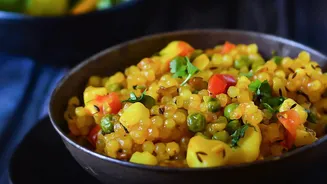
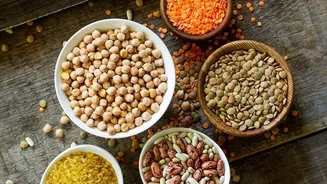
When it comes to feeling full, both fibre and protein are key players. This is where dalia often takes the lead. Due to being a whole grain, dalia is exceptionally high in fibre. This fibre adds bulk to your meal and slows down the rate at which your stomach empties, keeping you satisfied for longer. A vegetable dalia khichdi, which replaces rice with broken wheat, can offer significantly more fibre than a traditional rice-based khichdi. However, khichdi's strength lies in its complete protein profile from the rice and dal combination. Protein is also known to enhance satiety. For a more protein-rich khichdi, increasing the proportion of lentils to rice is a simple and effective modification that boosts its ability to keep you full.
A Deeper Dive: Glycemic Index and Nutrients
Beyond just fibre and protein, the glycemic index (GI) of a food affects how it impacts your energy and hunger levels. Dalia typically has a low to medium GI, ranging from 41 to 55, meaning it releases sugar into the bloodstream slowly. This prevents sharp spikes and crashes in blood sugar, which can trigger cravings. The GI of traditional khichdi can be higher due to the white rice, but this can be lowered by using brown rice or millets instead. Both dalia and khichdi are storehouses of essential micronutrients. Dalia is rich in B vitamins, iron, magnesium, and phosphorus, which are vital for energy production and bone health. Khichdi, especially when cooked with a variety of vegetables, delivers a broad spectrum of vitamins and minerals, making it a complete and nourishing meal.
Making the Right Choice for You
So, which one is better for satiety? There is no single answer, as the best choice depends on your specific needs and preferences. If your primary goal is to maximize fibre intake for prolonged fullness and digestive regularity, dalia is an excellent option. It works wonderfully as a breakfast porridge or a savoury upma. On the other hand, if you are looking for a gentle, easily digestible, and balanced meal that provides complete protein, khichdi is a perfect fit. It's an ideal dinner, especially when you want something light yet satisfying. You can also get the best of both worlds by making a dalia khichdi, combining broken wheat with lentils for a meal that is high in both fibre and protein.