






Why Your New Car Will Cost More
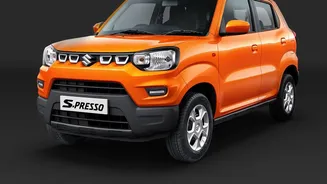
If you've been eyeing a new vehicle, you’re not imagining it—cars are getting more expensive. Tata Motors is increasing prices by up to Rs 25,000 from September 1. Hyundai has also announced a price hike of up to 1% for September, its third increase in 2026.
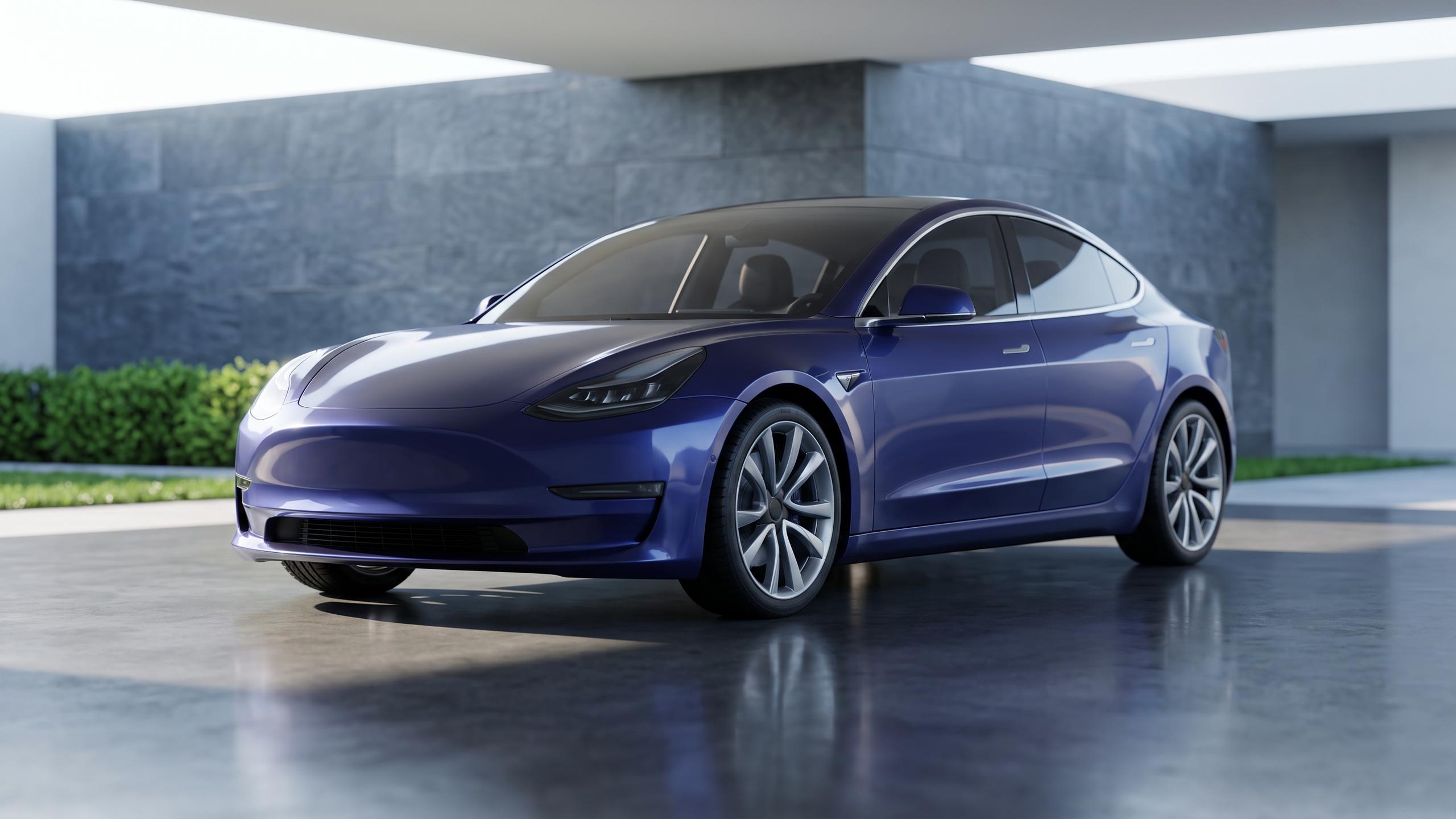
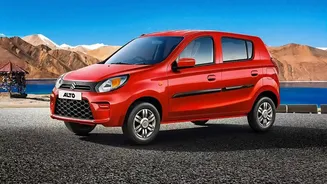
This follows an earlier price rise by Maruti Suzuki in August. Automakers point to a consistent set of challenges: rising input and commodity costs, continued inflationary pressures, and geopolitical uncertainties affecting supply chains. These factors make raw materials like steel and aluminium, as well as crucial components like EV batteries, more expensive for manufacturers, who are now passing a portion of that burden onto customers.
The Impact on Your EMIs
A higher sticker price is only part of the story. The total cost of owning a car is also influenced by interest rates on your loan. As of June 2026, car loan interest rates from major banks ranged from approximately 7.35% to over 11% per annum. A strong CIBIL score of 750 or more is usually required to secure the most competitive rates, which typically fall between 8.5% and 9.5% for salaried individuals. Even a small difference in the interest rate can significantly increase your Equated Monthly Instalment (EMI) and the total amount you pay over the loan's tenure. Before heading to the showroom, it's wise to get a pre-approved loan from a bank to understand your budget and avoid being swayed by potentially less favourable dealer financing.
New vs. Used: Which Market to Target?
With new car prices on the rise, the used car market might seem like a refuge. However, it comes with its own set of considerations. The primary advantage of buying a used car is that the first owner has already absorbed the steepest depreciation hit and the initial high taxes, which can be up to 50% of a new car's ex-factory price. This can translate into huge savings. On the flip side, you must be diligent about inspections to avoid unforeseen repair costs. The new car market offers the latest technology, safety features, and a full manufacturer warranty, providing peace of mind. Your decision should weigh the immediate savings of a used car against the long-term reliability and modern features of a new one.
Smart Strategies for September Buyers
Navigating a high-price market requires a smart and flexible approach. First, be open-minded about your choices. Being flexible on the model, variant, and even colour can open up more options and potentially better deals. Second, don't accept the first price you're offered. Get quotes from multiple dealerships to create negotiating leverage. Timing can also be a factor; purchases made at the end of the month or quarter can sometimes yield better discounts as dealerships push to meet sales targets. Finally, look beyond the ex-showroom price and consider the total cost of ownership. Always get separate insurance quotes, as dealer-provided insurance is often significantly marked up, and you can legally purchase it from any approved provider.