








Why Walking Beats the Couch
After a long day and a satisfying meal, the siren song of the sofa is hard to resist. Yet, this is precisely the moment when a little movement can deliver outsized health benefits. While a high-intensity workout might be the last thing you want to do,
a gentle walk is not only more manageable but also perfectly timed to help your body process your dinner. This simple habit requires no gym membership or special equipment, just a few minutes of your time. The science shows that this small act of self-care can have a profound impact on your digestion, blood sugar, and even your mental well-being.
A Boost for Your Digestion
One of the most immediate benefits of a post-meal stroll is improved digestion. Gentle movement stimulates the stomach and intestines, helping food move through your system more rapidly. This can significantly reduce common post-dinner complaints like bloating, gas, and that overly full feeling. Research has shown that a walk of just 10 to 15 minutes can lessen these gastrointestinal symptoms. Unlike vigorous exercise, which can sometimes divert blood flow away from the digestive system and cause discomfort, a low-intensity walk works in harmony with your body's natural processes.
Mastering Post-Meal Blood Sugar
Perhaps the most powerful benefit of walking after you eat is its effect on blood sugar. After a meal, carbohydrates are broken down into glucose, causing your blood sugar levels to rise. A walk, even a very short one, helps your muscles use this glucose for energy, effectively pulling it out of your bloodstream. Studies have found that even two to five minutes of light walking after a meal can significantly lower the post-meal blood sugar spike. This is particularly crucial after dinner, which is often the largest meal of the day and a time when we tend to be most sedentary, making blood sugar spikes more pronounced. By moderating these spikes, you reduce the strain on your system and lower your long-term risk for developing type 2 diabetes.
Beyond the Physical: Mood and Sleep
The perks of an evening walk aren't just physical. Gentle exercise is a known stress-reducer, helping to lower levels of cortisol, the body's primary stress hormone. An evening stroll can act as a mental buffer between the stresses of the day and your time for rest, allowing you to decompress and unwind. This calming effect, combined with exposure to fresh air, can also improve your sleep quality. By helping to regulate your body's internal clock, or circadian rhythm, a short walk can signal to your body that it's time to wind down, making it easier to fall asleep and enjoy a more restful night.
How to Build the Habit
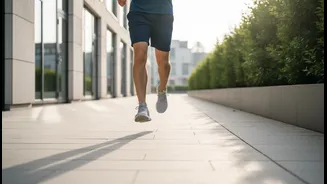
Making the post-dinner walk a regular part of your routine is easier than you think. The key is to start small and be consistent. Aim for a 10 to 15-minute walk, beginning shortly after you finish eating. There's no need to power walk; a relaxed, comfortable pace is all you need to reap the benefits. To make it stick, try to link the new habit to your existing routine. As soon as the dinner plates are cleared, put on your walking shoes. You can listen to a podcast, call a friend, or simply enjoy the quiet of the evening. The goal isn't to burn a massive number of calories, but to embrace a simple, sustainable habit that supports your overall health.