


The Sikkim Allure: Safety and Scenery
For any woman travelling alone, safety is the non-negotiable first item on the checklist. This is where Sikkim immediately stands out. Consistently ranked as one of India's safest states, its low crime rate offers a foundational sense of security that
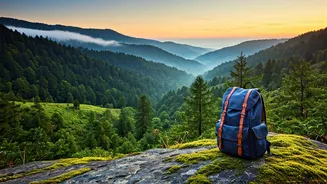
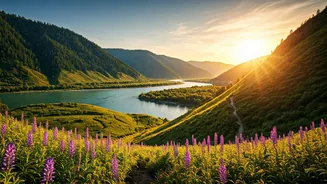
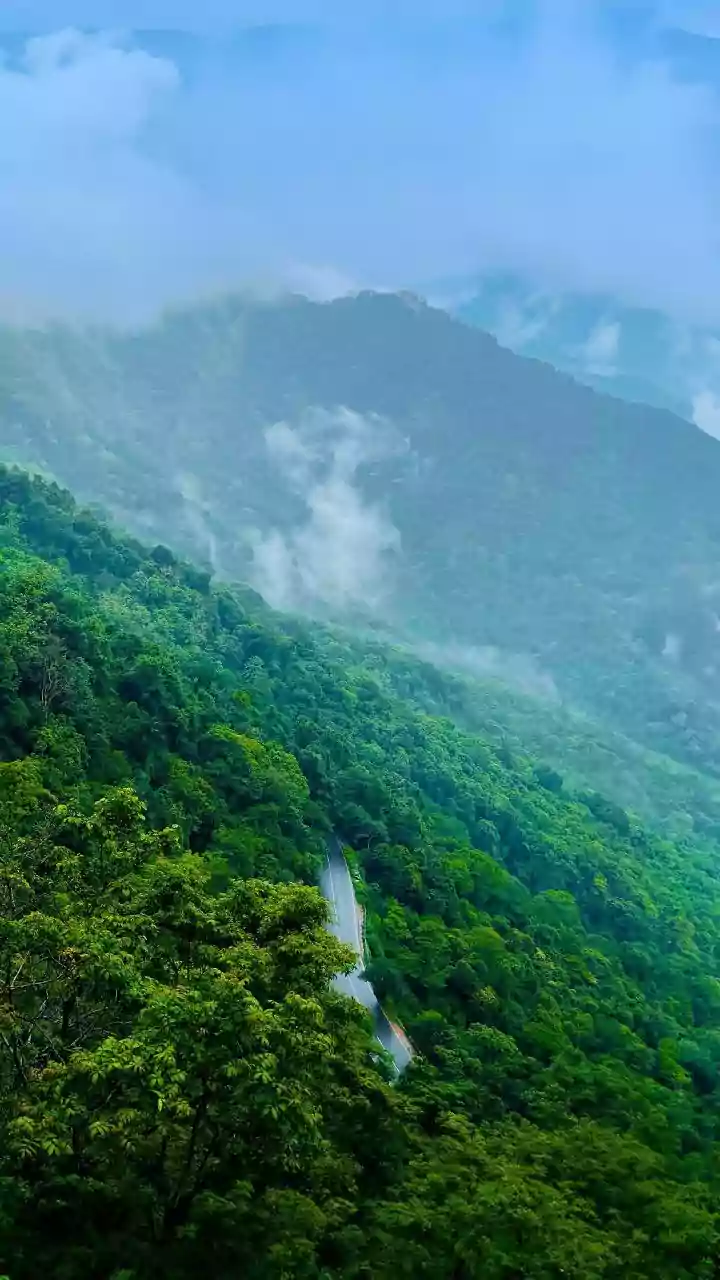
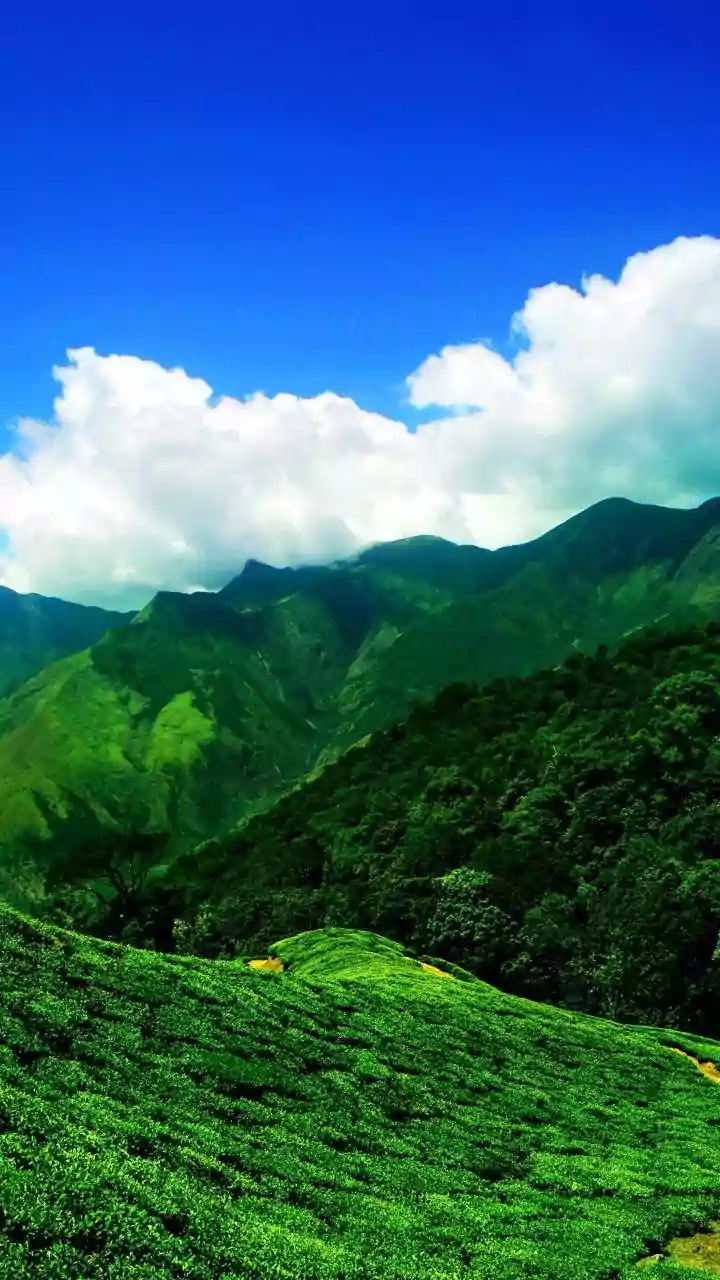
is paramount for solo explorers. This reputation, bolstered by word-of-mouth and countless travelogues, makes it a top contender for women embarking on their first solo trip or seasoned veterans looking for a peaceful retreat. Beyond safety, Sikkim offers a potent mix of natural grandeur and spiritual calm. The landscape is a canvas of extremes: snow-capped Himalayan peaks, including the majestic Kangchenjunga, give way to lush, terraced valleys and rhododendron forests. Its well-established identity as a clean, organic, and environmentally-conscious state adds another layer of appeal. For the traveler weary of chaotic city life, the promise of crisp mountain air, pristine monasteries like Rumtek and Pemayangtse, and serene glacial lakes like Tsomgo and Gurudongmar is an irresistible pull. It’s not just a place to visit; it’s a place to breathe.
Why Homestays Trump Hotels
The choice of accommodation reflects a significant shift in travel philosophy. The anonymous, cookie-cutter experience of a commercial hotel is being traded for something far more personal and immersive: the homestay. In Sikkim, where the local culture is rich and hospitality is deeply ingrained, homestays are the gateway to an authentic experience. Choosing a homestay is choosing connection over convenience. It’s about waking up to the smell of freshly cooked local breakfast, sharing stories with the host family over a cup of chai, and getting insider tips on hidden trails or the best time to visit a local market. These accommodations, often run by families, provide a built-in support system and a sense of belonging that is invaluable for a solo traveler. They offer a safe, warm environment that feels less like a commercial transaction and more like being welcomed into a home. This desire for authenticity—for tasting home-cooked Sikkimese cuisine, learning about local traditions firsthand, and contributing directly to the local economy—is a driving force behind this trend.
Pinterest: The Digital Vision Board
This is where the headline finds its heart. Pinterest has evolved from a platform for DIY crafts and recipes into a powerful travel planning tool, especially for a visual and experiential destination like Sikkim. For solo female travelers, a Pinterest board is more than just a collection of pretty pictures; it is a multi-functional planning hub. It begins as a vision board. Pinners collect images that define their ideal trip: a sun-drenched room with a mountain view, a colourful prayer flag fluttering in the wind, a plate of steaming momos. This visual curation helps solidify the ‘why’ of the trip. But it quickly becomes practical. Pins of homestays often link directly to blog reviews, booking sites, or Instagram accounts, allowing for a deeper dive into vetting the property. Travelers create sections for ‘Packing Lists for Sikkim’, ‘North Sikkim Itinerary’, ‘Sikkimese Food to Try’, and ‘Photo Ideas’. It’s a space to organise inspiration, logistics, and safety checks all in one visual, easily accessible format. The board becomes a living document, a curated guide built by and for the traveler.
A New Kind of Word-of-Mouth
The phenomenon of creating these detailed boards speaks to a larger trend in community-driven travel. A public Pinterest board is a form of digital word-of-mouth, a visual recommendation that carries immense weight. When a solo female traveler sees another’s curated board filled with specific, well-researched homestays in villages like Yuksom or Lachung, it builds trust and confidence. It’s a silent, asynchronous sharing of knowledge within a community that understands the unique considerations of traveling alone. These boards act as proof of concept. They demonstrate that a safe, beautiful, and authentic solo trip to Sikkim is not just possible, but is being actively and joyfully planned by others. This shared visual language helps demystify the process, reducing anxiety and replacing it with excitement and empowerment. It transforms the solitary act of planning into a communal experience, drawing on the collective wisdom and aesthetic sensibilities of a global network of female travelers.