







The Hidden Danger in a Spoonful of Water
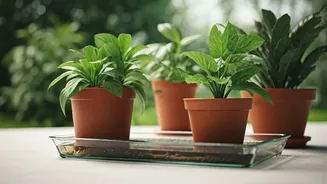
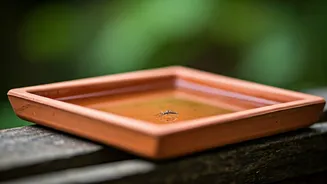
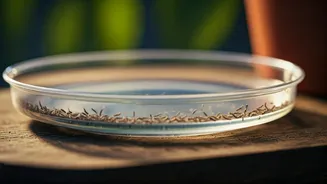
It’s hard to believe, but the small amount of water that collects in a plant pot saucer is an ideal breeding ground for the Aedes aegypti mosquito. This is the very species responsible for transmitting dangerous diseases like dengue and chikungunya. Female
mosquitoes can lay hundreds of eggs in a water-filled bottle cap, and the entire life cycle from egg to biting adult can take as little as seven to ten days. The eggs are incredibly resilient, sticking to the sides of containers and surviving for months even when dry, waiting for the next rain or watering session to hatch. This makes the seemingly harmless pot tray one of the most common and overlooked mosquito breeding sites right inside and around our homes.
Why This Matters: Dengue and the Monsoon
The monsoon season in India, while offering relief from the heat, is also peak season for mosquito-borne illnesses. Dengue fever, in particular, sees a surge in urban areas during this time. Symptoms often start with a high fever, severe headache, and pain behind the eyes, but can progress to a more serious condition. India carries a significant global burden of dengue cases. The Aedes mosquito is a daytime biter, increasing the risk of infection at home. By allowing water to collect in our plant trays, we are inadvertently creating hotspots for these disease vectors, contributing to a major public health challenge that affects thousands every year.
Simple Steps for a Mosquito-Free Garden
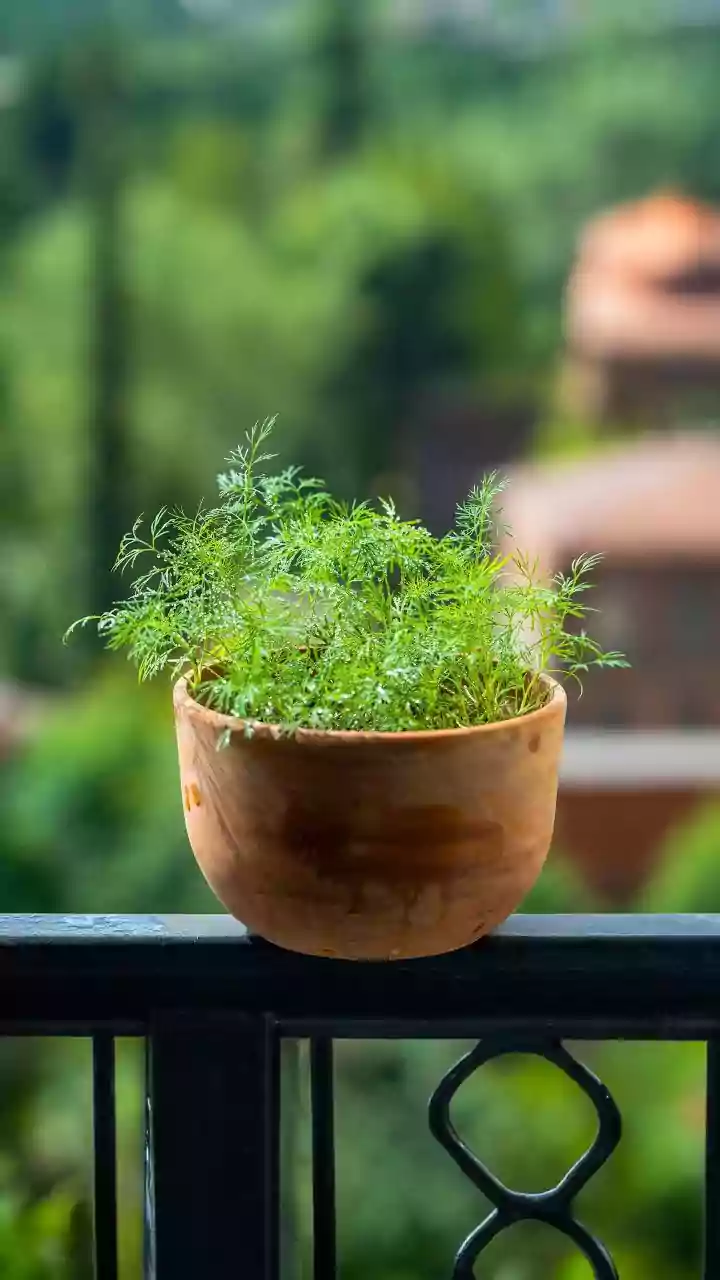
The good news is that preventing your pot trays from becoming a problem is simple and requires just a few minutes of your time each week. The key is to break the mosquito life cycle by not allowing water to stand for more than a few days. Here are the most effective methods: 1. Empty and Dry: The simplest habit is to empty the saucers completely at least once a week. After watering your plants and letting the excess drain, tip the water out. Wiping the saucer dry helps remove any eggs that may have been laid on the sides. 2. Fill with Sand or Gravel: A very effective trick is to fill the plant saucers with sand or fine gravel. This allows excess water to drain from the pot and collect in the sand, but it eliminates the standing water surface that mosquitoes need to lay their eggs. 3. Use Pot Feet: Consider placing your pots on small 'feet' or trivets. This elevates the pot, allowing water to drain and air to circulate underneath, which helps the area dry out faster. 4. Store Unused Pots Properly: Don't leave empty pots and saucers lying around the garden or balcony where they can collect rainwater. Store them upside down or indoors to keep them dry.
A Home-Wide Prevention Strategy
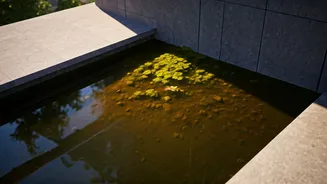
While pot trays are a major culprit, Aedes mosquitoes will breed in any stagnant water. Once you've secured your plants, extend your prevention check to the rest of your home and surroundings. Regularly inspect and clear water from: Air cooler trays and refrigerator drip pans Buckets, discarded tyres, and trash cans Clogged roof gutters and drains Birdbaths (change the water weekly) * Ornamental fountains and water features Turning this into a weekly 10-minute routine can drastically reduce the number of mosquitoes in and around your home, protecting your family and your neighbours. Mosquito control is a shared responsibility, and every household's effort contributes to community-wide safety.