



First, What Are Ceramides?
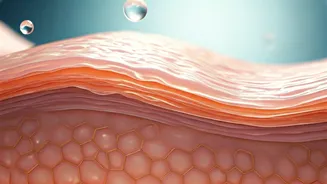
Think of ceramides not as a fancy, lab-created chemical, but as a natural part of your skin. They are lipids, or fat molecules, that make up about 50% of your skin's outer layer (the epidermis). Imagine your skin cells are like bricks. Ceramides are the mortar
holding those bricks together, forming a protective barrier that keeps good things in (like moisture) and bad things out (like pollution and irritants). They are fundamental to how your skin functions, feels, and looks. Without them, your skin’s structure becomes weak and compromised, leading to a host of problems we often mistakenly blame on other factors.
Your Skin's Protective Shield
The primary job of ceramides is to maintain the integrity of your skin barrier. A healthy barrier is crucial for two main reasons. First, it prevents transepidermal water loss (TEWL), which is a scientific way of saying it stops moisture from evaporating out of your skin. This is key to keeping skin hydrated, plump, and supple. Second, it acts as a shield against environmental aggressors. Think of it as your personal security guard, deflecting potential irritants like dust, bacteria, and allergens that can cause inflammation, redness, and sensitivity. When your ceramide levels are optimal, your skin feels comfortable, calm, and resilient. It’s less likely to react to new products or changes in the weather, appearing smooth and healthy.
What Happens When Ceramide Levels Drop?
Our natural ceramide production isn’t constant. It declines with age, starting as early as our 20s. Other factors can also deplete them, such as sun exposure, harsh weather (like dry winter air or intense summer heat), and over-exfoliating with strong acids or scrubs. When ceramide levels drop, that 'mortar' between your skin cells begins to crumble. This creates tiny, invisible cracks in your skin barrier. The result? Your skin can no longer hold onto moisture effectively, leading to dryness, flakiness, and a tight, uncomfortable feeling. It also becomes more vulnerable to external irritants, which can trigger conditions like eczema, rosacea, and general sensitivity. That sudden redness, itchiness, or burning sensation could very well be a sign of a compromised, ceramide-deficient barrier.
How Ceramide Products Help
This is where the hype becomes reality. Unlike some ingredients that just sit on the surface, well-formulated ceramide products can help replenish your skin’s natural lipid content. They are considered 'skin-identical' ingredients, meaning your skin recognizes them and can put them to good use. By applying them topically in moisturisers, serums, or cleansers, you are essentially patching up the holes in your skin barrier. This helps to restore its function, locking in moisture and reinforcing its protective capabilities. The benefits are often noticeable: skin feels softer and more hydrated, redness and irritation are reduced, and the overall texture appears smoother. It’s less about a temporary 'glow' and more about building a foundation for long-term skin health.
Choosing and Using Them Correctly
Not all ceramide products are created equal, but finding a good one isn’t difficult. Look for ingredients listed as 'Ceramide NP,' 'Ceramide AP,' or 'Ceramide EOP' on the label. Many of the best formulas also contain other barrier-supporting ingredients like cholesterol and fatty acids, as these work in synergy with ceramides to mimic the skin's natural composition. You can find ceramides in all kinds of products, but they are most effective in leave-on treatments like moisturisers and serums. They are gentle enough for all skin types, including oily and acne-prone skin (which can also have a damaged barrier), but they are particularly beneficial for anyone with dry, sensitive, or mature skin.