

Find and Declutter Your Space
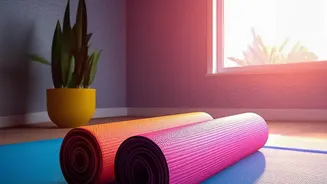
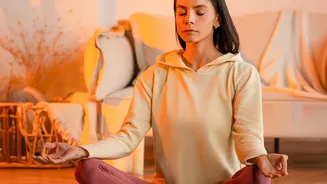
Before you can flow, you need a place to go. You don’t need an entire room; a quiet, low-traffic corner is perfect. Look for a spot that is large enough for a yoga mat (or a towel) with enough room to stretch your arms and legs out fully. A space near
a window for natural light is a bonus. The most crucial step is to declutter. A tidy environment helps create a calm mind, free from distractions. Clear away laundry piles, work papers, and anything else that might pull your focus. This simple act of clearing a space signals to your brain that it’s time to switch off and be present.
The Foundation: No Mat, No Problem
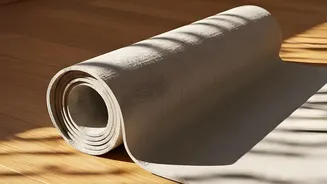
A 'sticky mat' is often seen as the one non-negotiable piece of yoga equipment, but for centuries, yogis practiced without them. While a dedicated mat provides ideal grip and cushion, several household alternatives work well. A large beach towel is a common and effective substitute, offering a soft surface that's easy to clean. For more stability, place it on a non-slip surface like a carpet or rug. A low-pile carpet or a sturdy woven rug can also provide enough friction and padding for your practice. If you're on a hard floor, you can still practice, but keep a folded towel or small blanket nearby to cushion your knees and wrists in certain poses.
DIY Blocks for Support and Depth
Yoga blocks help 'bring the floor closer to you', making poses more accessible and ensuring proper alignment. You don’t need to buy expensive cork or foam blocks to get this benefit. A sturdy stack of books, like thick hardcovers, is the most popular substitute. To keep them from sliding or opening, secure the stack with a belt, rubber bands, or tape. You can also use tightly rolled bath towels, secured with rubber bands to create a firm, block-like shape. These props are perfect for supporting your hands in standing poses, lifting your hips in seated postures, or adding a challenge to balancing exercises.
Makeshift Bolsters and Cushions
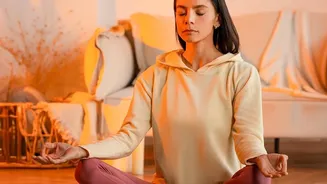
Bolsters are firm pillows used to support the body in restorative poses, allowing for deep relaxation and release. Creating your own is surprisingly simple. Tightly roll a couple of firm blankets or several bath towels together to create a dense, supportive cylinder. You can use a belt or scarf to hold the roll together. Firm sofa cushions or stacked bed pillows can also serve the same purpose, providing support under your knees in Savasana (Corpse Pose) or lifting your seat for meditation. The key is to find something that is resilient and won't completely flatten under your weight.
Straps from Scarves and Belts
A yoga strap is a fantastic tool for deepening stretches, especially for tight hamstrings and shoulders. Instead of a dedicated strap, you can easily use a common household item. A bathrobe tie, a long scarf, a necktie, or a simple belt from your wardrobe will work perfectly. These items can help you extend your reach in poses like Paschimottanasana (Seated Forward Bend) or assist in binding your hands in Gomukhasana (Cow Face Pose). The goal is to find something long and non-stretchy that allows you to gently increase your flexibility without straining.
Setting a Peaceful Atmosphere
Creating a studio-like ambiance is less about what you have and more about the mood you set. Dim the lights or use a soft lamp instead of harsh overhead lighting. If you have them, a few candles can create a warm, focused environment. Sound can also transform your space; play some calming instrumental music, nature sounds, or simply enjoy the silence. Scent is a powerful tool for relaxation. While you can use essential oil diffusers, simply adding a few houseplants can help purify the air and bring a sense of natural calm to your corner. The goal is to engage your senses in a way that signals it's time to unwind.