





The Streaming Gold Rush
The rise of Over-The-Top (OTT) platforms like Netflix, Amazon Prime Video, and Disney+ Hotstar was already underway, but the global pandemic accelerated this trend into a full-blown industry revolution. With cinemas shuttered, producers holding finished
films were faced with mounting financial pressure. Streaming services offered an immediate, financially secure alternative: a direct-to-digital premiere. This move, initially a stopgap, has now become a strategic choice for many. For platforms, acquiring exclusive movie rights is a powerful tool to attract and retain subscribers in India's hyper-competitive market. For producers, it de-risks the project by guaranteeing a return on investment, eliminating the vagaries of box office performance and the high costs of theatrical marketing.
New Freedoms, New Stories
Perhaps the most significant impact of the OTT boom is on storytelling itself. Freed from the pressure of securing a massive opening weekend and catering to a broad theatrical audience, filmmakers have found new creative liberties. This has led to a surge in niche genres, complex narratives, and character-driven dramas that might have been considered too risky for a traditional release. OTT platforms support long-form storytelling through multi-season series, allowing for deeper character development and narrative experimentation. This has democratised the industry, providing a platform for new writers, directors, and actors to showcase their talent without needing a major studio or a big star's backing. Regional cinema, in particular, has found a global stage, with films in Tamil, Telugu, and Malayalam reaching pan-Indian and international audiences overnight.
The Threatened Big Screen
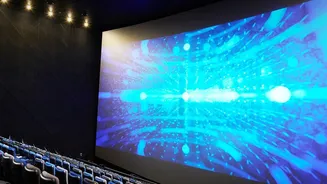
However, this digital migration has created an existential crisis for the theatrical exhibition industry. Cinema owners argue that by skipping theatres, producers are breaking an age-old, mutually beneficial partnership. The four-week window between a theatrical and digital release has shrunk, and in some cases, disappeared entirely. Exhibitors across South India have even proposed a mandatory eight-week gap to protect their business, arguing that audiences are now content to wait a few weeks to watch new films at home. This trend disproportionately affects mid-budget films, which rely on word-of-mouth to build a theatrical run but now get squeezed between big-screen blockbusters and the convenience of streaming. The very culture of community movie-watching is at stake, along with the thousands of livelihoods that depend on it.
A Hybrid Future of Coexistence
The future of Indian cinema is unlikely to be an either/or scenario. Instead, a hybrid model is emerging where the platform fits the film. Massive, spectacle-driven event movies that demand a big-screen experience will continue to prioritise theatrical runs to maximise box office revenue. These are the films audiences are still willing to leave their homes for. Meanwhile, smaller, content-driven dramas, documentaries, and experimental films may find a more natural and profitable home on streaming platforms. Some producers may even experiment with simultaneous releases. The key is that audience behaviour has fundamentally changed; viewers have become more selective about the theatrical experience, while embracing OTT for daily entertainment. The onus is now on filmmakers to create content so compelling that it justifies the price of a movie ticket, restoring the cinema's place as a premium, can't-miss destination.