



Nature's Light Pollution
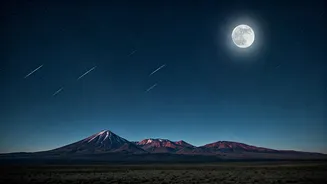
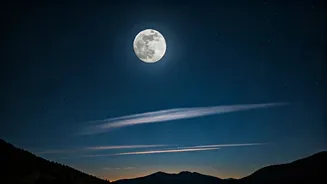
We all know that escaping city light pollution is the first rule of stargazing. But the moon, especially when it’s full or gibbous, acts as a giant, natural source of light pollution. Its bright glow illuminates the atmosphere, creating a pale canvas
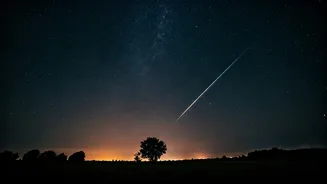
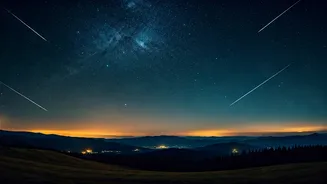
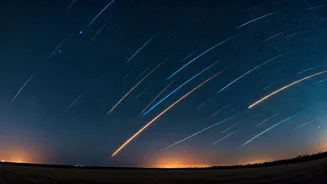
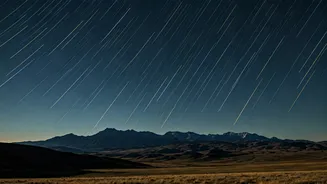
that washes out fainter objects. Meteors, especially the smaller and more common ones, are simply too dim to be seen against a moonlit sky. While a bright moon won't completely ruin a shower, as it can't hide the brightest fireballs, it significantly reduces the number of meteors you're likely to count. The difference can be dramatic, turning a potential downpour of dozens of meteors per hour into a mere trickle.
An Unlucky Draw in Late July
This becomes particularly relevant for upcoming summer showers. The Southern Delta Aquariids, active from mid-July to late August, are set to peak around July 30-31, 2026. Unfortunately, this coincides with a nearly full moon, which rises on July 29. This means the sky will be exceptionally bright during the peak nights, severely compromising the view for this shower, which is already known for its fainter meteors. The Alpha Capricornids, which also peak at the same time and are famous for bright fireballs, will similarly be hampered by the lunar glare.
Hope on the August Horizon
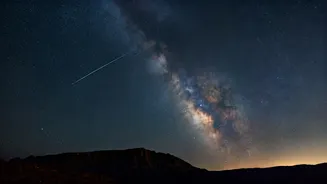
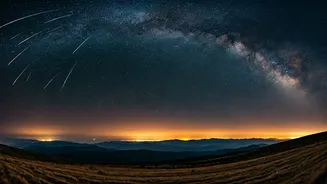
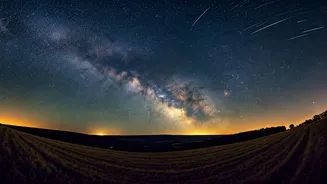
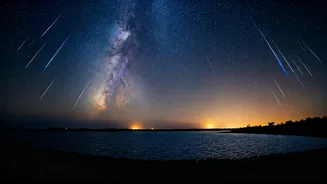
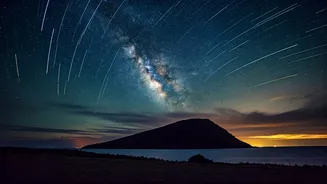
It’s not all bad news for skywatchers. The most famous shower of the year, the Perseids, peaks on the night of August 12-13, 2026. In a stroke of cosmic luck, this peak aligns perfectly with a new moon, promising ideal, dark-sky conditions. This means the 2026 Perseids could be a spectacular show, with rates potentially reaching up to 100 meteors per hour in a truly dark location. The main challenge for many in India will be the monsoon season, which often brings cloud cover in August. However, for those in drier regions like Ladakh, Spiti Valley, or western Rajasthan, the view could be breathtaking.
How to Watch in a Bright Sky
If you find yourself trying to watch a shower during a bright moon phase, don't give up entirely. You can improve your chances by being strategic. First, find a location where you can physically block the moon from your line of sight. Sit in the shadow of a building, a hill, or a dense patch of trees. This simple trick can make a surprising difference by letting your eyes adapt better to the ambient darkness. Another key tip is to look away from the part of the sky where the moon is. Focus your gaze on the darkest patch of sky you can find; meteors can appear anywhere. Finally, be patient. Give your eyes at least 20-30 minutes to fully adapt to the dark, and avoid looking at your phone.