



Why Smart Modifications Matter
Exercise is crucial for strengthening the muscles that support our joints, improving circulation, and maintaining mobility. However, pain during exercise is often a sign that a movement is putting too much stress on a joint, either due to high impact,
improper form, or excessive repetition. Ignoring this pain can lead to injury. The goal is to find a way to get the benefits of an exercise without the strain. By learning a few simple principles of modification, you can adapt your routine to work for your body, ensuring your workouts are both effective and comfortable. Listening to your body is the first and most important step.
Swap High Impact for Low Impact
One of the easiest ways to protect your joints is to reduce impact. High-impact exercises, where both feet leave the ground, can be jarring for knees, hips, and ankles. Fortunately, there are many effective low-impact alternatives. For example, instead of running or doing jumping jacks, consider brisk walking, cycling on a stationary bike, or using an elliptical machine. Water-based exercises like swimming or water aerobics are also excellent choices, as the buoyancy of the water supports your body weight, taking nearly all the pressure off your joints while still providing a great cardiovascular and strength-building workout.
Adjust Your Range of Motion
You don't always have to perform an exercise through its fullest possible range to see benefits. In fact, limiting the range of motion can be a key modification for comfort. For exercises like squats and lunges, going too deep can sometimes increase pressure on the knees. Instead of aiming for a 90-degree bend, try lowering only as far as you can without pain. This might mean performing a 'mini-squat' or a shallower lunge. You will still be engaging and strengthening your glutes and quads. The same principle applies to upper body movements; for push-ups, you can reduce the strain by performing them on your knees or against a wall.
Mastering the Lunge
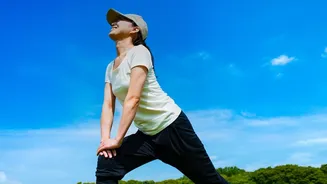
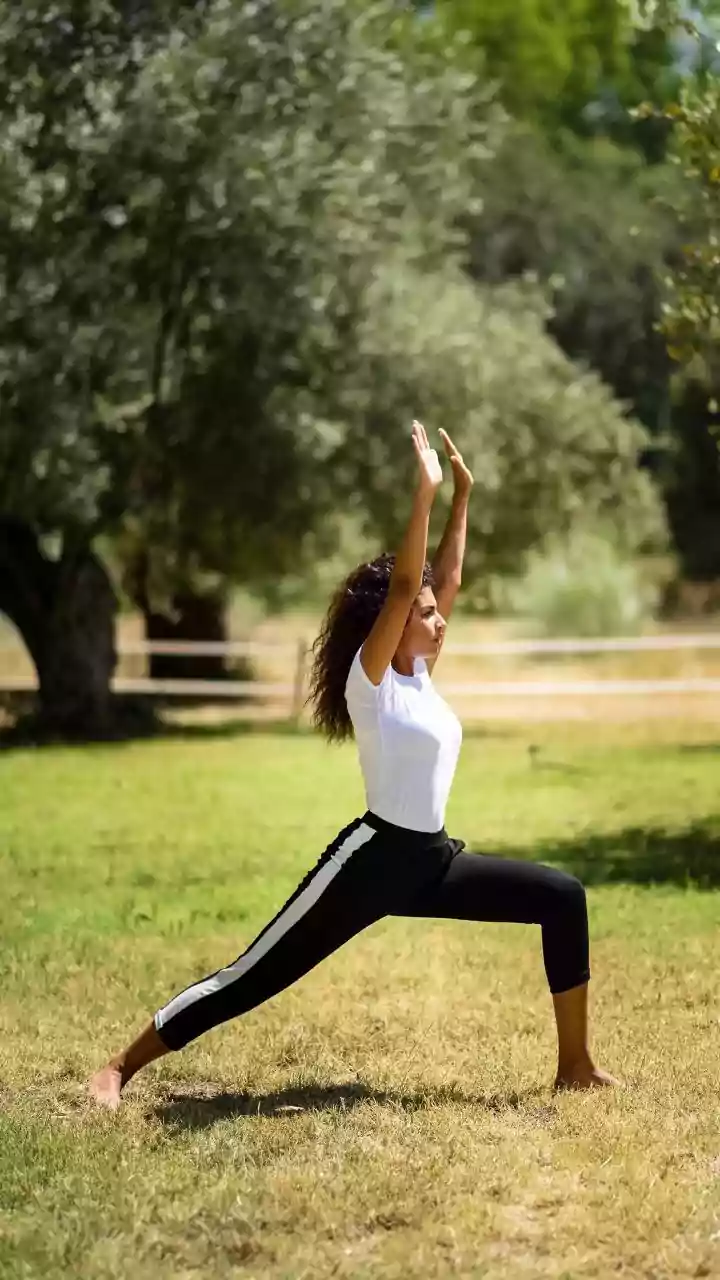
Lunges are fantastic for building lower-body strength and stability, but they are a common source of knee pain. Instead of the traditional forward lunge, try a reverse lunge by stepping backward. This variation tends to place more emphasis on the hips and glutes, taking some of the load off the front knee. Another great alternative is the split squat, where you start with your feet already in a staggered stance and simply lower and lift your body. This removes the stepping motion, which can improve balance and control. In all variations, focus on keeping your front knee aligned over your foot and not letting it drift inward.
Smarter Squats for Happier Knees
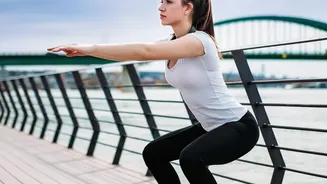
Like lunges, squats are a foundational movement that can be easily modified. If you experience knee pain, check your form first. Ensure you are pushing your hips back as if sitting in a chair, keeping your chest up and your weight in your heels. For added support, you can perform wall squats, where your back slides along a wall as you lower yourself. To strengthen the muscles that stabilize the knee, focus on exercises like glute bridges, which strengthen your hips and take pressure off the knees. Remember, a squat should be a hip-dominant movement, not a knee-dominant one.
Protecting Your Shoulders and Wrists
Upper body exercises can also be modified. For push-ups, if your wrists hurt, try using push-up bars or a pair of dumbbells to keep your wrists in a neutral, straight position. Performing push-ups on your fists can also work. For shoulder pain during overhead presses, consider using a neutral grip (palms facing each other) or reducing the weight and focusing on controlled movement. Strengthening the supporting muscles in your upper back with exercises like resistance band rows can also improve shoulder stability and posture, which helps protect the joint.