




October's Main Event: Saturn Takes Centre Stage
This month offers a spectacular celestial treat for everyone. The star of the show is Saturn, which reaches 'opposition' on October 4th. This is when Earth passes directly between the Sun and Saturn, making the ringed planet appear at its brightest and largest
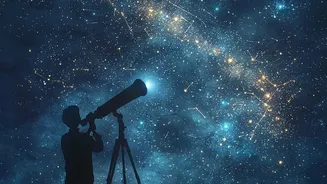
for the year. It will be visible all night long, rising in the east around sunset and setting in the west at sunrise. While you'll need a telescope to see its famous rings, Saturn will be easily visible to the naked eye as a bright, steady, yellowish point of light. In the mornings, you can spot the bright planets Jupiter and Mars before sunrise. Mars, in particular, will be close to the Beehive star cluster, offering a beautiful sight on the morning of October 11th.
Catch a Falling Star: The Orionid Meteor Shower
October also brings one of the year's most reliable meteor showers: the Orionids. These meteors are actually tiny dust particles left behind by the famous Halley's Comet. The shower is active for much of the month but is expected to peak on the night of October 21-22. On this night, you could see up to 15-20 meteors per hour in a dark sky. For the best view, find a dark spot away from city lights and look up after midnight. The moon will be bright in the evening but will set a few hours before dawn, leaving the sky dark for the best viewing window in the early morning.
Your Digital Guide to the Cosmos
The easiest way to start navigating the night sky is with a smartphone app. These apps use your phone's location and sensors to show you exactly what you're looking at when you point it at the sky. For beginners, a few apps stand out for their user-friendly design. Star Walk 2 and SkyView Lite are excellent free options that use augmented reality to overlay constellation names and planet labels onto your view. Stellarium Mobile is another fantastic free choice known for its realistic depiction of the sky. These apps remove the guesswork, helping you identify planets like Saturn and trace constellations without needing to memorise complex star charts first.
Escape the City Glow: Finding a Dark Sky
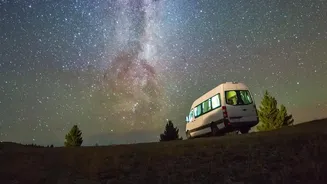
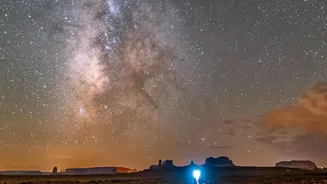
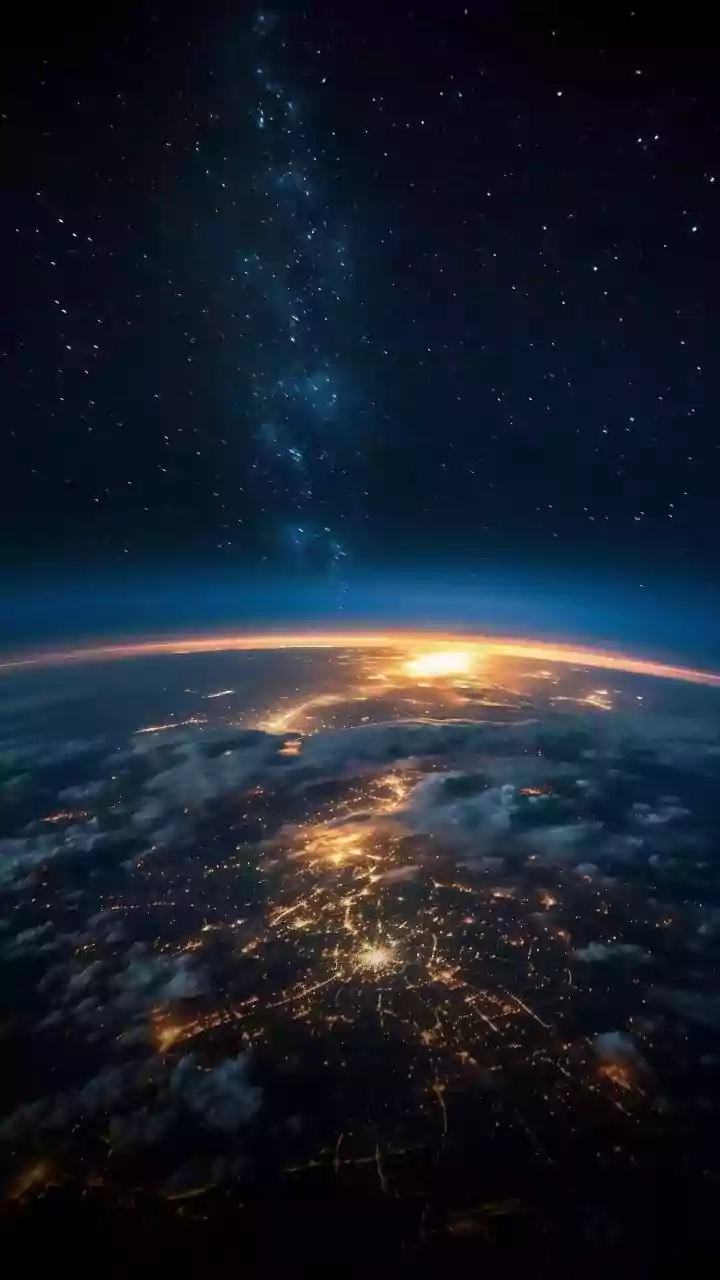
The single biggest obstacle to good stargazing is light pollution from cities. To truly see the stars and the Milky Way, you need to find a 'dark sky' location. This doesn't necessarily mean a trip to the Himalayas, though places like Hanle in Ladakh and Spiti Valley offer some of the darkest skies in the world. For most people, a good viewing spot can be found just an hour or two's drive away from the city limits. Look for national parks, wildlife sanctuaries, or even remote agricultural areas. Pench National Park was recently declared a Dark Sky Park, joining Hanle as an officially recognised spot for astronomy. Websites like Light Pollution Map can help you find darker zones near your home. The key is to find a spot with an open view of the sky, far from the glare of streetlights and buildings.
What to Bring: Comfort is Key
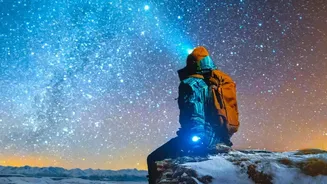
You don't need much gear to start. Besides your phone with a stargazing app, the most important items are for comfort. Bring a blanket or a comfortable chair to lie back on. October nights can get chilly, especially at higher elevations or in open country, so dress in warm layers. Allow your eyes about 20-30 minutes to fully adjust to the darkness; avoid looking at your bright phone screen during this time. If you need a light, use a torch with a red filter, as red light is less disruptive to your night vision. With these simple preparations, you're ready to explore the universe from your own patch of Earth.