





Decode Your Balcony's Light
The single most important factor for a healthy balcony garden is understanding your light. Before buying a single plant, observe your balcony throughout the day. Does it get harsh, direct sun for more than six hours? That’s ‘full sun’. Is it sunny for only
three to six hours, perhaps in the morning or late afternoon? That’s ‘partial sun’ or ‘partial shade’. Many urban balconies, especially those facing north or blocked by other buildings, might only get indirect light all day. Assessing this honestly is the first step. A plant that needs full sun will not flower in the shade, and a shade-loving plant will scorch in the harsh afternoon glare. Note which direction your balcony faces—a west-facing balcony, for example, often gets intense afternoon sun that can be brutal for many plants, especially during Indian summers.
Master the Art of Watering
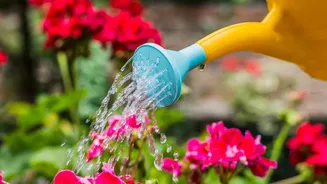
Watering container plants is different from watering a garden bed. Pots dry out much faster due to sun and wind exposure. The golden rule is to check the soil first. Stick your finger about an inch or two into the soil; if it feels dry, it’s time to water. When you do water, do it thoroughly. Pour water slowly at the base of the plant until it runs out of the drainage holes at the bottom. This encourages deep, strong root growth. Shallow, frequent sprinkles only wet the top layer of soil, leading to weak roots. The best time to water is in the morning, which allows the plant to hydrate before the heat of the day and lets wet leaves dry, preventing fungal diseases. In peak summer, you might need to water daily, or even twice daily for smaller pots.
Choose the Right Plants
Once you know your light conditions, you can choose plants that will actually thrive. For sunny, hot balconies, hardy options like Bougainvillea, Hibiscus, Marigold, and Tulsi (Holy Basil) are excellent choices in the Indian climate. They love the sun and can handle the heat, provided they are watered correctly. For balconies with partial or indirect light, consider Money Plant (Pothos), Snake Plant, Aloe Vera, and Areca Palm. These plants are more tolerant of lower light conditions and are famously low-maintenance, making them perfect for beginners. Don't overcrowd your balcony; start with a few plants and see how they adapt before adding more.
Potting and Soil Are Key
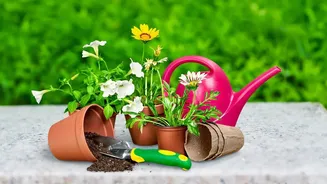
Your plants' home is just as important as light and water. Always use pots with drainage holes. Without proper drainage, water will pool at the bottom, leading to root rot, which is a common cause of plant death. The size of the pot matters, too. A pot that’s too small will restrict root growth and dry out very quickly. It's better to choose a slightly larger container. Instead of using heavy garden soil, opt for a quality potting mix. These mixes are lighter, provide better aeration for the roots, and are designed to retain moisture while still allowing for good drainage. This gives your plants the best possible start in their container environment.
Don't Forget to Feed Your Plants
Plants in containers have limited access to nutrients. Every time you water, some nutrients are flushed out of the soil. This means you'll need to fertilize them periodically to keep them healthy and encourage growth and flowering. A general-purpose liquid fertilizer, used according to the package directions, is a great option for most balcony plants. During the growing season (spring and summer), you might need to feed them every few weeks. In winter, when plant growth slows, you can reduce the frequency. This regular feeding replenishes the soil and provides the energy your plants need to produce lush leaves and beautiful blooms.