




The Gentle Power of Lactic Acid
The magic of a curd or dahi-based marinade lies in its science. Curd contains lactic acid, a mild acid that works wonders on proteins. Unlike harsher acidic tenderisers like vinegar or citrus juice, which can quickly make the outer layer of meat tough
or mushy, lactic acid works gently. It slowly breaks down the tough connective tissues in meat and paneer, resulting in a uniformly tender and juicy texture without compromising the ingredient's integrity. This slow and steady action is why you can marinate chicken in curd for several hours, or even overnight, to achieve a perfectly succulent result.
A Perfect Carrier for Spice
Beyond tenderising, curd is an exceptional vehicle for flavour. Its thick, creamy consistency allows it to cling to the surface of chicken, mutton, fish, or vegetables in a way that thin, watery marinades simply cannot. This ensures that the entire surface is evenly coated with spices like turmeric, red chilli powder, and garam masala. The fat present in full-fat curd is particularly effective at dissolving and carrying the essential oils from these spices, helping them penetrate deeper into the protein. As the dish cooks, the curd and spice mixture forms a delicious, caramelised crust that seals in moisture and provides a signature charred flavour, especially in a tandoor or on a grill.
Not All Curd is Created Equal
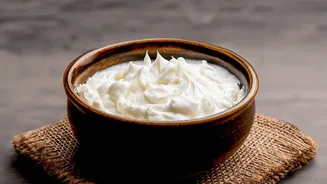
For the best results, the type of curd you use matters immensely. The ideal choice for a marinade is thick, full-fat curd, often called hung curd or 'chakka'. Using thin, watery curd will result in a runny marinade that slides right off. To make hung curd at home, simply place regular dahi in a muslin or cheesecloth set over a strainer and let the excess liquid, or whey, drip out for a few hours. The longer you let it hang, the thicker the resulting curd will be. While store-bought Greek yogurt can be a substitute, traditional hung curd made at home often has a more desirable, less sour taste for Indian preparations.
Classic Dishes and Inspiration
The use of curd marinades is central to a vast array of beloved Indian dishes. It’s the foundation for most tandoori preparations, including Tandoori Chicken, Paneer Tikka, and Fish Tikka. It’s also used for various kebabs and in rich, creamy curries like Butter Chicken and Chicken Korma, where the marinated chicken is first grilled and then added to the gravy. This technique isn't limited to non-vegetarian dishes; it works beautifully with vegetables too. Chunks of paneer, cauliflower florets, mushrooms, and bell peppers all benefit from a spiced curd marinade before being grilled or roasted, absorbing the flavours and becoming wonderfully tender.
Tips for Marinade Mastery
To get the most out of your curd marinade, keep a few key tips in mind. Always use a non-reactive bowl, like glass or ceramic, as the acid in the curd can react with metals such as aluminium or copper. For best flavour penetration, allow proteins to marinate for at least a few hours; tougher cuts of meat like mutton can benefit from an overnight soak. Before cooking, allow the marinated item to sit at room temperature for about 30 minutes to ensure it cooks more evenly. Finally, don't discard the marinade clinging to the protein; this coating is packed with flavour and is essential for creating that delicious crust during cooking.