







Understanding the Core Costs
A vegetarian diet in India is built on a foundation of affordable staples. Your monthly grocery bill will primarily consist of grains, pulses (dals), vegetables, spices, and dairy. According to recent data, food prices have been rising, with essentials
like tur dal averaging around ₹129-145 per kg, chana dal at ₹91 per kg, and rice at about ₹47 per kg. Onion prices have seen a significant surge, reaching approximately ₹53 per kg. Understanding these base costs is the first step to building a realistic budget. A single home-cooked vegetarian thali was estimated to cost about ₹30.8 in September 2026, which serves as a useful per-meal benchmark.
A Sample Monthly Budget
For a single person, a monthly vegetarian food budget can range from ₹4,000 to ₹8,000, depending on your lifestyle, city, and cooking habits. Here’s a possible breakdown: Budget-Friendly (₹4,000 - ₹5,000 per month): This involves careful planning, cooking all meals at home, and relying heavily on seasonal vegetables and basic dals. Your shopping is focused on local markets rather than supermarkets. You'd buy staples like rice, atta, and dals in larger quantities to save money. Moderate (₹5,500 - ₹6,500 per month): This budget allows for more variety, including more frequent use of paneer, a wider range of vegetables and fruits, and perhaps some organic staples. It can accommodate occasional purchases of items like quinoa or brown rice. * Comfortable (₹7,000 - ₹8,000+ per month): This allows for premium ingredients, frequent paneer or tofu dishes, buying more organic produce, and the convenience of occasional online grocery orders or a few meals out.
Building Your First Pantry
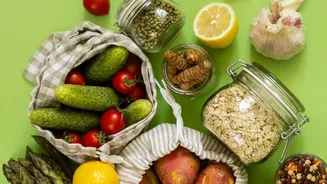
Before you start weekly shopping, you need a basic pantry. This is a one-time setup cost. Your initial investment will be in spices, oils, and dry goods that form the backbone of Indian cooking. Key items include turmeric, cumin seeds, coriander powder, red chilli powder, and garam masala. Also essential are cooking oil (like sunflower or mustard oil), ghee, salt, sugar, and a variety of dals such as toor, moong, and chana dal. While the initial shopping trip might seem expensive, these items will last for several weeks or even months, bringing down your average weekly spend over time.
Smart Shopping Strategies
Where and how you shop makes a huge difference. For fresh produce, local vegetable markets or mandis are often significantly cheaper than supermarkets. Always buy vegetables and fruits that are in season, as they are more affordable and fresher. For dry goods like rice, flour, and lentils, buying in bulk can lead to substantial savings, but only if you have adequate storage space to prevent spoilage. Another effective strategy is meal planning. Creating a weekly meal plan before you go shopping ensures you buy only what you need, which helps to reduce food waste and control impulse purchases.
The Power of Meal Prepping
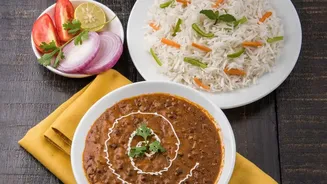
As a new renter, your time is as valuable as your money. Meal prepping can save you both. Dedicate a few hours over the weekend to chop vegetables, boil lentils, or even cook base gravies. This makes assembling meals during a busy week much faster and reduces the temptation to order expensive takeaway. Simple dishes like dal, sabzi, and roti or rice form the core of a balanced and affordable diet. Cooking at home is consistently the most effective way to manage your food expenses. Even preparing staples like sprouts or homemade curd can add nutrition to your meals at a very low cost.