

The Evolution of the Festive Meal
For generations, the soundtrack to Indian festivals was the rhythmic clang of pots and pans in a home kitchen. Celebrations like Diwali, Holi, and Onam were synonymous with families gathering to cook and share elaborate, traditional meals. Today, however,
with changing urban lifestyles, smaller nuclear families, and the sheer convenience of it all, a significant shift is underway. More people are choosing to swap home kitchens for restaurant tables, seeking not just a meal, but a complete festive experience without the hours of preparation and cleanup. This change in consumer behaviour has prompted restaurants to step up, moving beyond standard menus to offer specialized, thematic dining that captures the essence of each festival.
A Festival for Every Palate
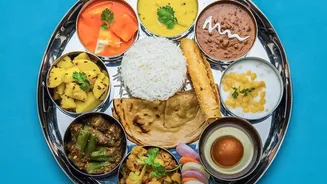
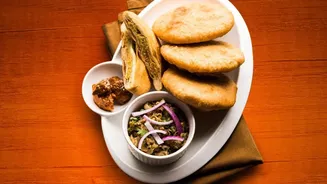
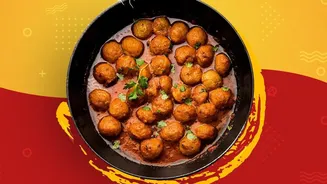
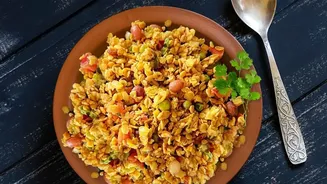
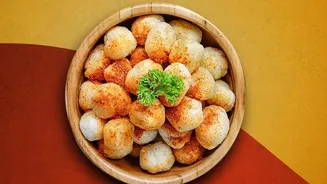
This trend is most visible in the creative menus that pop up across the country. During Navratri, restaurants roll out extensive 'vrat-friendly' or sattvic thalis, crafted without onion or garlic, using ingredients like samak rice and kuttu atta. For Onam, the grand Onasadhya, a feast featuring over 20 vegetarian dishes served on a banana leaf, is no longer confined to Kerala homes. Restaurants in cities like Mumbai, Bengaluru, and Delhi now offer elaborate Sadhya experiences, complete with all the traditional accompaniments like Avial, Olan, and multiple payasams. Similarly, Diwali sees restaurants offering rich, celebratory thalis and special multi-course menus, while Holi is marked by stations serving thandai and colourful chaats.
The Business of Celebration
For the restaurant industry, festive seasons are a significant business opportunity. Crafting special menus is a strategic move to drive sales and attract new customers. During festivals, patrons are often in a celebratory mood and more willing to spend on unique dining experiences. These limited-time offerings create a sense of urgency and exclusivity, encouraging diners to visit. Furthermore, seasonal and festive menus allow chefs to utilize fresh, local produce, which can be more cost-effective. It’s a marketing tool that generates buzz on social media and helps restaurants stand out in a competitive market, building an emotional connection with customers who associate the establishment with their own festive memories.
More Than Just Food: Crafting an Experience
The most successful festive offerings go beyond the plate. Restaurants are curating immersive experiences to replicate the festive atmosphere. This can include themed decor, such as diyas and floral arrangements for Diwali, or the vibrant colours of a pookalam for Onam. Some establishments even feature live traditional music, like Chendamellam performances during Onam, to enhance the cultural ambience. The goal is to create a holistic celebration where the food is the centrepiece, but the entire environment contributes to a memorable occasion. It’s about providing the warmth and spirit of a home celebration, elevated by professional service and culinary expertise.