






Welcome Hardy Houseplants
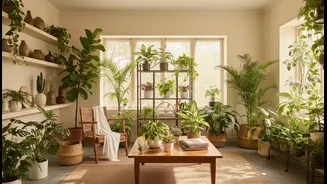
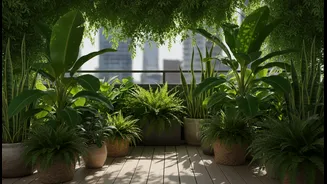
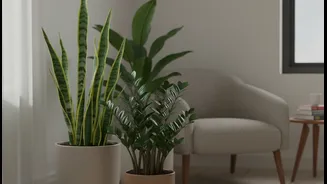
Introducing plants is the most direct way to bring nature indoors. For the Indian climate, especially during the humid monsoon, certain plants thrive with minimal effort. The Snake Plant is a champion of low-maintenance greenery, tolerating low light
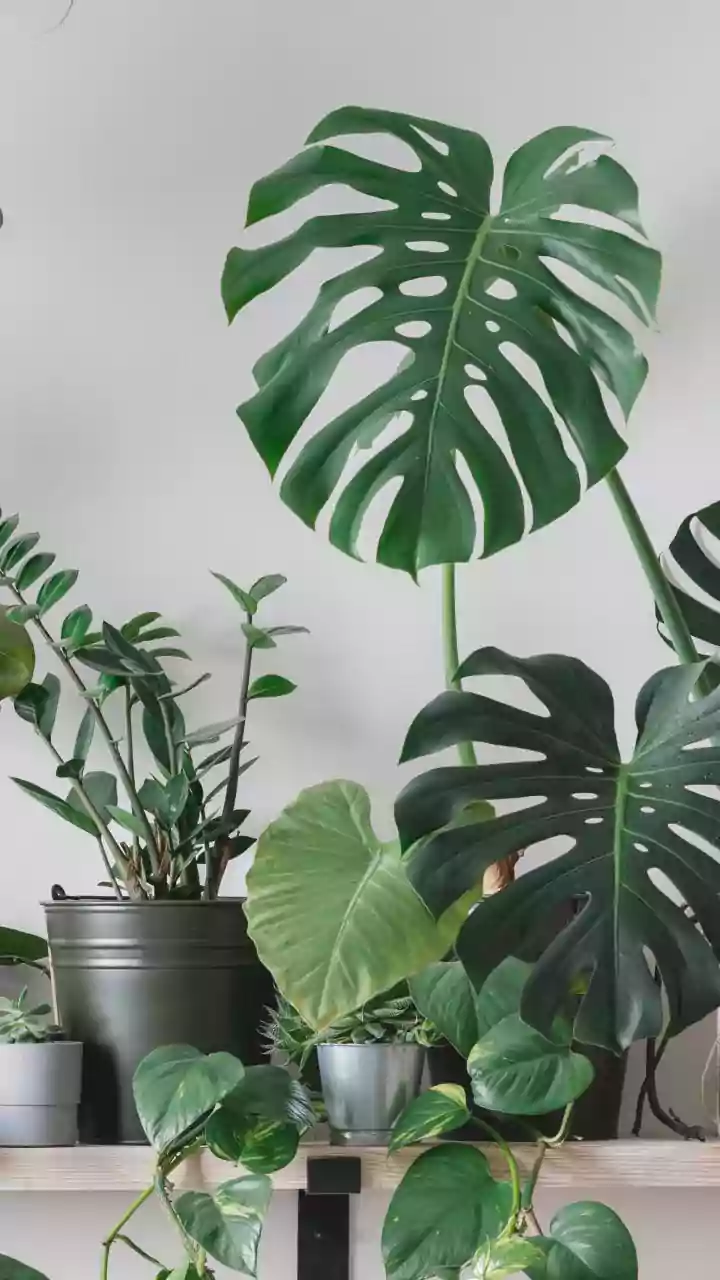
and irregular watering while purifying the air. It even releases oxygen at night, making it an ideal bedroom companion. Similarly, the ZZ Plant, with its waxy, dark green leaves, is nearly indestructible and perfect for shadier corners. The Areca Palm not only adds a lush, tropical feel but also acts as a natural humidifier, which can make a room feel cooler. Other great options include the ever-popular Money Plant (Pothos) and the elegant Peace Lily, both of which are excellent air purifiers and adapt well to indoor conditions.
Start a Kitchen Herb Garden
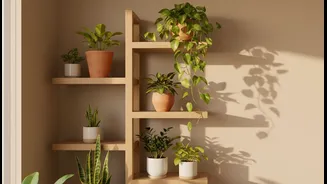
There’s immense satisfaction in snipping fresh herbs for your chai or curry right from your balcony. July is an excellent time to start a small herb garden. Many essential Indian herbs are beginner-friendly. Mint, for instance, grows quickly with minimal care. Coriander (Dhania), a staple in Indian cooking, also does well, especially in slightly cooler weather. Holy Basil (Tulsi) thrives in the sun and is perfect for teas and remedies. You don’t need a large space; a kitchen windowsill or a small balcony that receives four to six hours of sunlight is sufficient. Use pots with good drainage—terracotta is a great choice as it prevents waterlogging—and a well-draining soil mix of garden soil, compost, and cocopeat.
Embrace Natural Fabrics
Swap out heavy, synthetic materials for light, breathable fabrics to give your home an airy and eco-friendly makeover. Cotton, linen, and khadi are perfect choices for cushion covers, bedspreads, and curtains. These materials don't trap heat, promoting better airflow and comfort. Consider ethnic Indian textiles like Kalamkari, Ikat, or block-printed fabrics to add vibrant patterns and a touch of cultural elegance to your decor. Using bamboo blinds or vetiver (khus) mats for windows is another traditional and effective method. Sprinkling water on khus mats cools the incoming breeze and releases a refreshing, earthy scent.
Adopt Eco-Cooling Habits
Going greener also means reducing your energy consumption. Instead of relying solely on air conditioning, embrace natural ventilation. Open windows during the cooler early morning and late evening hours to allow for cross-ventilation, which pushes out hot, stale air. During the hottest parts of the day, keep windows and curtains closed to block the sun. You can also make a DIY cooler by placing a bowl of ice in front of a fan to circulate a chilled mist. Furthermore, switching from incandescent bulbs to LEDs is a simple change that makes a big difference, as LEDs run cool and don't add extra heat to your rooms.
Manage Monsoon Moisture Naturally
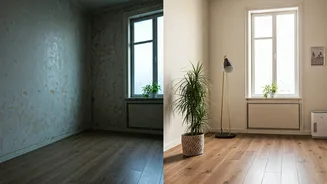
With July comes the monsoon and high humidity, which can lead to musty smells and mould. Combat this naturally instead of using chemical air fresheners. Place bowls of rock salt or activated charcoal in damp corners to absorb excess moisture. Lining wardrobes with old newspapers is an easy trick to keep clothes from feeling damp. To keep spaces smelling fresh and repel insects, use small pouches of dried neem leaves, camphor, or cloves. When mopping floors, adding a few drops of a natural disinfectant like tea tree or eucalyptus oil to the water can help prevent fungal growth. These small steps contribute to a healthier indoor environment without relying on harsh products.