






The Lactic Acid Misconception
For decades, the fitness world has pointed a finger at one culprit for post-workout soreness: lactic acid. The theory was simple: intense exercise produces lactic acid, which builds up in your muscles, causing that familiar burn and next-day pain. Consequently,
light recovery movements, or 'active recovery', were thought to help by 'flushing out' this acid. While active recovery does indeed help clear lactate from the blood faster than passive rest, the story doesn't end there. In fact, this explanation misses the real reason your muscles are aching a day or two after your workout.
Meet the Real Culprit: DOMS
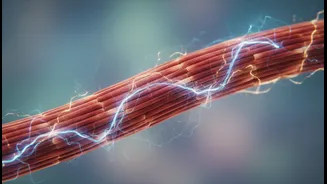
The soreness you feel 24 to 48 hours after a tough or new workout is called Delayed Onset Muscle Soreness, or DOMS. It has very little to do with lactic acid, which your body clears within an hour or two post-exercise. DOMS is actually caused by microscopic tears in your muscle fibres, a normal result of strenuous activity, especially exercises that involve lengthening a muscle under tension (like lowering a weight or running downhill). The soreness is a symptom of your body's natural inflammatory response as it works to repair this minor damage, ultimately building your muscles back stronger. So, if mobility drills aren't primarily flushing lactic acid to fix this, what are they doing?
The True Power of Light Mobility
While the lactic acid theory is outdated, the advice to perform light mobility drills remains excellent. The real benefits are actually more impressive. Gentle movement after a workout significantly increases blood flow to the tired muscles. This enhanced circulation acts like a delivery service, bringing a fresh supply of oxygen and essential nutrients that are crucial for the repair and rebuilding process. At the same time, it helps clear out metabolic byproducts associated with the inflammatory repair process. This not only speeds up recovery but also helps to reduce that feeling of stiffness and improve your range of motion, making it easier to get back to your daily activities without wincing.
Your Active Recovery Toolkit
Incorporating light mobility is simple and requires no special equipment. The key is to keep the intensity low and the movements gentle. The goal is to move, not to have another workout. Think of it as a cool-down or a dedicated session on your rest day. Some highly effective options include: a leisurely walk or slow cycling, gentle swimming, dynamic stretches like leg swings and arm circles, foam rolling to release muscle tightness, or flow-based practices like yoga. These activities keep your muscles flexible and promote the healing blood flow that is so critical for recovery.
When and How to Do It
You have two main windows to perform your active recovery. The first is immediately after your main workout, as part of your cool-down. A 10-15 minute session of light cardio and dynamic stretching is perfect. The second, and equally beneficial, window is on your designated rest days. Instead of sitting on the couch all day, a 20-30 minute mobility session can work wonders to alleviate stiffness and promote healing without adding stress to your system. Remember, the intensity should be very low—you should be able to hold a conversation easily. Listen to your body; the goal is to feel better afterwards, not more tired.