





The Gentle Art of Cold-Pressing
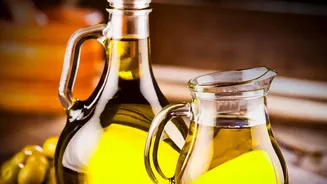
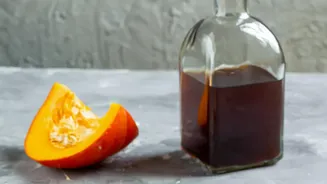
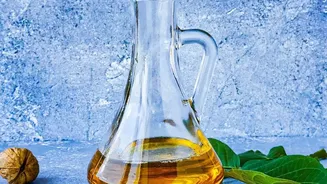
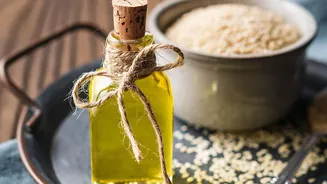
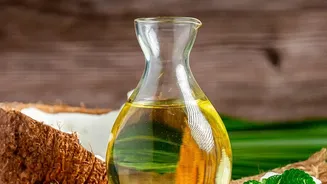
Cold-pressed oils are extracted by crushing seeds or nuts and forcing out the oil through pressure. Traditional methods used a wooden or stone press, often called 'chekku' or 'ghani' in India. Modern methods use large steel presses, but the core principle
remains the same: the process involves no external heat or chemical solvents. While some heat is generated by friction, it doesn't exceed 49°C. This gentle extraction preserves the oil's natural flavour, aroma, and, most importantly, its nutritional integrity. Cold-pressed oils like groundnut, sesame, and mustard retain antioxidants, vitamins, and minerals that are beneficial for health.
The Industrial Process of Refining
Refined oils are produced to have a neutral taste, a long shelf life, and a higher tolerance for heat. The process, however, is far more intensive. It often involves high heat and chemical solvents like hexane to extract the maximum amount of oil from the seeds. The crude oil then undergoes multiple stages of processing: degumming (to remove phospholipids), neutralization (to remove free fatty acids), bleaching (to lighten the colour), and deodorization (to remove the natural scent). This aggressive processing strips the oil of many of its natural nutrients, including beneficial antioxidants and vitamins.
Smoke Point Explained: Why It Matters
An oil's smoke point is the temperature at which it stops shimmering and starts to smoke. When an oil is heated past its smoke point, it begins to break down chemically. This process not only creates a burnt, bitter flavour that can ruin your food but also releases harmful compounds called free radicals. These compounds can cause oxidative stress in the body, which is linked to various health issues. Therefore, matching the oil's smoke point to your cooking method is crucial. High-heat cooking methods like deep-frying require an oil with a high smoke point, while low-heat methods like sautéing or dressings are fine for oils with a lower smoke point.
The Heart-Health Showdown
For heart health, cold-pressed oils generally have an edge. They are rich in monounsaturated and polyunsaturated fats (MUFAs and PUFAs), which are known to support healthy cholesterol levels. They also retain natural antioxidants like Vitamin E and polyphenols, which fight inflammation and protect cells from damage. Refined oils, having been stripped of these protective compounds, are often considered a source of 'empty calories'. Furthermore, the high-heat processing of some refined oils can create unhealthy trans fats. However, certain refined oils like sunflower and canola can still be part of a heart-healthy diet due to their unsaturated fat content, provided they are used appropriately.
Choosing the Right Oil for Indian Cooking
So, which oil should you use? The answer is: it depends on what you're cooking. For deep-frying samosas or puris, a refined oil with a high smoke point is a safer choice to prevent the oil from breaking down. For tadkas, stir-frying vegetables, or preparing curries on medium heat, traditional cold-pressed oils like mustard, groundnut, or sesame are excellent choices. They not only offer superior nutritional benefits but also add a distinctive flavour to the dish. For salad dressings or drizzling over finished dishes, extra virgin or cold-pressed oils are ideal as their delicate nutrients are preserved.