

The New Economics of Style
In an era of rising costs, the Indian consumer has become more discerning. Value for money is paramount, and that means investing in apparel that delivers more. A piece of clothing that can be styled in multiple ways for different occasions is no longer
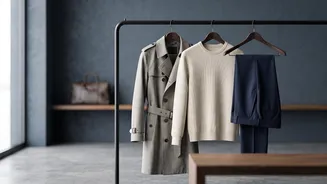
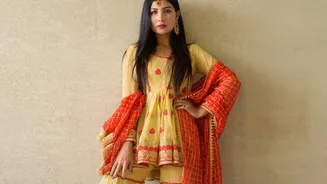
a niche concept but a practical necessity. Shoppers are looking for garments that work hard, stretching their fashion budget further. This is evident in the rising popularity of separates, reversible jackets, and traditional wear like kurtas that can be paired with jeans for a casual look or dressier trousers for the office. Brands are also noticing this shift, focusing on durability and quality to justify price points to a consumer who thinks in terms of 'cost per wear'. The middle-class consumer, in particular, is driving this trend, seeking fashion that is both stylish and sensible.
From Desk to Dinner
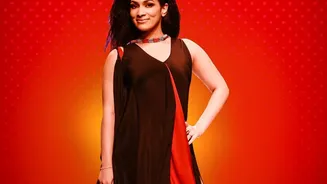
The post-pandemic world has irrevocably blurred the lines between work, life, and leisure. The rise of hybrid work models means the wardrobe has to be more flexible than ever. The demand is for 'workleisure' or 'desk-to-dinner' attire that can seamlessly transition from a Zoom call to a social gathering. This has spurred innovation in fabrics and silhouettes. Think comfortable yet chic palazzo suits, structured kurtas, and Indo-Western fusion wear that combines the ease of Western cuts with the elegance of Indian design. This blend of comfort and style is a direct response to a lifestyle where the day’s activities are fluid and unpredictable, making multi-purpose clothing an essential part of the urban Indian’s toolkit.
The Sustainability Mindset
A growing awareness of the fashion industry's environmental impact is another powerful driver. Young consumers, especially Gen Z, are increasingly asking questions about where their clothes come from and are willing to pay more for sustainable options. Versatility is inherently sustainable; a garment that can be worn frequently and for many years reduces the need for new purchases, thus curbing consumption and waste. This aligns with India's rich traditions of handloom textiles and mindful consumption. The move towards eco-friendly materials like organic cotton and the revival of artisanal crafts are part of this larger movement towards conscious fashion, where a versatile piece is valued for its longevity and smaller environmental footprint.
The Capsule Wardrobe Influence
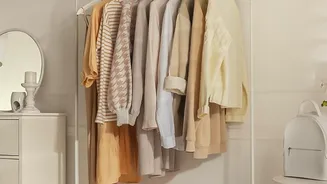
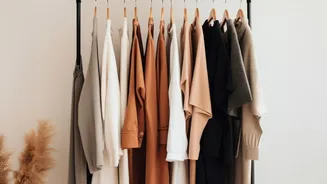
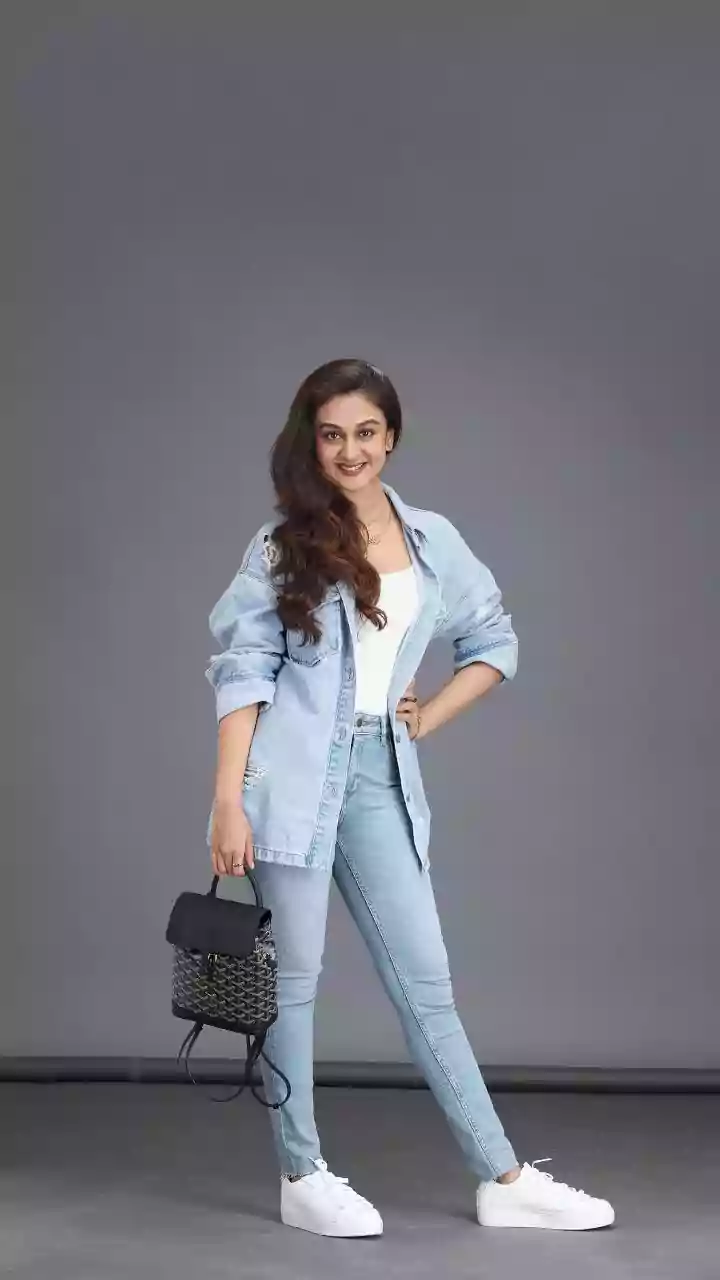
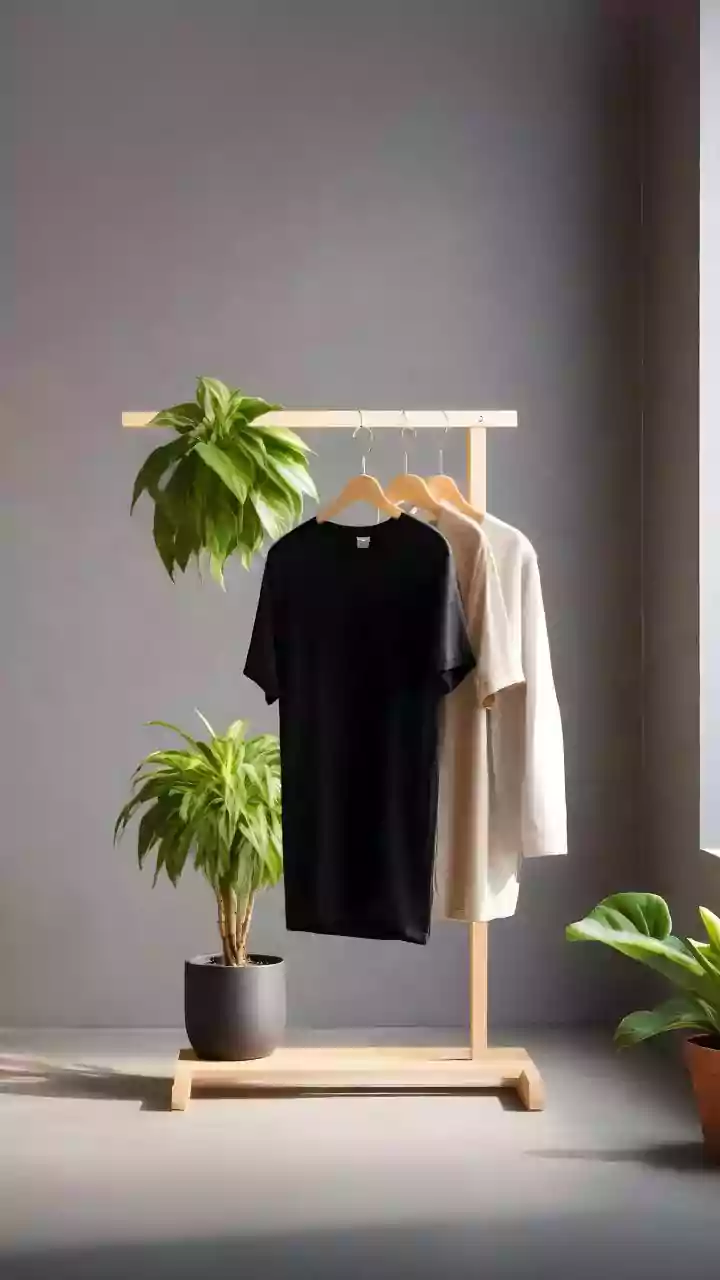
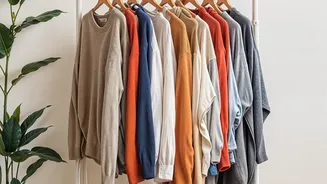
Social media has also played a significant role, popularising concepts like the 'capsule wardrobe'. Influencers and content creators are showcasing how a limited collection of interchangeable staples can create a multitude of outfits. This minimalist approach resonates with many who feel overwhelmed by cluttered closets and the pressure of fast fashion. The idea is to own fewer, high-quality pieces that you truly love and that work together effortlessly. This trend is particularly suited to the Indian context, where wardrobes often need to accommodate both ethnic and Western wear across different seasons and occasions. A well-planned, versatile collection solves this perennial 'closet full of clothes, nothing to wear' dilemma.
How Brands Are Adapting
Fashion brands have been quick to respond to this evolving consumer demand. Marketing language now frequently highlights modularity, multi-way styling, and day-to-night functionality. Fusion wear, which blends Indian and Western aesthetics, is a dominant trend precisely because it offers this versatility. Think sarees designed with a modern twist that makes them easier to drape, or lehengas with detachable jackets. Designers are creating pieces that provide more than one look, acknowledging that the modern Indian consumer values practicality and creativity in their style choices. From D2C startups to established luxury houses, the message is clear: the future of fashion is flexible.