





The Forecast: A Weaker End to the Monsoon
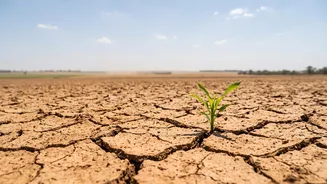
After an erratic season, India faces the prospect of a weak finish to its monsoon. As of late August, the country-wide rainfall deficit stood at around 13-14% below the long-period average. Several weather agencies and forecasters have warned that strengthening
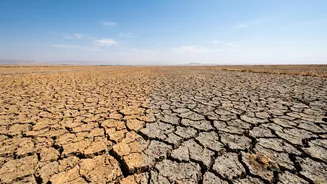
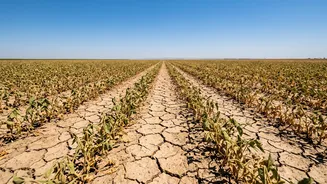
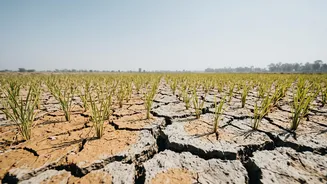
El Niño conditions could suppress September rainfall, potentially making this the weakest monsoon since 2009. While a low-pressure system is expected to bring some rain to eastern and northern India in early September, the broader outlook for the month remains subdued, especially for peninsular India. This is a cause for significant concern as the final month of the monsoon is crucial for a number of reasons.
Why September Rains Are So Critical
September rainfall plays a dual role in Indian agriculture. Firstly, it is vital for the maturation of the Kharif (summer) crops that have been growing since June and July. Crops like pulses, soybeans, cotton, and late-sown paddy are in their final, critical growth stages and require adequate moisture to ensure healthy yields. Secondly, these late-season rains are essential for preparing the soil for the next cropping cycle—the Rabi (winter) season. Sufficient September rain ensures there is enough residual moisture in the ground for sowing major Rabi crops like wheat, mustard, and gram (chana), which are planted starting in October. A dry September thus delivers a double blow, threatening both the current harvest and future planting.
Pulses and Vegetables on the Frontline
Pulses like tur (arhar), urad, and moong are particularly vulnerable to a moisture deficit in September. These crops are in the pod-filling stage, where water stress can severely reduce the final output and quality. Given that India is already sensitive to price fluctuations in pulses, a poor harvest could quickly translate into higher costs for consumers. Similarly, many vegetables harvested in the post-monsoon period depend on late rains for their final growth spurt. Insufficient rainfall can lead to smaller yields and poorer quality, driving up market prices for everyday essentials. Past data shows that vegetable and pulse prices are highly reactive to rainfall patterns, and a dry spell often precedes a spike in food costs.
Impact on Other Key Crops
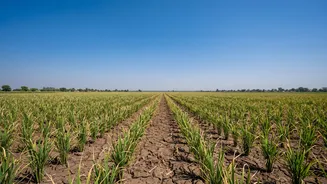
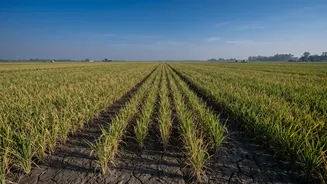
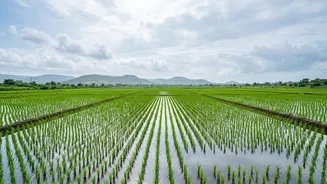
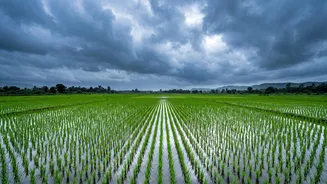
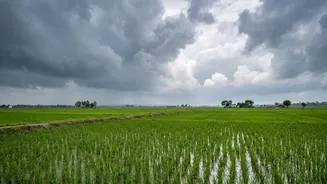
Beyond pulses and vegetables, other major Kharif crops are also at risk. Soybeans, a key oilseed grown predominantly in central India, need September showers for pod development. A dry spell could curtail the oilseed harvest, impacting domestic edible oil supplies. Cotton is another vulnerable crop; moisture stress during the boll development phase can lead to lower yields and poor fibre quality. Even paddy (rice), especially in rain-fed regions, requires sustained moisture through September for grain filling. While reservoir levels provide a buffer in some irrigated areas, they are not uniform across the country and are generally below last year's levels, meaning even irrigated farms are not entirely safe.
The Ripple Effect: From Farm to Your Wallet
The consequences of a significant September dry spell extend far beyond the farm gate. Lower crop yields inevitably lead to tighter supply in the market. This supply-demand imbalance is a classic recipe for food inflation. Economists warn that a weak end to the monsoon could push overall consumer price inflation higher, potentially reaching 5.5% or more. This directly impacts household budgets, making staple foods more expensive. Furthermore, poor harvests reduce rural incomes, which can dampen overall economic demand. The performance of the monsoon's final act is therefore not just an agricultural issue but a key factor for the broader economy and the financial stability of millions.