







Monitor Routes and Weather
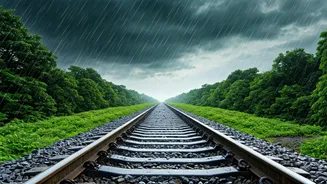
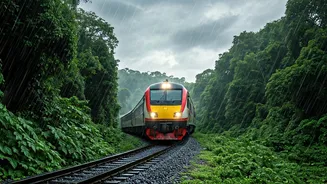
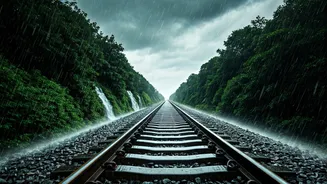
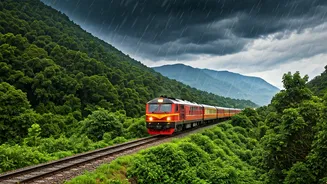
The first step to a successful monsoon journey is knowing what you're up against. Heavy rains can lead to waterlogging, landslides, and track damage, causing significant delays and cancellations. Certain routes, like the Konkan Railway (Mumbai-Goa) and lines
through the Western Ghats, are particularly vulnerable. Indian Railways often implements a special monsoon timetable from June to October on these routes, which involves speed restrictions and schedule changes to ensure safety. Before booking, check for any advisories from the railways. Use reliable weather apps to monitor the forecast not just for your destination but for the entire route. Being aware of potential disruptions allows you to make informed decisions and avoid getting stranded.
Use Digital Tools for Real-Time Updates
Once you've booked, technology is your best friend. Delays are common, so constantly checking your train's status is crucial. The National Train Enquiry System (NTES) is the official Indian Railways platform for real-time information. You can access it via the NTES website or app to 'Spot Your Train' live, check for revised schedules, and see expected arrival and departure times. This information is vital, as it helps you avoid long waits at the station and manage your connecting travel. Many third-party apps also source their data from NTES, offering user-friendly interfaces to track your journey. Passengers are often officially advised to use these tools to stay updated.
Pack a Monsoon-Proof Travel Kit
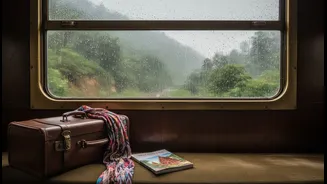
Your packing strategy needs a monsoon-specific upgrade. Prioritise quick-drying fabrics like cotton blends and synthetics; avoid heavy materials like denim that stay damp for ages. A lightweight raincoat and a sturdy umbrella are non-negotiable. Protect your belongings with waterproof luggage or, at the very least, a rain cover for your backpack. Use plastic bags or zip-lock pouches to segregate wet clothes and safeguard important documents and electronics like your phone and power bank. Since delays can disrupt onboard food services, it's wise to carry your own light snacks like nuts or protein bars and a bottle of drinking water.
Prioritise Health and Hygiene
The monsoon increases health risks due to stagnant water and humidity, which can become breeding grounds for infections. Station food and pantry car meals can sometimes be a gamble. It's advisable to stick to freshly cooked, hot food from reliable vendors or consider using hygienic food delivery services that cater to trains. Carry hand sanitiser and use it frequently, especially before eating and after touching public surfaces. Also, pack a basic medical kit with essentials like band-aids, antiseptic, and any personal medications, as reaching a pharmacy could be difficult during your journey.
Stay Safe at Stations and Onboard
Railway platforms can become extremely slippery during the rains, increasing the risk of falls. Wear footwear with a good grip and be extra cautious while walking. Always stay behind the marked safety line on the platform, as splashes from approaching trains can be powerful. When boarding or alighting, use the handrails, as the steps can be wet and slippery. Avoid standing near open train doors; while it might seem romantic, the combination of a moving train, rain, and sudden jerks can be dangerous. Securing your luggage under the seat with a lock can also provide peace of mind during overnight journeys.