



The Kitchen-to-Counter Phenomenon
A stroll down the beauty aisle reveals a delicious trend: coffee, avocado, rice, and oats are no longer just for breakfast. These pantry staples are now the star ingredients in a growing number of serums, masks, scrubs, and cleansers. The trend ranges
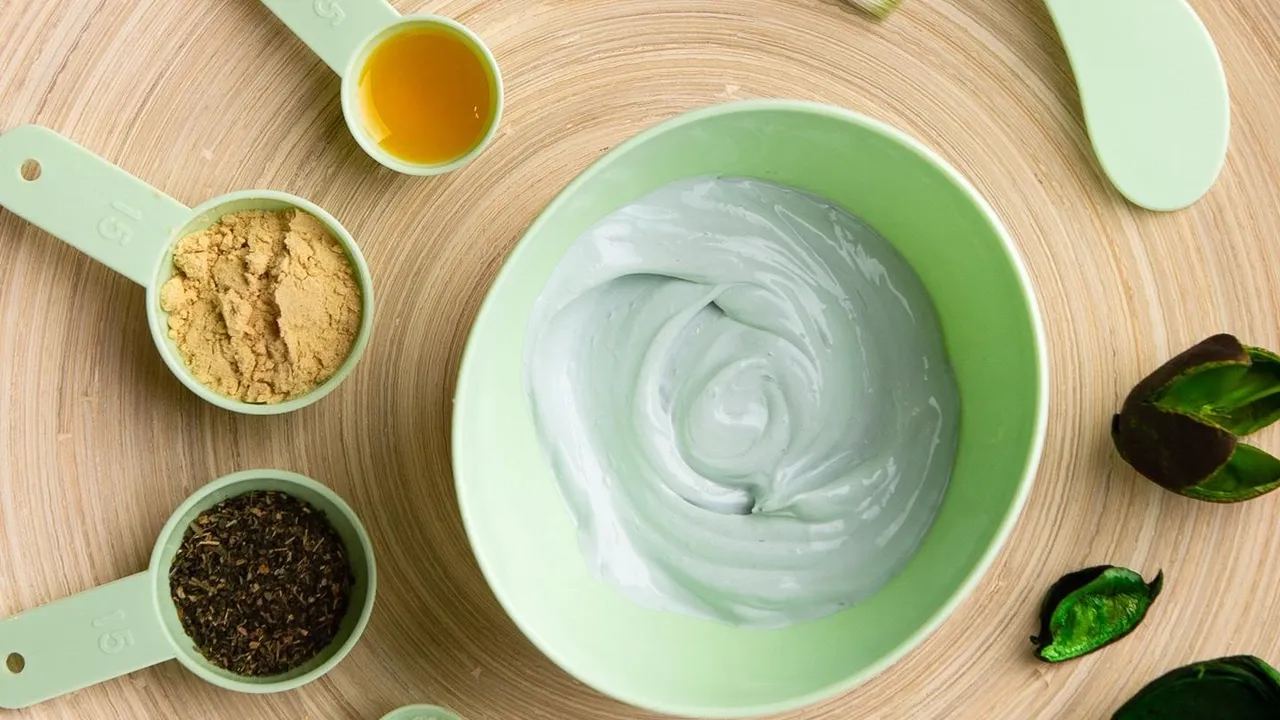
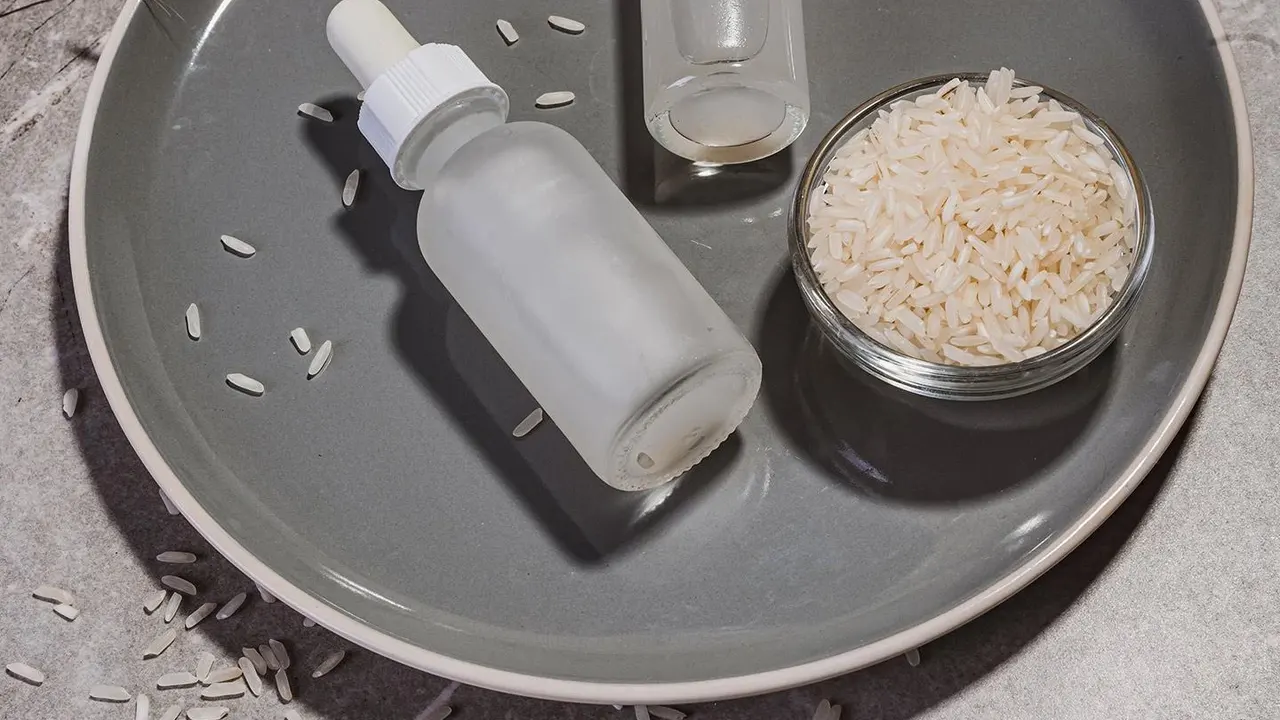
from DIY hacks that go viral on social media to sophisticated formulations from major beauty brands. Take rice water, a staple in many Asian cultures for centuries, which has exploded in popularity as a hair rinse promising strength and shine. Brands have harnessed its amino acids and vitamins to create strengthening shampoos and treatments. Similarly, the humble coffee bean is now a key component in exfoliating body scrubs, with brands touting caffeine's ability to improve circulation. And avocado, long praised for its healthy fats when eaten, is now found in rich, moisturizing creams and masks, valued for its ability to hydrate and nourish the skin.
Driven by a Hunger for ‘Natural’
So, why the sudden appetite for food-based beauty? A major driver is the consumer's growing desire for “clean” and “natural” products. In an era of ingredient-list scrutiny, familiar food items feel inherently safer and more wholesome than complex chemical compounds. There's a powerful psychological comfort in recognizing what you're putting on your body. This movement is tied to a broader wellness trend that views skincare as an extension of overall health. The logic is simple: if it’s good enough to eat, it must be good enough to apply to your skin. Consumers are increasingly wary of synthetic chemicals and are drawn to the perceived purity of ingredients that come from nature. This has pushed brands to innovate with formulations that highlight these simple, effective, and easily understood components, meeting the demand for transparency and a back-to-basics approach.
The Social Media Influence
The rise of food-inspired beauty cannot be discussed without mentioning social media, particularly TikTok. The platform has become a launching pad for countless DIY beauty trends using kitchen ingredients. Viral videos showcasing homemade face masks made from bananas or egg whites, or hair treatments using rosemary water, garner millions of views. These hacks create massive, organic buzz that beauty companies are quick to notice. A trend that starts as a simple kitchen experiment can quickly become a commercially produced product. Social media influencers play a huge role in this cycle, demonstrating the benefits of these natural ingredients and driving consumer interest. This digital word-of-mouth validates the trend, making consumers more receptive when they see a professionally formulated coffee scrub or avocado mask on the shelf. The market for products like coffee scrubs has grown significantly, partly due to this online visibility.
From Raw Ingredient to Refined Product
It's important to note that brands aren’t simply suggesting you mash up an avocado and put it on your face. While DIY has its place, the beauty industry is leveraging food ingredients by extracting their most beneficial components and integrating them into sophisticated formulas. For example, avocado oil or avocado butter is expertly processed to create balmy, creamy textures perfect for masks and moisturizers that help lock in hydration. These products often combine food-derived elements with other proven ingredients, like antioxidants or hydrating agents, to enhance their effectiveness. Skincare companies invest in research to determine how these natural ingredients can deliver tangible results, from improving the skin's barrier to providing antioxidant protection. This scientific approach elevates the trend from a simple home remedy to a legitimate and effective part of a modern skincare regimen, offering the best of both worlds: the appeal of nature, backed by the power of science.