


The Monsoon's Perfect Companion
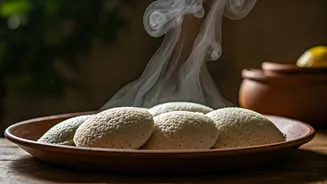
There's an almost primal connection between the Indian monsoon and a plate of hot food. While samosas and pakoras often steal the spotlight, the idli offers a different kind of solace. It’s a clean, light, and nourishing warmth that doesn’t leave you
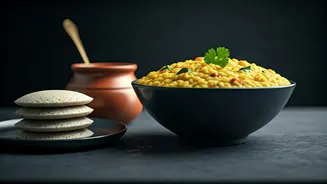
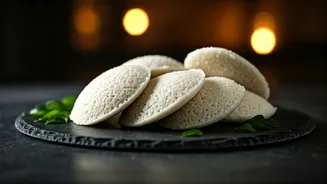
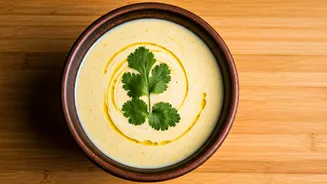
feeling heavy or lethargic. Imagine a soft, fluffy, white cloud on your plate, absorbing a ladle of flavourful sambar or a spoonful of spicy coconut chutney. It’s a sensory experience that feels both invigorating and soothing—a perfect antidote to the damp chill of a rainy day. This seasonal craving is less about indulgence and more about a return to a simple, wholesome comfort that feels just right.
A Gut-Friendly Health Hero
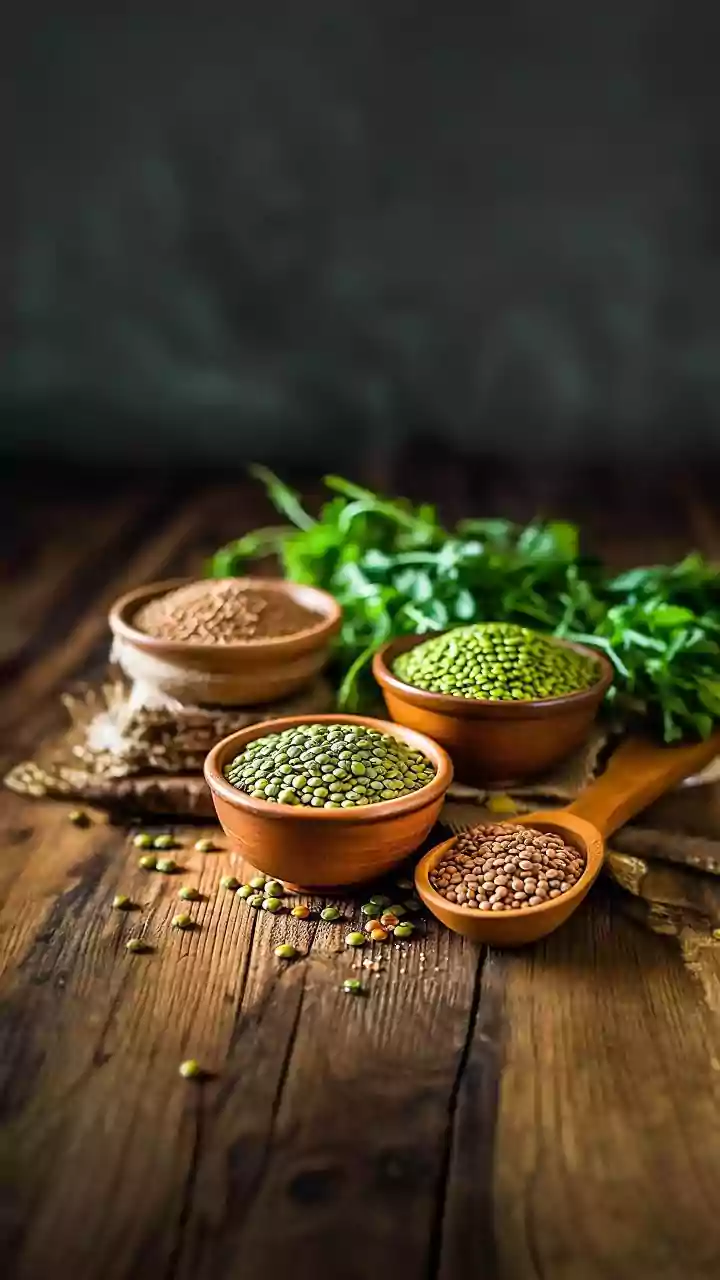
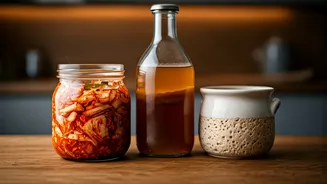
The idli's comeback isn’t just about nostalgia; it’s firmly rooted in modern wellness trends. In an era obsessed with gut health and probiotics, the idli stands out as a traditional superstar. Made from a fermented batter of rice and lentils, it is a natural source of beneficial bacteria that aid digestion. The steaming process, unlike frying, preserves its nutrients and keeps it incredibly low in calories and fat. It’s gluten-free, easy on the stomach, and provides a balanced mix of carbohydrates and protein. As more people move away from processed foods and seek out meals that are both delicious and genuinely good for them, the idli's simple, honest-to-goodness profile makes it a clear winner.
Beyond the Breakfast Table
For decades, the idli was largely typecast as a breakfast item. But its recent resurgence has seen it break free from this morning mould. Chefs and home cooks are now reimagining the idli in creative and exciting ways. We're seeing 'idli fries' as a healthy snack, mini 'cocktail idlis' tossed in spices for parties, and stuffed idlis filled with everything from vegetables to cheese. This versatility is key to its comeback. It can be a light lunch, a satisfying evening snack, or even a full meal when paired with a variety of side dishes. Its neutral flavour profile makes it a perfect canvas for culinary creativity, allowing it to adapt to contemporary tastes without losing its essential character.
A Return to Simplicity
Perhaps the most significant reason for the idli's renewed popularity is a collective cultural shift. In a world saturated with complex, over-the-top food trends, there's a growing appreciation for simplicity. The idli is the antithesis of a fleeting food fad. It doesn’t require fancy equipment or exotic ingredients. It represents a return to roots, to recipes passed down through generations, and to the profound idea that the best food is often the simplest. This comeback is a quiet rebellion against culinary chaos. It’s a reminder that a few basic ingredients, treated with time and care, can result in something truly magical. The idli’s resurgence is proof that in food, as in life, we are often drawn back to what is pure, simple, and authentic.