







Welcome to the Concrete Jungle
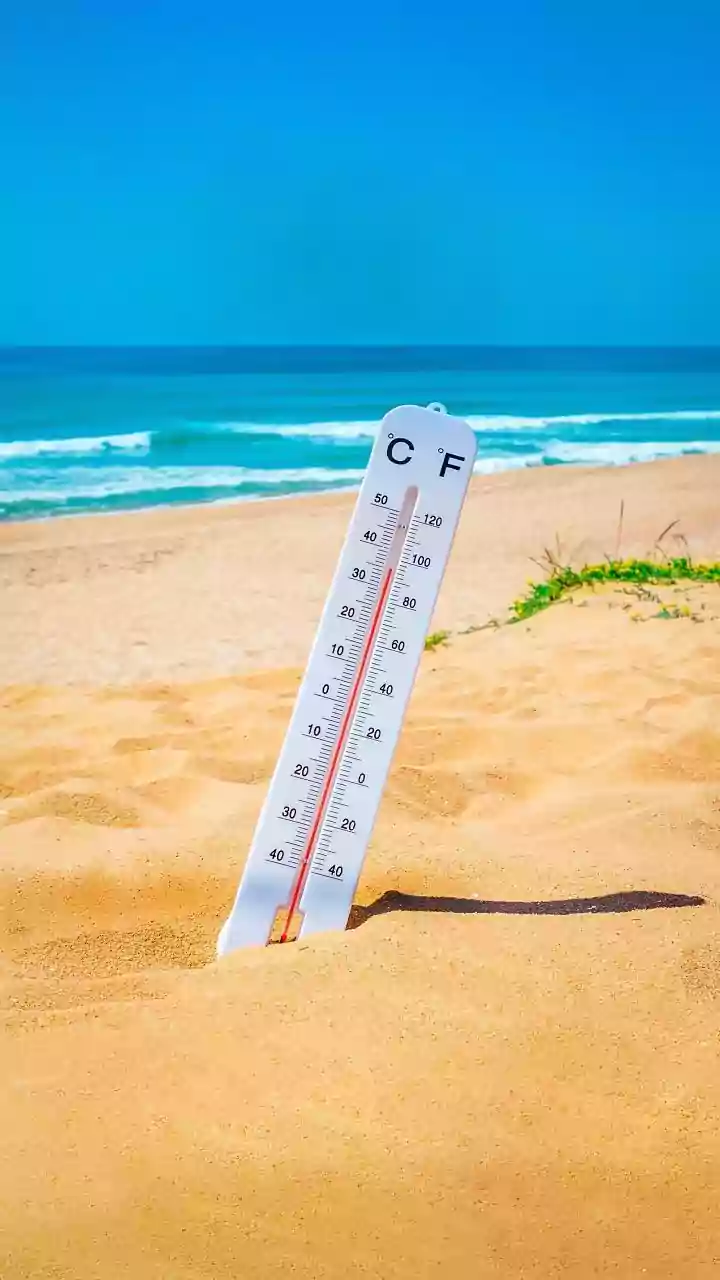
The story begins with a concept known as the Urban Heat Island (UHI) effect. Our cities, particularly in India, are sprawling jungles of concrete, asphalt, and dark-roofed buildings. Unlike natural landscapes with soil and vegetation, these materials
are experts at absorbing and retaining the sun's heat. During the day, they soak up solar radiation, and long after the sun has set, they continue to release this stored warmth, keeping the city significantly hotter than its surrounding rural areas. This effect is especially pronounced in densely packed metropolises from Delhi to Mumbai, where green cover is scarce and buildings trap heat.
It's Not Just the Heat, It's the Humidity
The second crucial player in this atmospheric drama is humidity. The temperature on the weather report doesn't tell the whole story of how we experience heat. That's where the 'feels like' temperature, or heat index, comes in. High humidity—a high concentration of water vapour in the air—makes it harder for our sweat to evaporate. Evaporation is the body's primary cooling mechanism. When it's hampered by muggy air, we feel hotter and more uncomfortable, even if the actual temperature hasn't changed. The air feels thick, sticky, and heavy.
When Rain Meets Hot Pavement
Now, let's combine these two elements. Picture a hot city day where the pavements and rooftops are baking, easily reaching temperatures far higher than the air itself. Then, the much-awaited rain begins to fall. When the relatively cool raindrops hit these superheated surfaces, they don't just form puddles; they sizzle and turn to steam. This process is called flash evaporation. In an instant, a massive amount of water is vaporised and pumped directly into the air at ground level. The city essentially becomes a giant, open-air steam room.
The Post-Rain Sauna Effect
This sudden injection of moisture is what creates that intensely heavy, soupy feeling after a city rain shower. The Urban Heat Island has provided the heat engine, and the rain has provided the water. The result is a sharp, localised spike in relative humidity. Your body, already struggling with the ambient heat retained by the city's infrastructure, now has to contend with air so saturated with moisture that your personal cooling system—sweating—becomes almost useless. The promised relief from the rain never arrives; instead, you're left in an environment that feels more stifling than before the downpour.
Beyond Discomfort: The Broader Impacts
This phenomenon is more than just a source of personal discomfort. This combination of extreme heat and humidity, exacerbated in urban centres, puts significant stress on human health, especially for the elderly, children, and those with respiratory conditions. It also drives up energy demand as millions turn up their air conditioning to find relief, creating a vicious cycle where the heat exhaust from AC units further contributes to the overall city temperature. Studies across Indian cities have confirmed that this intensified heat is a direct consequence of rapid, often unplanned, urbanisation.