




Why Jute is the Perfect Foundation
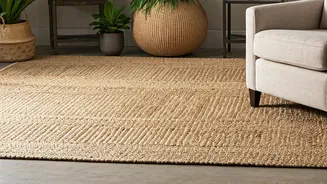
Before we dive into the trends, let's talk about the star player: the handwoven jute rug. Why has this humble, natural fibre become a cornerstone of modern interior design? First, its texture is unbeatable. The rustic, earthy weave adds a layer of visual
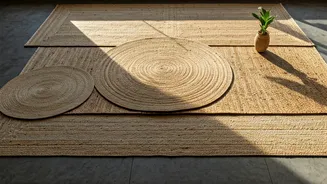
and tactile warmth that instantly makes a space feel more grounded and welcoming. Second, jute is incredibly durable, making it ideal for high-traffic areas and, yes, for spaces where you'll be sitting, lounging, and living on the floor. It's a practical choice that doesn't sacrifice style. Finally, its eco-friendly credentials resonate with a growing desire for sustainable living. Harvested from a fast-growing plant, jute is biodegradable and a renewable resource. Its neutral, golden-brown hue provides a versatile canvas that complements a wide range of colours and decor styles, making it the perfect anchor for any floor seating arrangement.
1. The Modern 'Baithak' Revival
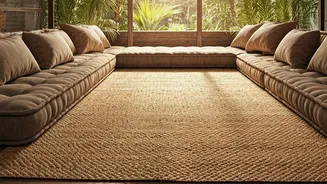
The traditional Indian 'baithak'—a low-seating arrangement for social gatherings—is being reimagined for the contemporary home. This trend moves away from bulky sofas and towards a more intimate and flexible setup. Picture a large, handwoven jute rug as the base. On top, arrange large floor cushions, plush bolsters, and low-slung wooden benches or daybeds. This creates a conversational, communal atmosphere that encourages guests to relax and connect. The jute rug defines the space, its natural texture preventing the cushions from looking like a temporary afterthought. Instead, it grounds the entire arrangement, making it feel intentional and chic. This style is perfect for living rooms or family dens where informal comfort is the top priority.
2. The Layered Bohemian Lounge
For those who love a more eclectic, free-spirited vibe, the layered bohemian look is a popular floor seating trend. This style is all about mixing textures, patterns, and heights to create a rich, lived-in feel. A large jute rug is the essential first layer. Its simple, robust texture provides a neutral backdrop that allows other elements to shine. On top of the jute, add a smaller, more colourful vintage rug or a soft sheepskin throw. Then, scatter an assortment of floor pillows, Moroccan-style poufs, and low stools. The key here is abundance and comfort. The jute rug not only adds its own textural contribution but also prevents the look from becoming too chaotic by providing a unifying, earthy element.
3. Minimalist Japanese-Inspired Calm
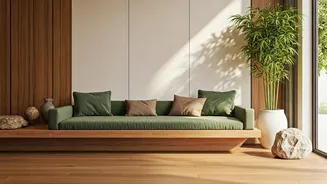
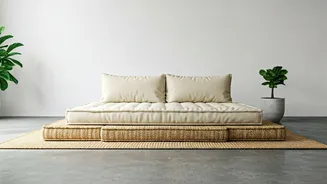
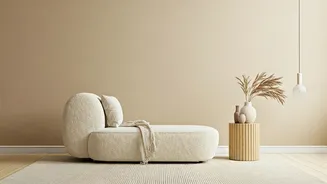
At the other end of the spectrum is the minimalist, Zen-inspired approach to floor seating, often referred to as 'Japandi' (a hybrid of Japanese and Scandinavian design). This trend prioritizes clean lines, natural materials, and a sense of uncluttered calm. A simple, tightly woven jute rug fits this aesthetic perfectly. Its organic quality and neutral colour palette align with the focus on nature and simplicity. Pair the rug with just a few key pieces: a low-profile platform sofa without legs, a simple wooden coffee table, and a couple of structured floor cushions (zabutons). The goal isn't to fill the space, but to create a serene environment for relaxation and contemplation. The jute rug contributes to this sense of tranquility, its natural weave echoing the beauty of the imperfect, or 'wabi-sabi'.
4. The Flexible, Multi-Functional Nook
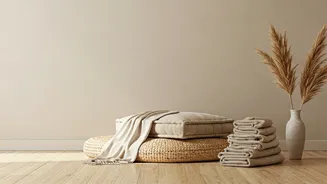
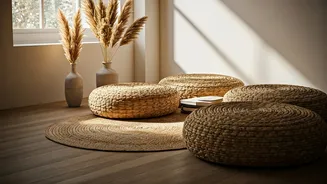
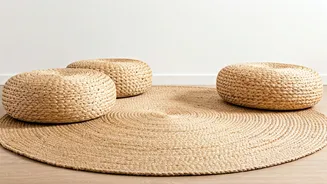
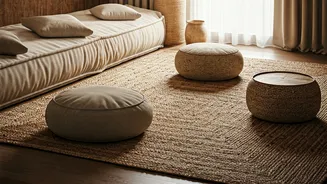
In today's homes, especially in urban apartments, every square foot counts. Floor seating offers a brilliant solution for creating flexible, multi-functional spaces. A cozy reading nook, a meditation corner, or a play area for kids can all be carved out using a simple floor seating strategy. A durable, handwoven jute rug is the ideal way to demarcate such a zone. It's tough enough to handle daily use, from children playing with toys to adults practicing yoga. Add a few stackable floor cushions or a couple of lightweight poufs that can be easily moved or stored away. This allows the area to adapt to different needs throughout the day. The jute rug provides comfort underfoot and visually separates the nook from the rest of the room, creating a cozy and defined space without adding permanent, bulky furniture.