





From Bigger to Smarter
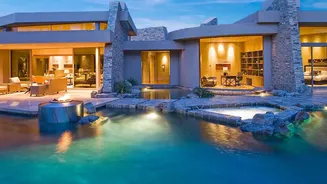
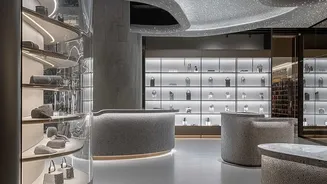
For decades, the ultimate status symbol in Indian real estate was size. Today, that notion is being gracefully redesigned. The new luxury is less about demonstrating wealth through excess space and more about the quality and intelligence of that space.
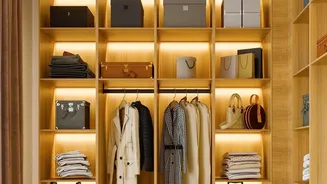
Affluent homebuyers in cities like Mumbai, Delhi-NCR, and Bengaluru are now seeking homes that are dynamic and responsive to their lifestyles. This trend, driven by global exposure and post-pandemic realisations, focuses on open-concept layouts that enhance natural light and social interaction, and clever spatial planning that makes every square foot count. The emphasis is on creating environments that are efficient, comfortable, and elegant, where the design works hard behind the scenes to make daily life feel effortless.
The Post-Pandemic Push for Purposeful Spaces
The global pandemic was a significant catalyst for this shift, forcing a collective re-evaluation of what a home needs to be. With remote and hybrid work becoming a permanent fixture for many professionals, the demand for dedicated and adaptable home offices has soared. But it goes beyond just work. There's a heightened focus on wellness, leading buyers to desire spaces for fitness, meditation, or hobbies within their homes. Balconies, terraces, and private gardens are no longer afterthoughts but essential extensions of the living area, designed for relaxation and social gatherings. This has led to a rise in what experts call the 'liveable home'—a sanctuary that supports work-life balance, mental well-being, and a deeper connection to nature.
What Smart Space Use Looks Like
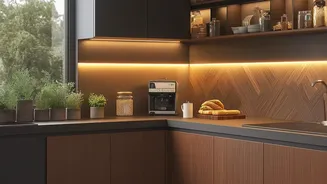
So, how does this trend manifest in practice? It's a blend of thoughtful architecture and innovative technology. Designers are employing open floor plans to create a sense of spaciousness even in compact urban homes, particularly in space-constrained cities like Mumbai. Key features include multifunctional furniture, such as a dining table that can be retracted or a guest room that doubles as a study. Architects are using retractable partitions and glass walls to create distinct zones without sacrificing an open feel. Seamless smart home automation is now an expectation, not a novelty. This 'invisible tech' includes features like app-based lighting and climate control, voice-activated assistants, and automated security systems that enhance convenience, security, and energy efficiency without cluttering the aesthetic. According to some analyses, by 2026, over 40% of luxury homes in India are expected to feature such integrated smart systems.
A Blend of Global Trends and Indian Sensibilities
This movement is not about simply copying Western designs. Instead, it involves a sophisticated fusion of global trends with Indian cultural context. Homeowners are interpreting international philosophies like minimalism through a distinctly Indian lens, pairing clean lines with handcrafted local materials or traditional art forms. The concept of biophilic design—integrating nature into the built environment—resonates deeply with traditional Indian architectural principles that have long celebrated harmony with nature. As a result, features like indoor courtyards, green walls, and large windows framing natural vistas are becoming standard. Developers are collaborating with international architects to bring global standards of design while ensuring the spaces remain grounded in an Indian context, creating homes that feel both world-class and deeply personal.