








The Irresistible Trifecta
Hyper-palatable foods are specifically designed to be intensely rewarding. Food scientists have found that the human brain is hardwired to seek out energy-dense foods, a survival mechanism from our ancestors. Modern food production exploits this by creating
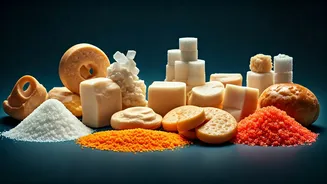
items with a specific combination of three key ingredients: fat, sugar, and sodium. Researchers have identified specific clusters that make foods hyper-palatable: combinations of fat and sodium (like in bacon or pizza), fat and sugar (like in cake and ice cream), or carbohydrates and sodium (like in crackers and pretzels). These combinations are rarely found in nature, but in processed snacks, they are calibrated to perfection, creating a sensory experience that our brains find exceptionally pleasurable.
Engineering the 'Bliss Point'
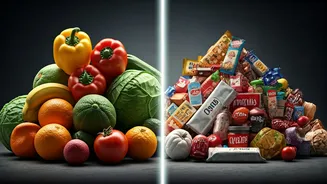
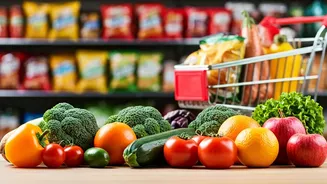
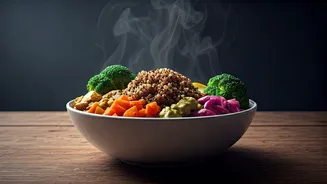
Food companies invest millions of dollars to find what is known as the 'bliss point'. Coined by food scientist Howard Moskowitz, the term refers to the precise concentration of sugar, salt, or fat that creates maximum pleasure for our taste buds. It's the Goldilocks zone of flavour—not too much, not too little, but just right to make a product irresistible. The goal is to maximize craveability without triggering the body's natural satiety signals that tell you you're full. This is why you can keep eating a sleeve of crackers or a bowl of chips long after you would have stopped eating a more natural food like an apple or a plate of vegetables.
Your Brain on Snacks
When you eat a hyper-palatable food, it activates the reward centers in your brain, causing a release of the neurotransmitter dopamine. This is the same 'feel-good' chemical associated with pleasure and reward that is released during other enjoyable activities. This dopamine rush creates a powerful sense of pleasure and reinforces the behaviour, making you want to repeat it. Over time, your brain can become desensitized, requiring more of the food to get the same pleasurable hit. This creates a cycle of craving and consumption that can be difficult to break, as the brain learns to associate these engineered foods with an intense reward signal far greater than what whole foods can provide.
More Than Just Taste
It’s not only about the perfect blend of salt, sugar, and fat. Food scientists also manipulate texture to heighten the appeal. One technique is called 'dynamic contrast', which involves combining different sensations in a single food, like a crunchy shell with a creamy filling. Think of an Oreo cookie or a piece of pizza with a crisp crust and soft cheese. Another concept is 'vanishing caloric density'. This applies to foods that melt in your mouth, like cheese puffs or certain chocolates. Because they dissolve so quickly, they trick your brain into thinking you're consuming fewer calories than you actually are, which delays feelings of fullness and encourages you to keep eating.
Becoming a Conscious Consumer
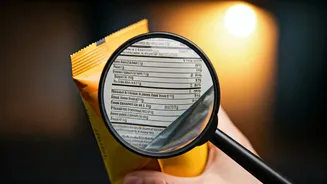
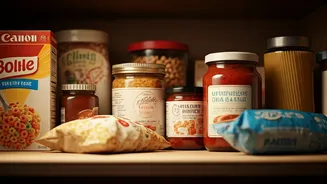
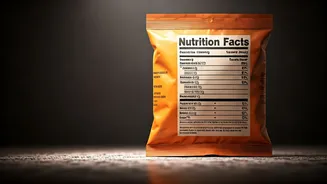
Recognizing hyper-palatable foods is the first step toward gaining control over your cravings. These items are almost always ultra-processed and come in packages. They are often marketed with enticing slogans that hint at their addictive quality, like “Betcha can’t eat just one”. While these foods are engineered to be overeaten, awareness of the science behind them can be empowering. Paying attention to ingredient lists can help you spot the classic combinations of fat, sugar, and sodium. Practicing mindful eating—slowing down and paying attention to the taste and texture of your food without distraction—can also help your brain better register satiety signals.