






More Than a Market
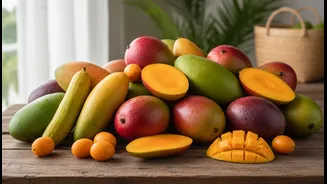
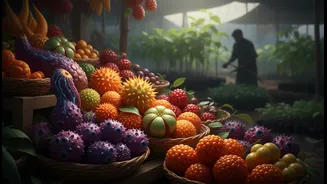
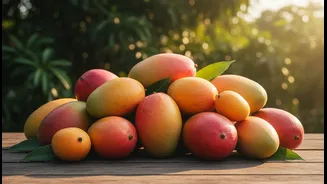
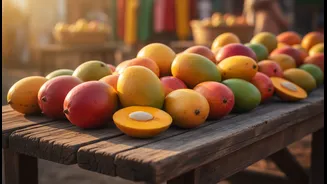
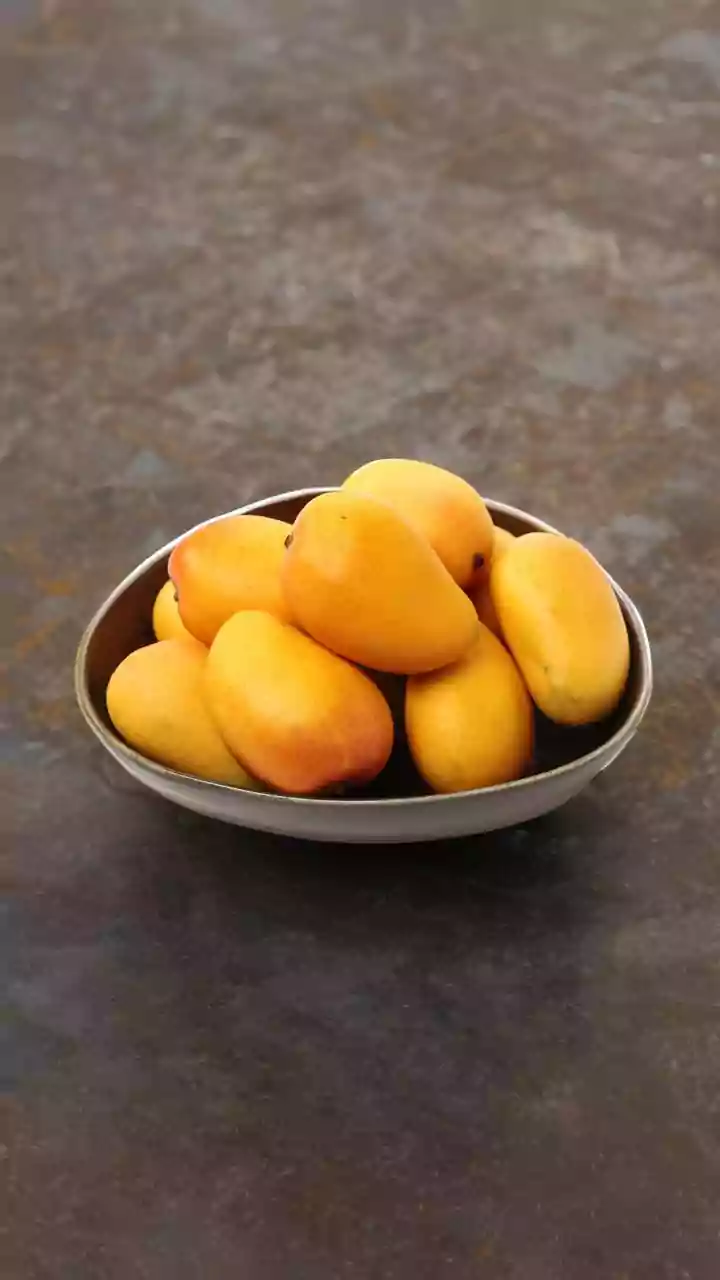
Step into a mango festival, and you are immediately immersed in a world dedicated to the 'king of fruits'. The air buzzes with excitement as families navigate stalls piled high with hundreds of mango varieties, from the well-known Alphonso and Kesar to rare,
local gems you would never find in a supermarket. Organised by bodies like state tourism and agricultural marketing boards, these events are a feast for the senses, featuring mango-eating competitions, cooking demonstrations by renowned chefs, and cultural performances. Events in cities like Delhi, Pune, and Mumbai attract thousands of visitors, transforming public spaces into vibrant hubs where the fruit is the star. But the festive atmosphere is just one layer; the true significance of these gatherings lies in the direct connection they forge between the farm and the city.
A Direct Lifeline for Farmers
For growers, mango festivals are a game-changer. Traditionally, farmers sell their produce through a long chain of middlemen, where each intermediary takes a cut, drastically reducing the farmer's final profit. These festivals eliminate that chain. By selling directly to urban consumers, farmers can secure significantly better prices and a more stable income. It's a model that has proven successful, with one festival series in Maharashtra facilitating the sale of over 3 lakh dozen mangoes directly from growers, generating crores in revenue for the farming community. This direct interaction also provides invaluable, immediate feedback from customers, helping farmers understand market preferences and build a loyal customer base. This platform empowers them to become entrepreneurs, not just producers dependent on fluctuating market rates.
The Rise of the Educated Consumer
For the urban consumer, the benefits extend far beyond simply buying fresh fruit. These festivals are educational experiences that transform visitors from passive buyers into informed enthusiasts. Most city dwellers may only know a handful of commercial mango varieties, but at a festival, they can discover and taste dozens, if not hundreds, of others. They have the unique opportunity to speak directly with the people who grew the fruit, learning about different cultivation techniques, the challenges of farming, and what makes each variety unique. This transparency fosters a deeper appreciation for the food they eat, promoting awareness of agricultural heritage and the importance of supporting local, sustainable farming practices. Many festivals also promote organic and carbide-free mangoes, catering to a growing demand for healthier, traceable food sources.
Cultivating Culture and Community
Mango festivals are powerful community-building events that strengthen the fabric connecting rural and urban India. They are a celebration of India's immense agricultural biodiversity, showcasing a national treasure that has been cultivated for nearly 4,000 years. By providing a platform for heritage varieties, these festivals play a role in their preservation, preventing them from being lost to commercial monocultures. The events also help boost local economies, not just for farmers but for food processors who showcase mango-based products like jams, pickles, and juices. Furthermore, they have become significant drivers of agritourism, with some farms now offering festival-like experiences that include orchard tours and farm stays, allowing city dwellers to experience rural life firsthand. These interactions build bridges of understanding and appreciation between two often-disconnected parts of the country.