






The Heart of the Matter: Protecting an Annual Miracle
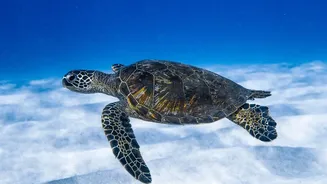
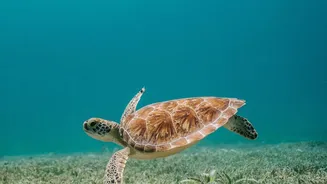
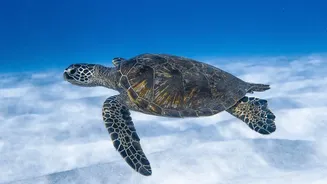
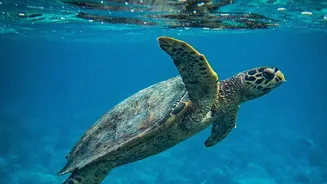
The Olive Ridley sea turtle, named for its olive-green, heart-shaped shell, is one of the smallest and most abundant sea turtles in the world. Despite their numbers, they are listed as a 'Vulnerable' species, facing significant threats globally. In India,
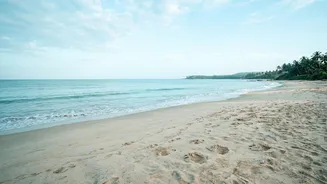
they are given the highest level of protection under Schedule I of the Wildlife (Protection) Act, 1972. Goa’s coastline is a crucial nesting ground, where female turtles return between November and April to lay their eggs. This nesting period, however, coincides with Goa’s peak tourist season, creating a delicate and often fraught situation. To address this, Goa’s Forest Department has recently proposed formally designating 24 beaches across North and South Goa as official turtle nesting sites under the Coastal Regulation Zone (CRZ) Notification.
What Would the New Protections Involve?
The proposal aims to bring stricter, more uniform regulations to beaches that have been identified as nesting grounds. If adopted, the designation would lead to tighter controls on activities that disrupt nesting turtles and their hatchlings. Key restrictions would likely include new rules on artificial lighting from beach shacks and establishments, which can disorient hatchlings and lead them away from the sea. There would also be controls on loud music, vehicle movement on the sand, and other human activities, particularly at night when turtles typically come ashore to nest. The plan would expand formal protection beyond the currently well-known sites like Morjim, Agonda, and Galgibag to include popular tourist beaches such as Calangute, Baga, Candolim, and Colva.
The Key Threats Driving the Conservation Push
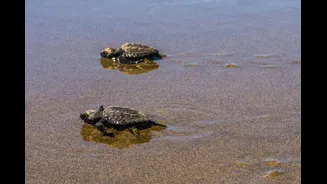
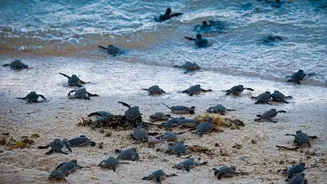
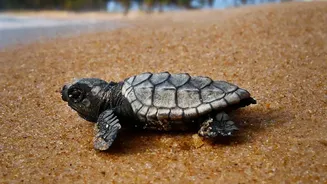
The need for enhanced protection stems from a range of threats, both natural and human-caused. While predators like dogs and birds pose a risk to eggs and hatchlings, the most significant dangers are man-made. Coastal development, leading to habitat loss, is a primary concern. The artificial lights and noise from bustling beach shacks and resorts can deter female turtles from nesting and misdirect hatchlings, who instinctively move towards the brightest horizon—which should be the moonlit sea. Discarded 'ghost' fishing nets and other plastic debris pose a deadly entanglement and ingestion risk for turtles of all ages. Furthermore, accidental capture in fishing trawlers, known as bycatch, remains a major cause of mortality, which authorities are trying to mitigate through the mandatory use of Turtle Excluder Devices (TEDs).
A Delicate Balance: Tourism, Livelihoods, and Turtles
The proposal has sparked a conversation about the balance between conservation and Goa’s tourism-dependent economy. While there is broad agreement on the importance of protecting the turtles, stakeholders like shack owners and traditional fishermen have voiced concerns. They seek clarity on how the new rules would affect their livelihoods, particularly during the crucial tourist season. Conservationists and authorities argue that ecotourism and conservation can coexist. The Forest Department, often with the help of local volunteers and NGOs, already operates hatcheries on beaches like Agonda and Galgibaga. In these protected enclosures, eggs laid in vulnerable spots are relocated and monitored until the hatchlings emerge and can be safely released into the ocean, an event that itself can be a responsible tourist attraction.