




An Unprecedented Order Book
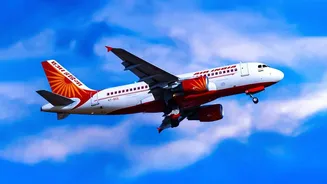
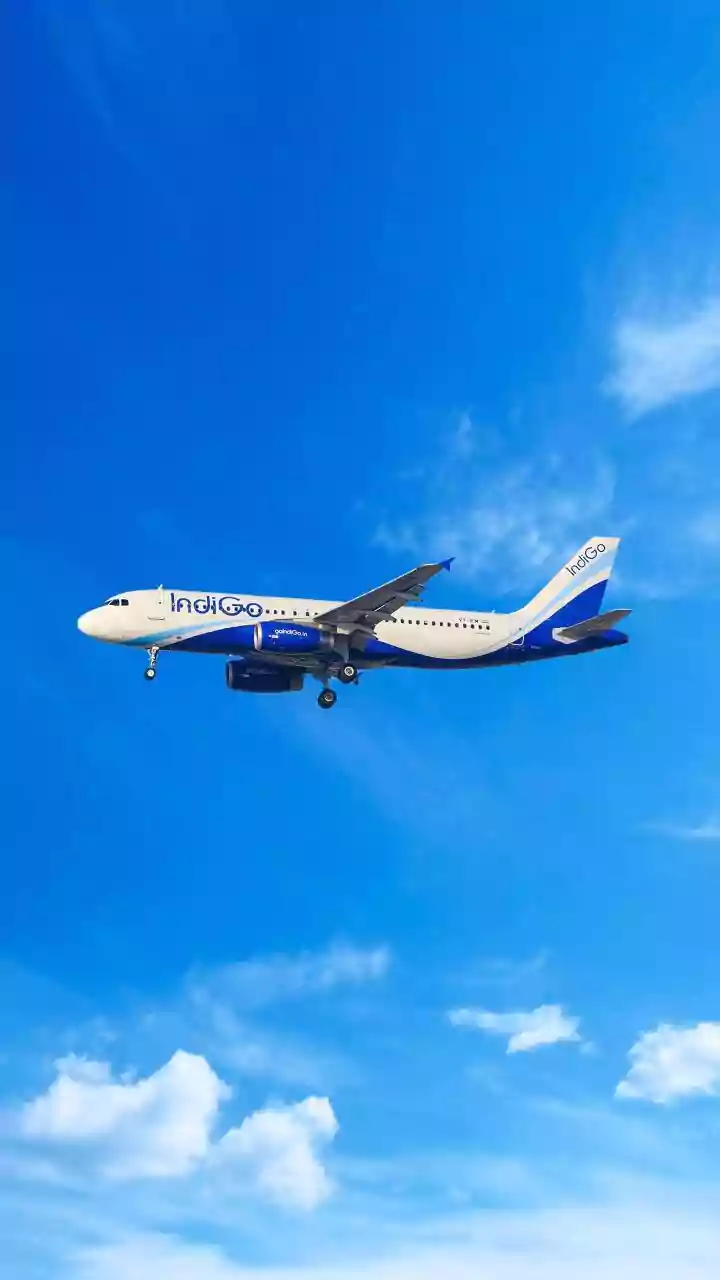
India is one of the world's fastest-growing aviation markets, with a projected annual fleet growth rate of 7.1% through 2036. To cater to this surging demand, Indian carriers like IndiGo, Air India, and Akasa Air have gone on a historic shopping spree.
In recent years, they have placed firm orders for over 1,200 aircraft from global giants Airbus and Boeing. These deals, including some of the largest in aviation history, signal an aggressive expansion strategy aimed at increasing domestic connectivity and growing international routes. Speaking in Egypt, Minister Goyal noted that the country's total requirement is likely over 2,000 aircraft, suggesting that another 1,000 planes could be ordered soon to meet the burgeoning demand for air travel.
A Reality Check from the Minister
While the order numbers are impressive, Piyush Goyal's recent comments have drawn attention to a pressing issue: a significant and widening gap between the number of planes ordered and the number being delivered. Describing the situation as an 'acute' shortage, the minister stated that the government is actively pursuing manufacturers for faster supplies. His statement frames the issue not just as a commercial problem for airlines, but as a national constraint that could hamper economic growth and connectivity. The call for accelerated deliveries underscores the urgency, as the pace of fleet expansion is failing to keep up with passenger traffic growth.
The Global Production Bottleneck
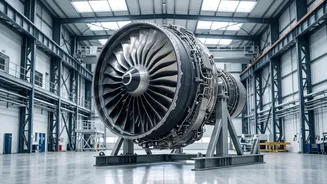
The delivery delays are not unique to India but are part of a global phenomenon. Both Airbus and Boeing are grappling with immense backlogs, with a combined total of over 15,000 aircraft on order globally. Aircraft manufacturing relies on a complex global supply chain that is currently under severe strain. Key issues include persistent shortages of critical components like engines, labour shortfalls, and quality control challenges that have forced manufacturers to slow down production rates. For example, issues with Pratt & Whitney engines have grounded some Airbus A320neo aircraft, while increased regulatory scrutiny has impacted Boeing's output. These production constraints mean that even with firm orders, airlines worldwide are facing long waits, with some delivery schedules for Indian carriers stretching out as far as 2034.
The Impact on India's Aviation Goals
This gap between ambition and reality has tangible consequences. For passengers, a shortage of aircraft can lead to higher airfares, fewer flight options, and capacity constraints during peak seasons, as demand outstrips supply. For airlines, it cripples their ability to launch new routes and fully capitalise on the rising tide of travellers. It forces them to operate older, less fuel-efficient aircraft for longer, which increases maintenance costs and can impact profitability. Ultimately, the delivery crunch threatens to slow the momentum of India's aviation sector, potentially delaying its ambition to become a major global aviation hub. The government is exploring measures to ease the strain, including improving aircraft leasing and financing options.