







Booking vs. Visa: Two Separate Worlds
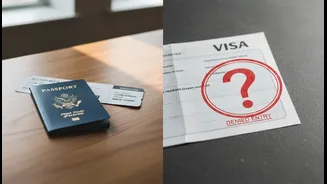
It's the most common and dangerous assumption in travel: that your booking and your visa are connected. They are not. A booking—whether for a flight, hotel, or tour—is a commercial agreement with a private company. These agreements often have built-in
flexibility. A visa, however, is a formal, legal permission granted by a sovereign government. It is rigid and its conditions are not negotiable. An airline might happily rebook you on a different flight for a small fee, but a government immigration authority will not be so flexible if that change violates the terms of your entry. Understanding this separation is the first step to avoiding a travel catastrophe.
How a Simple Change Can Invalidate Your Visa
A seemingly minor adjustment to your travel plans can have major consequences for your visa's validity. For many visa applications, you submit a detailed itinerary. The visa is then granted based on that specific plan. If you alter it, you risk creating a mismatch. For example, Schengen visas are typically issued by the country where you'll spend the most time. If you change your hotel bookings and your main destination shifts from, say, Italy to France, you could be accused of 'visa shopping' and face tough questions at the border. Similarly, changing your port of entry can be a red flag for immigration officials. They might question why you're entering through a different country than the one you declared on your application. Even extending your stay by a single day, if it exceeds the duration permitted on your visa sticker, can result in fines or future travel bans.
The E-Visa and Itinerary Link
Electronic visas (e-Visas) and Electronic Travel Authorizations (ETAs) have made travel easier, but they often come with hidden digital strings attached. Many of these systems link your approval directly to the specific flight numbers, dates, and ports of entry you provided in your online application. If an airline changes your flight, even by a few hours, the new flight number might not match the one in the immigration system. An Indian e-Visa, for example, is tied to the information submitted online. At check-in or upon arrival, an automated system might flag this discrepancy, potentially leading to a denied boarding or entry. The convenience of an e-Visa is based on data matching, and it's the traveller's responsibility to ensure that data remains accurate.
Your Pre-Travel Verification Checklist
Before you accept any change to your itinerary, or if your plans evolve after your visa is issued, work through this checklist: 1. Read Your Visa Sticker Carefully: Don't just look at the dates. Check the number of entries allowed, the exact period of validity (from/to), and the maximum duration of stay. 2. Review Your Original Application: Look at the flight and hotel itinerary you submitted. How significantly does the proposed change deviate from it? A one-day shift is different from changing your main destination country entirely. 3. Check Official Government Sources: Go to the embassy or immigration website for the country you are visiting. Do not rely on forums or a travel agent's casual advice. The government that issued the visa is the only authority on its rules. 4. Keep All Documentation: If an airline forces a change upon you, save the email or notification. This documentation can help you explain the situation to a border agent if questions arise. 5. When in Doubt, Ask: If the change is significant, consider contacting the embassy or consulate that issued the visa. It's better to seek clarification beforehand than to be denied entry upon arrival.
Who Holds the Final Responsibility?
Airlines and travel agents might offer advice, but the legal responsibility for holding a valid visa and adhering to its conditions rests solely with the traveller. An airline's primary concern is getting you on a plane; they are not immigration law experts. Many embassies even explicitly state that you should not purchase non-refundable tickets until your visa is approved, acknowledging that plans are not final until the visa is in hand. This underscores the principle that the visa process is separate from your commercial bookings. Treat your visa as the rulebook for your trip. Your bookings are how you choose to play the game, but you must always stay within the lines drawn by the visa.