


More Than Just Fatigue
Iron deficiency isn't just about feeling a bit run down. It's a condition where your blood lacks adequate healthy red blood cells to carry oxygen to your body's tissues. This can lead to persistent fatigue, weakness, pale skin, shortness of breath, and
even poor concentration. In India, this is a significant public health concern, with national surveys revealing that a large percentage of women and children are affected. While the reasons are complex, a major factor is a diet that, while potentially containing iron, doesn't allow the body to absorb it effectively. This is especially true for plant-based diets, which are common across the country.
The Science of Synergy
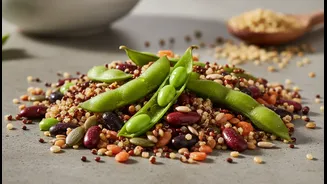
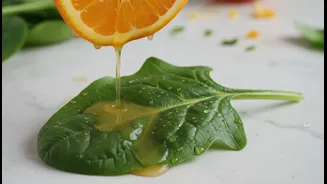
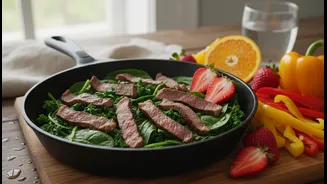
Dietary iron comes in two forms: heme iron from animal sources (like meat and fish) and non-heme iron from plant sources (like lentils, beans, and leafy greens). Our bodies find it much easier to absorb heme iron. Non-heme iron, which makes up the bulk of iron intake for most vegetarians, is trickier for the body to use. This is where Vitamin C comes in. This powerful nutrient acts like a key, unlocking non-heme iron and making it more available for your body to absorb. Scientifically, Vitamin C converts the iron into a form that is more easily taken up by your intestines. Simply adding a source of Vitamin C to a plant-based, iron-rich meal can increase absorption significantly.
Power Pairings for Your Plate
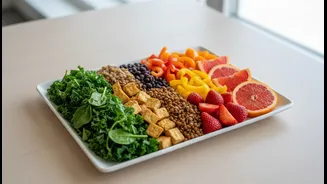
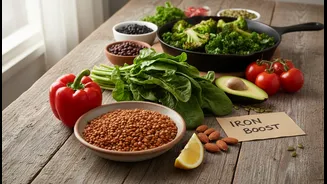
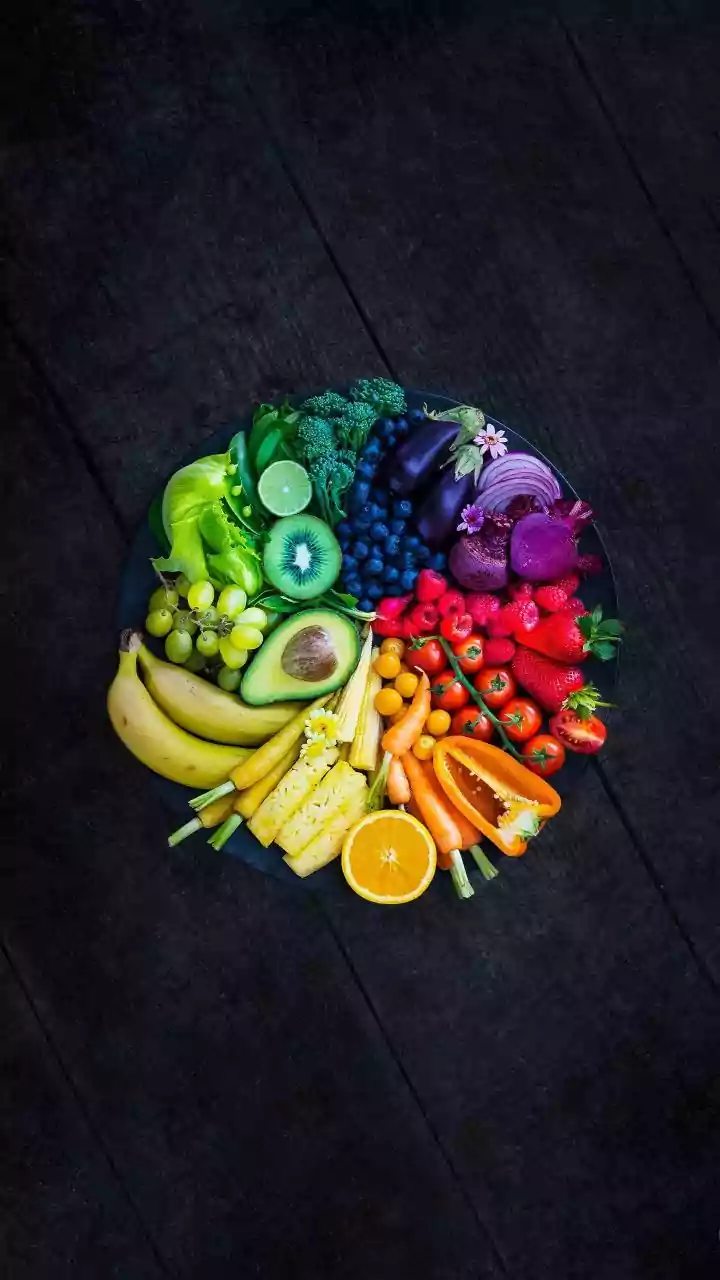
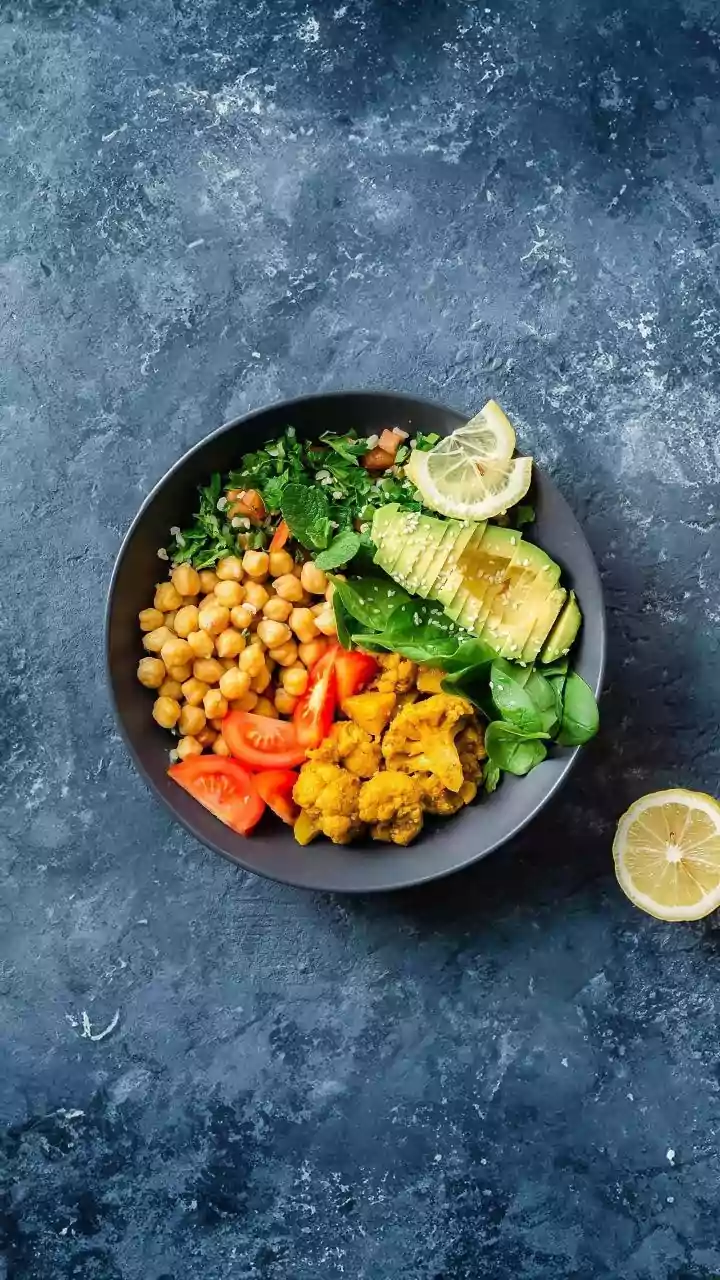
Making this science work for you is easy and delicious. The goal is to combine a non-heme iron source with a Vitamin C-rich food in the same meal. Think of it as creating a nutritional partnership on your plate. Many traditional Indian food habits already do this instinctively. For example, squeezing lemon or lime juice over a bowl of dal is a classic move that dramatically boosts the iron you get from the lentils. When making chana masala, the tomatoes in the gravy provide the Vitamin C needed to absorb the iron from the chickpeas. Another classic pairing is spinach with tomatoes; the Vitamin C in the tomatoes helps unlock the iron in the spinach.
Everyday Indian Meal Ideas
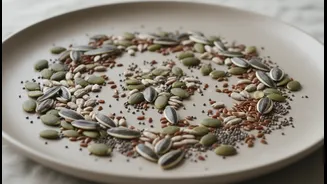
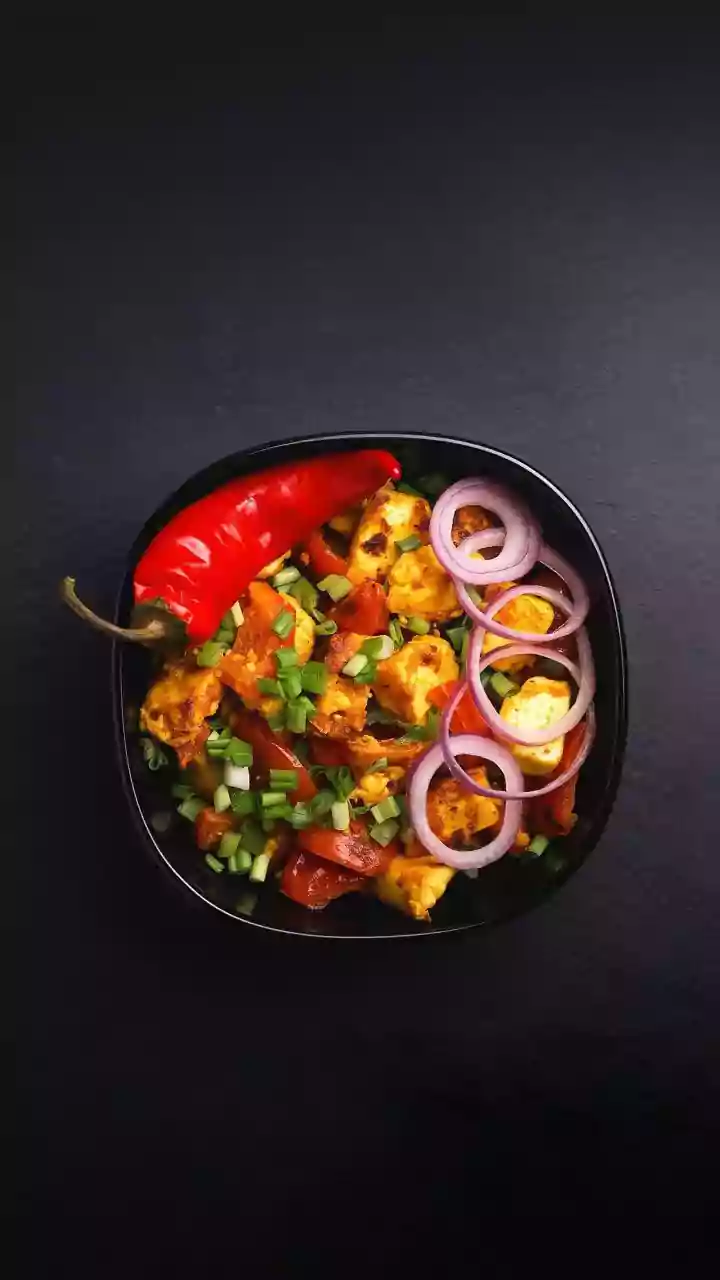
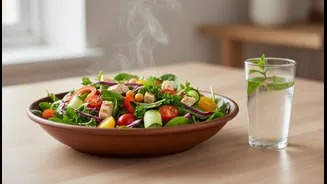
Let's apply this to daily meals. For breakfast, a vegetable poha loaded with peas and topped with a generous squeeze of lemon is a perfect start. For lunch, a simple dal-rice combo becomes an iron-boosting meal with a side of tomato and cucumber salad or a kachumber with lemon dressing. When you make vegetable sabzi, be sure to include Vitamin C-rich ingredients like capsicum (bell peppers), tomatoes, or cauliflower alongside iron-rich greens or beans. Even your snacks can be optimized. A handful of nuts and seeds with a side of amla or a fresh guava provides a great combination of iron and Vitamin C.
What to Keep Separate
Just as some foods enhance iron absorption, others can block it. The main culprits are tannins found in tea and coffee, and calcium from dairy products. These compounds can significantly reduce your body's ability to absorb iron from a meal. This doesn't mean you have to give them up, but timing is key. Try to avoid drinking your morning chai or coffee with your iron-rich breakfast. Instead, have it at least an hour before or after your meal. Similarly, if you're having a meal specifically to boost iron, like a lentil soup, it might be best to have your glass of milk or bowl of dahi at a different time of day.