


LEMS-SP: A Lunar Weather Station
One of the most significant challenges of living on the Moon is the harsh environment. Unlike Earth, the Moon has no thick atmosphere to protect it from micrometeoroid impacts or to regulate temperature. To get a handle on the day-to-day conditions, NASA
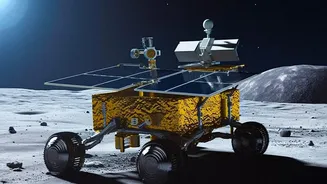
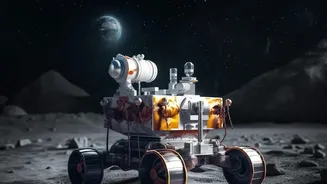
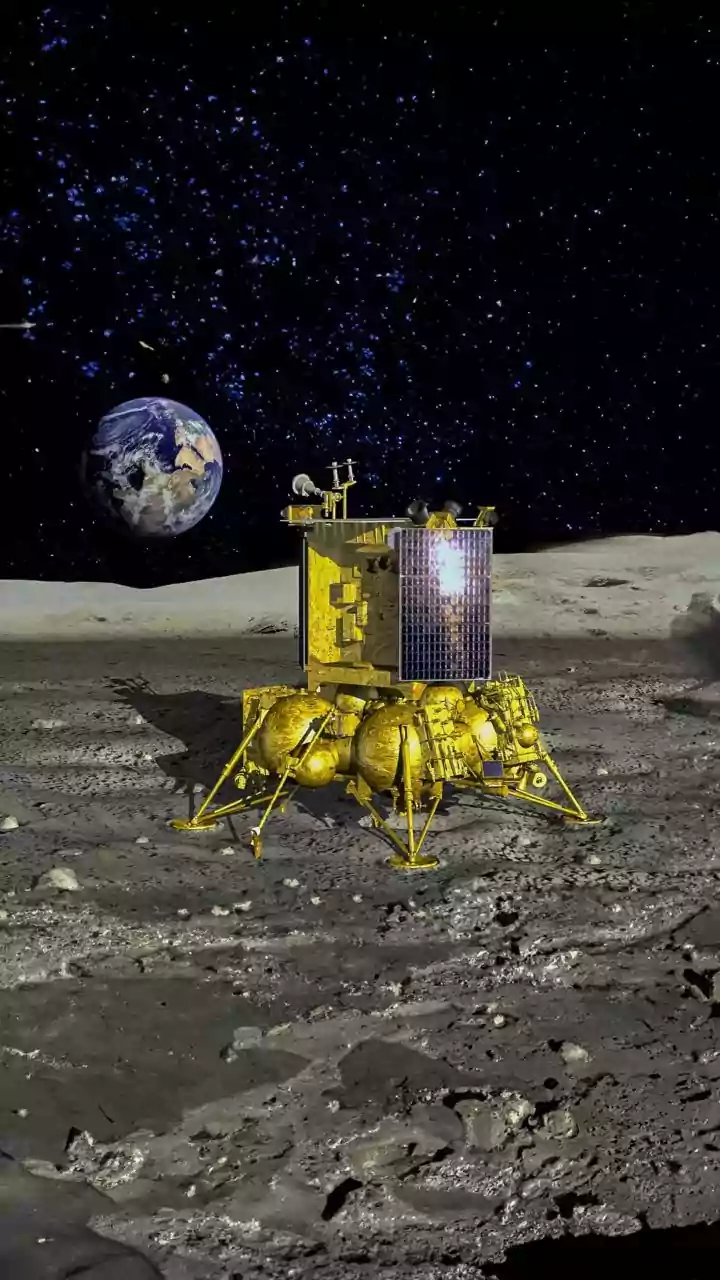
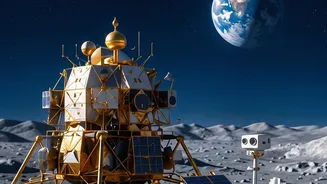
is sending the Lunar Environment Monitoring Station – South Pole (LEMS-SP). Think of it as a long-duration robotic weather station. LEMS-SP is an autonomous suite of instruments designed to operate over an extended period, gathering data on the Moon's seismic activity, tracking micrometeoroids, and monitoring the strange behavior of volatile materials—like water ice—that can turn directly into gas in the lunar vacuum. This will be placed near the lunar South Pole, a region of high interest for future bases. The data it collects will provide crucial 'ground truth' about potential hazards, helping engineers design safer habitats and equipment that can withstand the relentless lunar conditions.
GIMLI: Searching for Natural Shelter
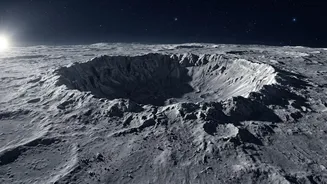
Building habitats on the lunar surface is a monumental engineering task, but what if the Moon already provides natural shelters? That's the question the Geophysical Instruments for Marius Lunar pit Investigation (GIMLI) aims to answer. This payload will be sent to the Marius Hills Pit, a large, deep hole on the lunar surface that scientists believe could be a 'skylight' into an underground lava tube. These subterranean caverns, formed by ancient volcanic activity, could offer astronauts pre-made shelters shielded from the extreme temperature swings, harmful solar radiation, and constant micrometeoroid strikes that plague the surface. GIMLI will use geophysical instruments to scan beneath the surface and determine if the pit is indeed an entrance to a vast, stable cave system. If successful, this investigation could pinpoint the location of the first off-world human settlement, trading constructed habitats for the natural safety of a lunar cave.
DISCO: Hunting for Water Ice
For any long-term settlement, access to local resources is key. On the Moon, the most valuable resource is water. The Depth Imager with Spectral and Color Optics (DISCO) investigation is tasked with finding it. Scientists believe water ice may be hidden in 'micro-cold traps'—small, permanently shadowed areas where temperatures are low enough for ice to persist for billions of years. DISCO will provide the first direct, on-the-ground measurements of this ice, mapping out where it is and how much is there. But DISCO is doing more than just hunting for water. It will also study the physical properties of the lunar soil, or regolith, to see how it's disturbed by rocket exhaust and how stable it is for rovers and construction. Understanding how to safely operate on the lunar surface while also locating accessible water ice is fundamental to 'living off the land'. The data will help NASA develop the technologies needed to extract this ice and potentially convert it into drinking water, breathable air, and even rocket fuel.