

The Vision: Democratising the Skies
At the heart of this transformation is the Ude Desh ka Aam Naagrik (UDAN) scheme, a regional connectivity initiative launched by the Ministry of Civil Aviation. Its core mission is simple yet profound: to make air travel affordable and accessible for the common
citizen, connecting a web of underserved towns and cities across the country. The scheme works by providing viability gap funding (VGF) to airlines, essentially a subsidy that allows them to operate on routes that might not otherwise be commercially viable. This support has enabled airlines to cap fares on a percentage of seats, bringing flight costs down significantly and reviving dozens of regional airports.
The Amphibious Advantage: Why Seaplanes?
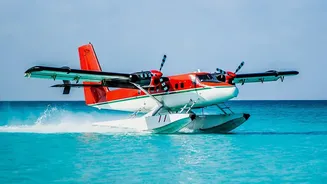
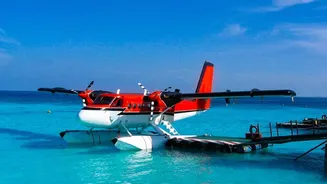
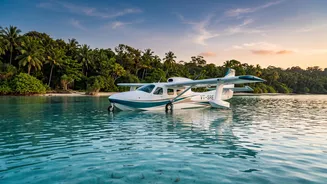
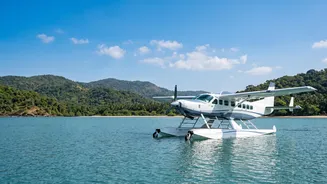
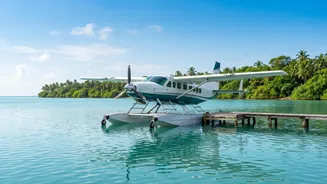
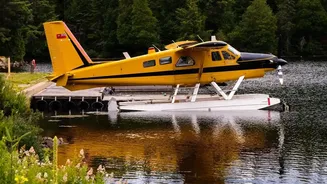
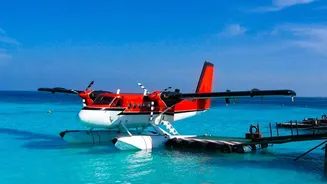
While UDAN has successfully activated many traditional airports, its most innovative leap has been the inclusion of seaplanes. These versatile aircraft can take off from and land on water, eliminating the need for costly and land-intensive runways. Any water body of sufficient length and depth can potentially serve as an aerodrome, instantly opening up vast stretches of India’s 7,500-kilometre coastline, numerous rivers, lakes, and reservoirs to air connectivity. This turns every suitable river into a potential runway, dramatically expanding the reach of aviation into areas previously considered too remote or geographically challenging for conventional airports. The goal is to provide last-mile connectivity to drive tourism and economic growth.
Mapping the New Waterways
Under the UDAN scheme, the government has identified and awarded numerous seaplane routes and water aerodromes across the country. The first of these to be operationalised was the route connecting the Sabarmati Riverfront in Ahmedabad to the Statue of Unity in Kevadia, Gujarat, launched in October 2020. While this service was later suspended, it served as a crucial proof of concept. Today, the focus has expanded to high-potential tourist zones. Proposed routes and water aerodromes are planned for the Andaman & Nicobar Islands (connecting Port Blair, Havelock, and Neil Island), the Lakshadweep islands (connecting Kavaratti and Agatti), and several locations in Assam and Kerala. In Kerala, for instance, dozens of routes have been approved to link airports with backwaters and hill station reservoirs, potentially cutting a four-hour road journey to just minutes.
A Ripple Effect on Tourism
The primary beneficiary of this expanded connectivity is the tourism sector. Seaplanes offer a direct gateway to waterfront retreats, island resorts, and religious destinations that were previously hard to reach. Imagine flying directly into the backwaters of Kerala, landing on a reservoir near a Munnar tea estate, or hopping between the idyllic islands of Lakshadweep. This not only saves significant travel time but also provides a unique, scenic travel experience that is an attraction in itself. For travellers, it means less time on congested roads and more time enjoying their destination. For local economies, it promises an influx of tourists, the creation of new jobs, and the development of previously inaccessible areas.
Navigating Future Challenges
Despite the immense potential, the journey for seaplane operations in India has faced turbulence. Past attempts have been hampered by high operational costs, a lack of trained pilots, and complex regulatory and security hurdles. The commercial viability remains a significant challenge, as services must attract consistent passenger traffic beyond the initial novelty. Weather, especially the monsoon season, can also constrain year-round operations. However, the government has been working to simplify guidelines for waterdromes and pilot training to encourage private operators. Companies like SkyHop Aviation are making strides, planning a dedicated network starting with Lakshadweep and even exploring electric seaplanes for a sustainable future.