






A Modern Twist on an Old Tradition
For many of us, the smell of fresh soil or the sight of a kitchen garden brings back memories of our grandparents' homes. Growing your own food isn't a new concept in India; it's a practice woven into our cultural fabric. What we're seeing today is a revival,
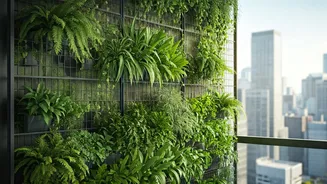
a modern reinterpretation of this tradition. The 'again' in the trend is key. This isn't a foreign import but a return to our roots, adapted for the constraints and opportunities of modern urban life. People are rediscovering the wisdom of traditional farming—companion planting, natural pest control, and composting—and applying it to their balconies in Bengaluru, terraces in Delhi, and even vertical gardens in compact Mumbai apartments. It’s a connection to a simpler, more self-sufficient past, reimagined for a complex present.
The Search for Safe and Healthy Food
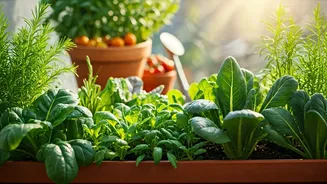
One of the most powerful drivers of this trend is health. Reports about pesticide-laden vegetables and artificially ripened fruits have made many consumers wary. The desire for safe, nutritious, and chemical-free food has never been stronger. Eco-gardening offers a direct solution. When you grow your own bhindi or palak, you control exactly what goes into the soil and onto your plate. There’s a profound peace of mind that comes from harvesting a tomato that you know is free from harmful chemicals. This pursuit of wellness extends beyond physical health. The act of gardening itself—nurturing a plant from seed to harvest—has been shown to be a powerful stress reliever, offering a much-needed mental escape from the pressures of city living.
Urban Spaces Reimagined
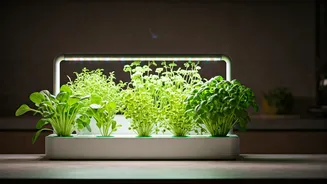
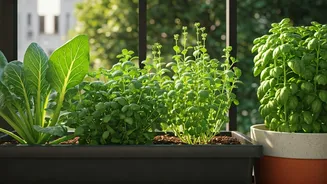
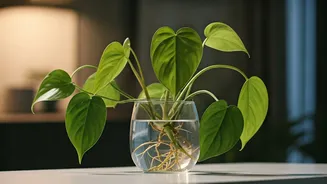
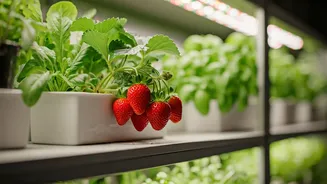
A few years ago, a balcony was just a place to dry clothes. Today, it’s a potential farm. The eco-gardening trend has been fuelled by innovation in utilizing small urban spaces. From vertical wall planters and hanging pots to compact hydroponic systems, it's now possible to grow a surprising amount of food in a very small footprint. This has democratised gardening, making it accessible even to those without a traditional backyard. Furthermore, a vibrant ecosystem of startups and online communities has emerged, providing seeds, organic fertilisers, know-how, and a sense of community. These platforms make it easier than ever for a novice to get started, sharing tips on everything from dealing with pests in a humid climate to choosing vegetables that thrive in pots.
Growing Climate Consciousness
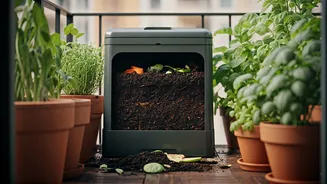
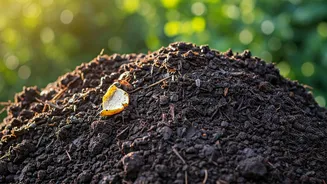
The conversation around climate change is no longer abstract. Young, urban Indians are increasingly aware of their carbon footprint and the environmental cost of their consumption choices. Eco-gardening has become a tangible way to take positive action. Growing food at home reduces 'food miles'—the distance food travels from farm to plate, which is a major contributor to carbon emissions. It also encourages composting, which diverts kitchen waste from landfills and turns it into valuable nutrient-rich soil for plants. This creates a closed-loop system within the home that is both sustainable and deeply satisfying. It’s a small but meaningful step towards living in greater harmony with the environment.
It Simply Makes Economic Sense
While passion and principles are major drivers, let's not overlook the simple economics. With the prices of fresh produce, especially organic varieties, steadily rising, growing your own can lead to tangible savings. A one-time investment in a few pots, soil, and seeds can yield a continuous supply of fresh herbs, chillies, and basic vegetables. The satisfaction of snipping fresh coriander for your dal, completely free of cost, is immense. In an uncertain economic climate, this element of self-sufficiency, however small, is empowering. It’s not about replacing your grocery store runs entirely, but about supplementing them with the freshest possible produce, straight from your own personal green patch.