






A City Held Hostage by Heat
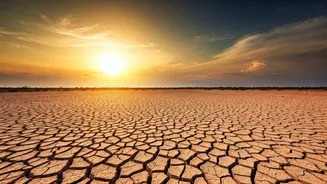
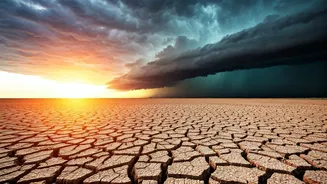
The numbers themselves are oppressive. On Sunday, June 28th, Delhi recorded its warmest morning in two years, with the minimum temperature refusing to drop below 31.1 degrees Celsius, over three notches above normal. The day brought no relief, as maximum
temperatures climbed to 41.8 degrees, officially pushing the city into a heatwave. But the real story lies in the ‘feels-like’ temperature, a metric that combines heat and humidity. That figure soared to a brutal 50.7 degrees Celsius, creating conditions that are not just uncomfortable but dangerous. High humidity, ranging from 37% to 70%, has prevented the body from cooling itself effectively, turning the simple act of being outside into a significant health risk.
The Monsoon's Much-Awaited Arrival
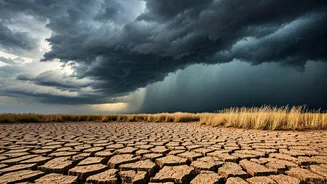
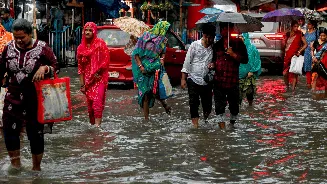
The source of this city-wide angst is the delayed arrival of the southwest monsoon, which normally reaches the capital around June 27th. This year, a combination of factors has stalled its progress. According to meteorologists, a mix of dry westerly winds from Pakistan and moisture-laden southwesterly winds from the Arabian Sea has created a frustrating atmospheric standoff. This interaction generates high temperatures and oppressive humidity but lacks the sufficient moisture needed for widespread, cooling rains. Furthermore, the weather systems that typically form over the Bay of Bengal and pull the monsoon trough northward have been absent, leaving it pinned far to the south. A developing El Nino in the Pacific Ocean is also seen as a contributing factor, known for weakening the monsoon flow.
The Strain on Urban Life
This relentless weather pattern is placing an enormous strain on Delhi's infrastructure. The city's peak power demand has soared to record levels as residents run air conditioners and coolers around the clock in a desperate bid for relief. This has led to unscheduled power outages in several areas due to overloaded transformers and stressed distribution networks. The water supply is also under immense pressure. The Delhi Jal Board's treatment plants are struggling to meet the surging demand, a situation worsened by the low flow of the Yamuna river. For many, especially in unauthorized colonies, daily life is defined by long queues for water tankers, which are often irregular and delayed. The heat is also a direct threat to public health, with hospitals on alert for a rise in cases of dehydration and heatstroke.
Coping in the Concrete Jungle
In response, both citizens and the government are adapting. The Delhi government has activated its Heat Wave Action Plan for 2026, which includes setting up 'cool rooms' in hospitals, deploying mobile heat relief units, and distributing drinking water and ORS. For the city's most vulnerable, such as construction workers, measures include halting outdoor work during the peak afternoon hours. For millions of others, life has moved indoors. Malls and other air-conditioned public spaces have become daytime refuges. At home, the hum of ACs and coolers is constant, a soundtrack to the city's collective effort to endure. For those without access to such comforts, the nights offer little respite, as concrete buildings radiate the heat they absorbed during the day.
When Will the Skies Finally Break?
All eyes are now on the India Meteorological Department (IMD) forecast. The latest predictions suggest that conditions are becoming favourable for the monsoon to advance over the next five to six days. The new expected arrival date for the first proper monsoon showers in Delhi is around July 4th. While there may be some thunderstorms and gusty winds in the interim, which could provide temporary relief, the sustained downpour that signals the end of the oppressive heat is still a few days away. Until then, Delhi waits, its patience wearing thin, united in a singular, fervent hope for rain.