


The Diplomatic Handshake: Artemis Accords
Before any hardware can be shared, a framework for cooperation must exist. This is where the Artemis Accords come in. By signing these accords in June 2023, India joined a US-led group of nations committed to a common set of principles for peaceful and
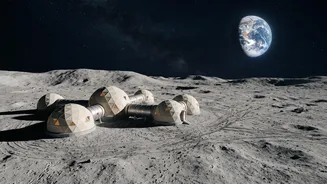
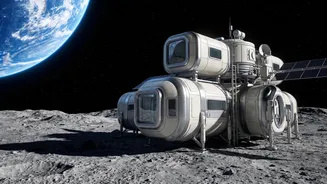
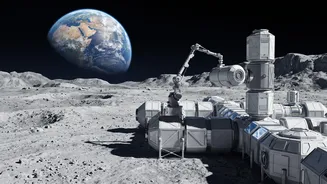
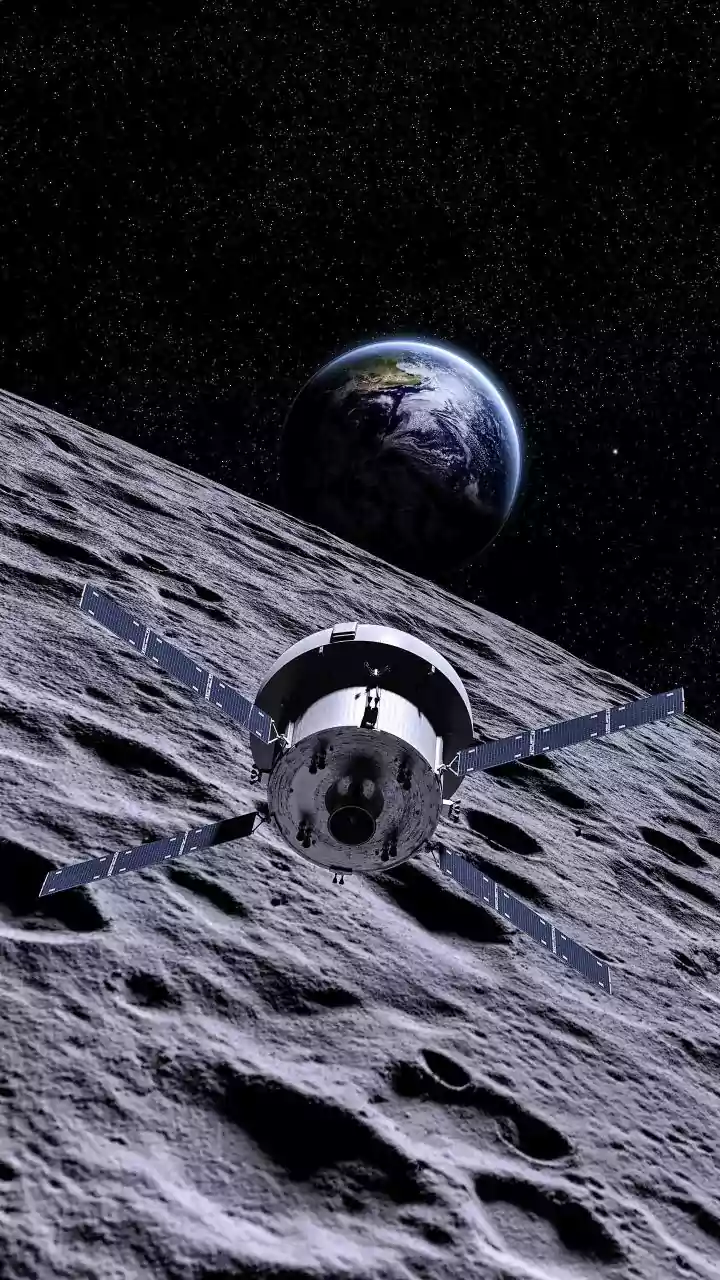
transparent space exploration. This was more than a symbolic gesture; it was the essential diplomatic key that unlocked deeper collaboration. The agreement establishes guidelines for everything from the public release of scientific data to assisting astronauts in distress, ensuring all partners are on the same page. The Accords are the foundation upon which a potential role for India in NASA's moon base, or Artemis Base Camp, is being built. In fact, NASA has already formally invited ISRO to participate.
Mastery of the Moon's South Pole
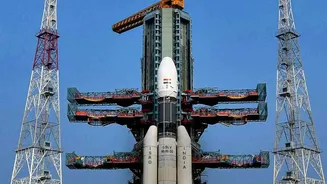
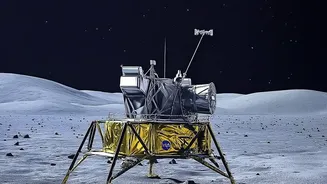
NASA's plans for a sustained lunar presence are centered on the Moon's south pole. This region is believed to hold vast reserves of water ice in permanently shadowed craters—a critical resource that can be converted into drinking water, breathable air, and rocket fuel. This is precisely where ISRO has demonstrated world-leading expertise. With the successful landing of Chandrayaan-3 in August 2023, India became the first and only nation to soft-land a spacecraft near this challenging and scientifically vital region. This gives ISRO invaluable, firsthand experience of the terrain, surface conditions, and unique challenges of operating at the lunar south pole. This direct experience is a priceless asset for an international effort aiming to build a permanent habitat there.
The 'Jugaad' Advantage: Cost-Effective Engineering
One of ISRO's most globally recognized strengths is its ability to execute complex missions at a fraction of the cost of other major space agencies. The Chandrayaan-3 mission, for instance, cost an estimated $74 million—less than many Hollywood space movies and significantly less than comparable missions from other countries. This is not about cutting corners, but about a culture of frugal innovation and maximizing resources. NASA operates with a budget many times larger than ISRO's, focusing on pushing the frontiers of technology at a massive scale. A partnership allows NASA to leverage ISRO's talent for developing reliable, low-cost systems, such as rovers, sensors, or habitat components. This cost-efficiency could help make the long-term vision of a lunar base more sustainable and affordable.
Robotics, Roaming, and Future Contributions
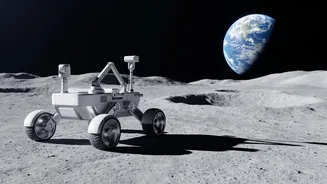
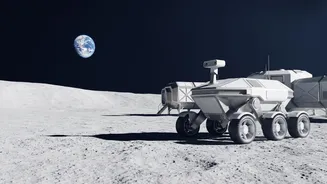
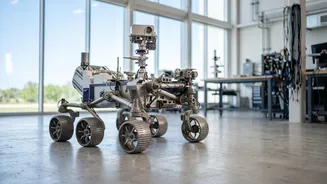
The Chandrayaan-3 mission didn't just land; it successfully deployed the Pragyan rover to explore the surface. This demonstrated proficiency in robotics and remote operations, which are central to building and maintaining a lunar outpost. Early phases of the Artemis Base Camp will rely heavily on robotic missions to map resources and deploy initial infrastructure. India's experience with rovers and its plans for future missions, such as a lunar sample return mission (Chandrayaan-4), show a clear trajectory in developing the advanced robotics needed for such tasks. A potential Indian contribution could involve developing specialized robotic systems for prospecting for water ice, deploying scientific instruments, or assisting in the construction of habitats, complementing the large-scale hardware provided by NASA and other partners.