

The Small Habit with a Big Impact
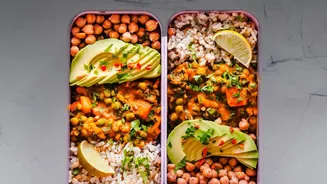
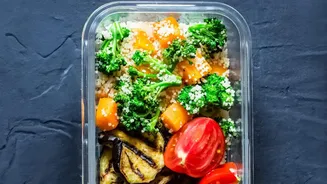
Every time you open a large container of leftovers, you expose the entire meal to air, accelerating spoilage and flavour loss. Repeatedly scooping out servings also introduces the risk of cross-contamination. By packing food in single-serving containers
right after cooking (and cooling), each portion stays sealed and fresh until you're ready to eat it. This preserves the taste and texture of your food, meaning the last portion tastes just as good as the first. It’s a minor shift in your routine that offers a major upgrade to your leftover experience, turning them from a chore into a delight.
A Win for Health, Wealth, and Time
The benefits of portioning extend far beyond just freshness. For your health, it’s an effortless way to practice portion control. When your meal is already measured out, you’re less likely to overeat. This mindful approach can support weight management goals and better digestion. Financially, it’s a powerful tool against food waste. Instead of throwing away a large pot of food that’s gone bad, you use exactly what you’ve stored, saving money on groceries in the long run. Perhaps most importantly, it saves you precious time. On a busy weekday, having a home-cooked, ready-to-heat meal is a game-changer, helping you avoid the stress of last-minute cooking or the expense of ordering takeaway.
Choosing Your Portioning Toolkit
The right containers are key to successful meal portioning. Airtight lids are non-negotiable to keep food fresh and prevent leaks or fridge odours. Glass containers are an excellent choice; they don't stain or absorb smells, and they are generally safe for use in the oven, microwave, and dishwasher. For those in India, classic stainless steel dabbas or tiffins are a durable, non-reactive, and sustainable option, especially for acidic foods like curries with tomato or tamarind. While heavier, both glass and steel are long-lasting investments. If you prefer a lighter option for portability, look for high-quality, BPA-free plastic containers that are specifically designed for food storage and are microwave-safe.
Smart Strategies for Indian Meals
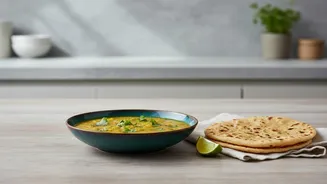
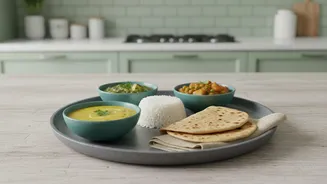
Indian cooking involves a wonderful variety of textures and components, which requires smart portioning. To avoid a soggy mess, pack wet and dry items separately. For a meal of dal and rice, use containers with dividers or two smaller, separate containers. This keeps the rice fluffy and the dal contained. Rotis or chapatis are best stored wrapped and separate from sabzis or curries to maintain their softness. For snacks, pre-portioning things like roasted makhana, nuts, or chopped fruit makes healthy choices easy to grab. You can also create 'meal kits' by chopping vegetables for a sabzi and storing them, ready to be cooked fresh later in the week.
The Golden Rules of Food Safety
Proper storage is crucial for preventing foodborne illness. Always let cooked food cool down to room temperature before sealing it in containers and refrigerating. Storing hot food directly traps steam, which creates moisture and promotes bacterial growth. As a rule, refrigerate leftovers within two hours of cooking. For better organization, label your containers with the dish name and the date it was made. Most leftovers will safely last for three to four days in the refrigerator. For longer storage, the freezer is your best friend. When you're ready to eat, reheat the food thoroughly until it is steaming hot all the way through, ideally to an internal temperature of 74°C.