




Think Technique, Not Ingredient
The key to breaking free from meal monotony is to shift your focus from the ingredient itself to the cooking method you apply. A carrot, for instance, is an entirely different experience when it's roasted until sweet and caramelised, versus when it's grated
raw into a crisp salad, or puréed into a silky soup. The same principle applies to staples in the Indian kitchen. Bottle gourd (lauki) can be cooked in a spiced yoghurt gravy for a smooth texture, or stir-fried to retain a bit of bite. By mastering a few different techniques, you empower yourself to transform a single purchase of vegetables or protein into a week's worth of varied, exciting meals.
Your Culinary Transformation Toolkit
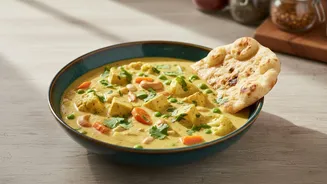
Different cooking methods use heat and moisture in unique ways to alter the texture and flavour of food. Understanding this science is like having a set of magic wands for your ingredients. Roasting and grilling use dry, high heat to create browning and intense, concentrated flavours. Sautéing and stir-frying are quick, high-heat methods perfect for tender vegetables and small pieces of protein, keeping them crisp. Braising and stewing use moist, low-and-slow heat to tenderise tougher cuts of meat and hearty vegetables, melding flavours into a rich gravy. Finally, steaming is a gentle, moist-heat method that preserves the natural texture and nutrients of delicate foods like fish and vegetables. Knowing when to use each method is fundamental to creating variety.
Shop Smart, Prep Smarter
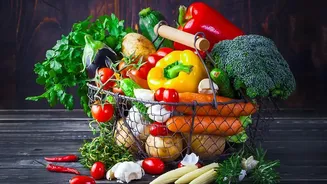
A successful, low-waste kitchen starts at the grocery store. Plan your meals for the week before you shop to ensure you buy only what you need. But instead of rigidly planning five different complex dishes, think in terms of components. Cook a large batch of a base protein like boiled chickpeas or grilled paneer. Roast a large tray of seasonal vegetables like potatoes, cauliflower, and bell peppers. Prepare a base grain like rice or quinoa. With these prepped components, assembling weeknight dinners becomes a simple mix-and-match exercise. Monday’s roasted vegetables can be tossed with pasta; on Tuesday they can be folded into a wrap with chickpeas; and on Wednesday, they can be added to a quick vegetable pulao.
The Power of Sauces and Spices
One of the easiest ways to create variation is by changing the flavour profile with different sauces and spice blends. The same grilled chicken can be served with a mint-coriander chutney one day and a creamy tomato-based makhani sauce the next. Keeping a few versatile sauces on hand, or the ingredients to make them, can be a game-changer. A simple tadka of mustard seeds and curry leaves gives a South Indian flavour, while a blend of garam masala and ginger-garlic paste provides a North Indian touch. This allows you to use the exact same base ingredients but deliver a completely different dish to the table, keeping your taste buds engaged and preventing boredom.
Embrace Creative Leftovers
Thinking of leftovers not as a repeat meal but as a new ingredient is a crucial mindset shift. Leftover dal can be kneaded into flour to make flavourful parathas. Extra rice can be transformed into crispy fried rice or tangy lemon rice. Stale bread can become croutons for soup or be ground into breadcrumbs. Designating one meal a week as a “use-it-up” meal can be a fun challenge to creatively combine whatever is remaining in your fridge. This practice not only drastically cuts down on waste but also pushes you to become a more intuitive and resourceful cook, saving money and reducing your environmental footprint.