

The Wisdom of an Ancient Practice
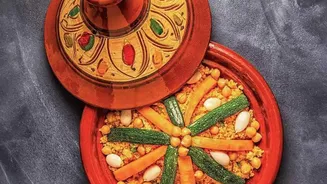
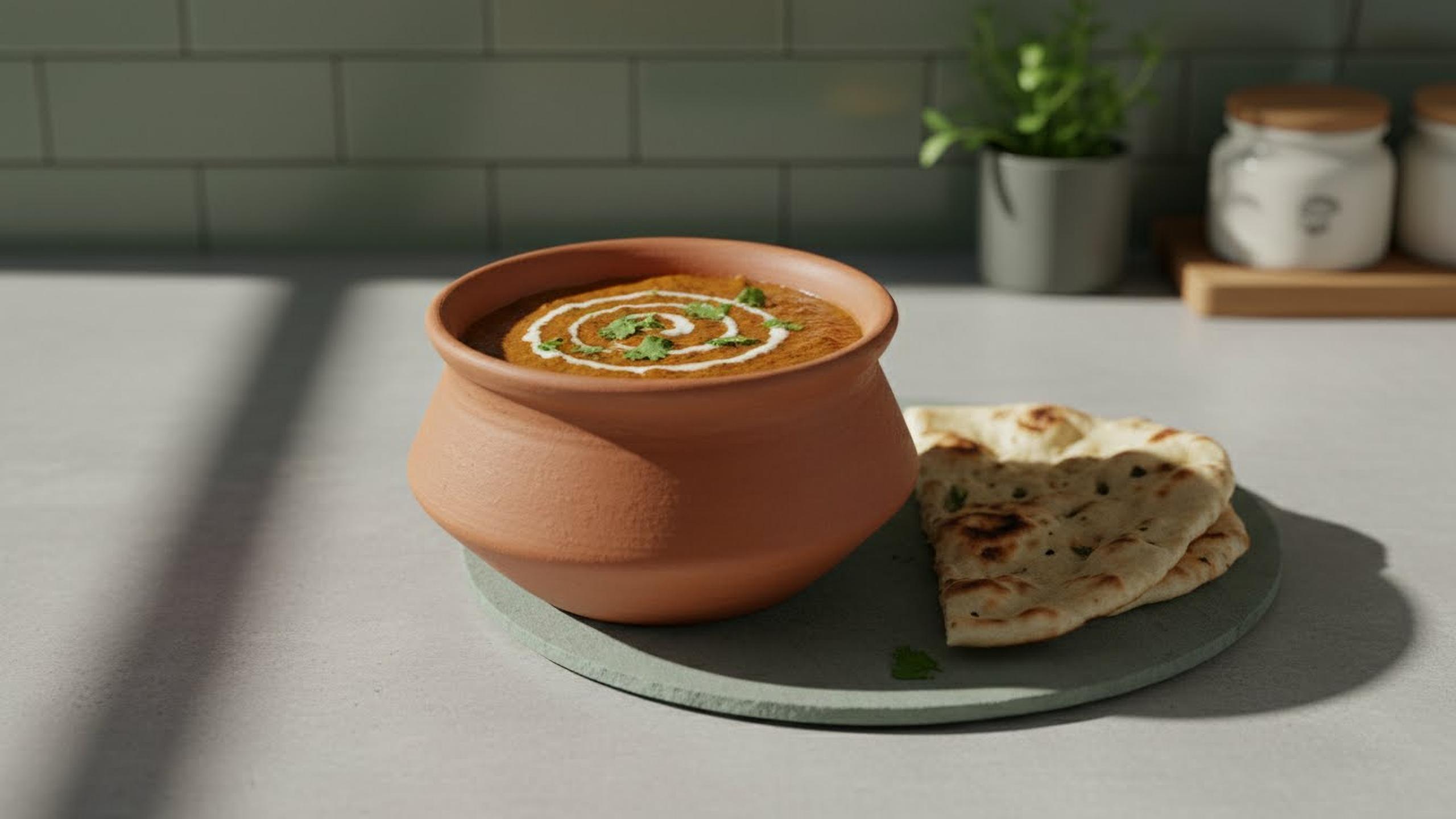
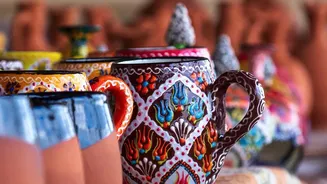
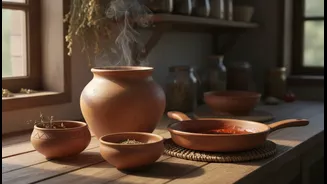
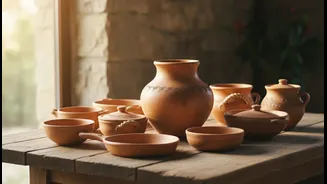
Cooking in clay pots, or 'handis' and 'matkas' as they are known in many Indian households, is a tradition that dates back thousands of years. Before stainless steel and non-stick pans filled our cabinets, earthenware was the cornerstone of the kitchen,
used for everything from simmering fragrant curries to setting thick, creamy curd. This practice wasn't just about utility; it was about a connection to the earth and a different rhythm of cooking. Today, as more people seek natural and chemical-free options, these handcrafted vessels are being welcomed back into modern homes, celebrated for their simplicity and the tangible link they provide to our culinary heritage.
The Science of Slow and Gentle Heat
The magic of clay pot cooking lies in the material itself. Clay is porous, a quality that sets it apart from metal. When a clay pot is heated, it allows heat and moisture to circulate evenly, creating a gentle, uniform cooking environment. Unlike metal pots that can create hot spots and require high heat, terracotta is a poor conductor of heat, which paradoxically becomes its greatest strength. It heats up slowly and retains that warmth for a long time, allowing food to cook gently without being scorched. This slow, steady process ensures that ingredients are cooked through perfectly, from a tender piece of meat to the softest vegetables.
Better Flavour and More Nutrients
The benefits of this slow process extend directly to your plate. The porous nature of clay allows steam to circulate within the pot, locking in moisture. This means food cooks in its own juices, resulting in dishes that are more tender and flavourful without needing excess oil or water. Furthermore, clay has natural alkaline properties. This helps to neutralize the pH balance of acidic ingredients like tomatoes, lending them a natural sweetness and making the food easier to digest. The slow cooking method also helps in retaining essential vitamins and minerals that can be lost at high temperatures, ensuring your meal is not just delicious but also more nutritious.
A Ritual of Patience and Mindfulness
Beyond the tangible benefits for your food, embracing clay pot cooking is an invitation to change your relationship with the cooking process itself. In an age of instant meals and rushed dinners, using a clay pot requires you to slow down. The process is inherently deliberate, from seasoning the pot to allowing it to heat up gradually. This act of cooking can become a form of mindfulness, a dedicated time to focus on the textures, smells, and sounds in the kitchen. It pulls your attention away from digital distractions and anchors you in the present moment, turning the preparation of a meal into a calming, restorative ritual rather than another chore to be ticked off a list.
Your Guide to Getting Started
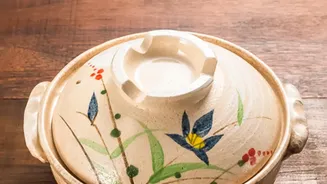
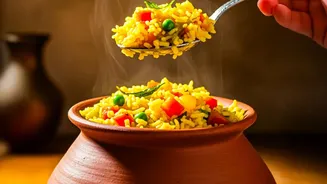
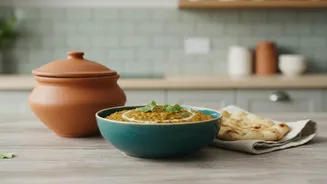
Ready to try it yourself? The first step is to 'season' your new pot to strengthen it and prevent cracking. This typically involves soaking the pot and lid in water overnight, then rubbing it with oil and heating it slowly. When cooking, always start on a low flame and increase the heat gradually to avoid thermal shock. Clay pots are perfect for 'wet' recipes like dals, curries, biryanis, and stews, which allow the pot to fully season over its first few uses. For cleaning, avoid harsh soaps, which can be absorbed by the porous clay. A simple scrub with baking soda and water is often all that is needed.