





The Power of the Pulse
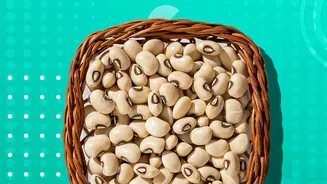
Recent scientific analyses have strengthened the link between regular consumption of pulses—the edible seeds of plants in the legume family—and better heart health. One major review published in 'BMJ Nutrition, Prevention & Health' looked at data from
over half a million people and found that those who ate the most pulses had a significantly lower risk of developing hypertension (high blood pressure) compared to those who ate the least. Pulses themselves are nutritional powerhouses. They are packed with protein, high in dietary fibre, and rich in essential minerals like potassium and magnesium, all of which are known to play a role in cardiovascular health. The fibre helps manage cholesterol, while potassium helps balance sodium levels in the body, contributing to healthier blood pressure readings.
More Than Just One Ingredient
The headline's insight, however, points to a more holistic truth: it might not just be the pulses, but the entire dietary pattern of people who regularly consume them. The research suggests that individuals who eat more beans, lentils, and peas also tend to have other healthy habits. Their diets are often richer in fruits, vegetables, and whole grains, and they may consume less red and processed meat. This broader pattern—high in plant-based foods and fibre, low in saturated fats—is what truly creates a heart-protective effect. Pulses are often a cornerstone of this healthy plate, replacing less healthy options and complementing other nutritious foods. It’s this synergy that appears to make the biggest difference in reducing the risk of hypertension.
What This Healthy Pattern Looks Like
Building a diet that supports healthy blood pressure is about creating balance. The pattern seen among regular pulse eaters is one that nutrition experts have long recommended. It prioritises whole, minimally processed foods. Think of a plate where half is filled with vegetables and fruits, a quarter with whole grains like whole-wheat roti or brown rice, and the final quarter with a protein source. Pulses fit perfectly into this protein quarter. A recent meta-analysis identified that consuming around 170 grams of pulses per day—roughly equivalent to one cup of cooked dal or beans—was associated with the greatest reduction in hypertension risk. This dietary style is naturally high in fibre, vitamins, and minerals while being lower in sodium and unhealthy fats, which are key drivers of high blood pressure.
The Indian Diet Advantage
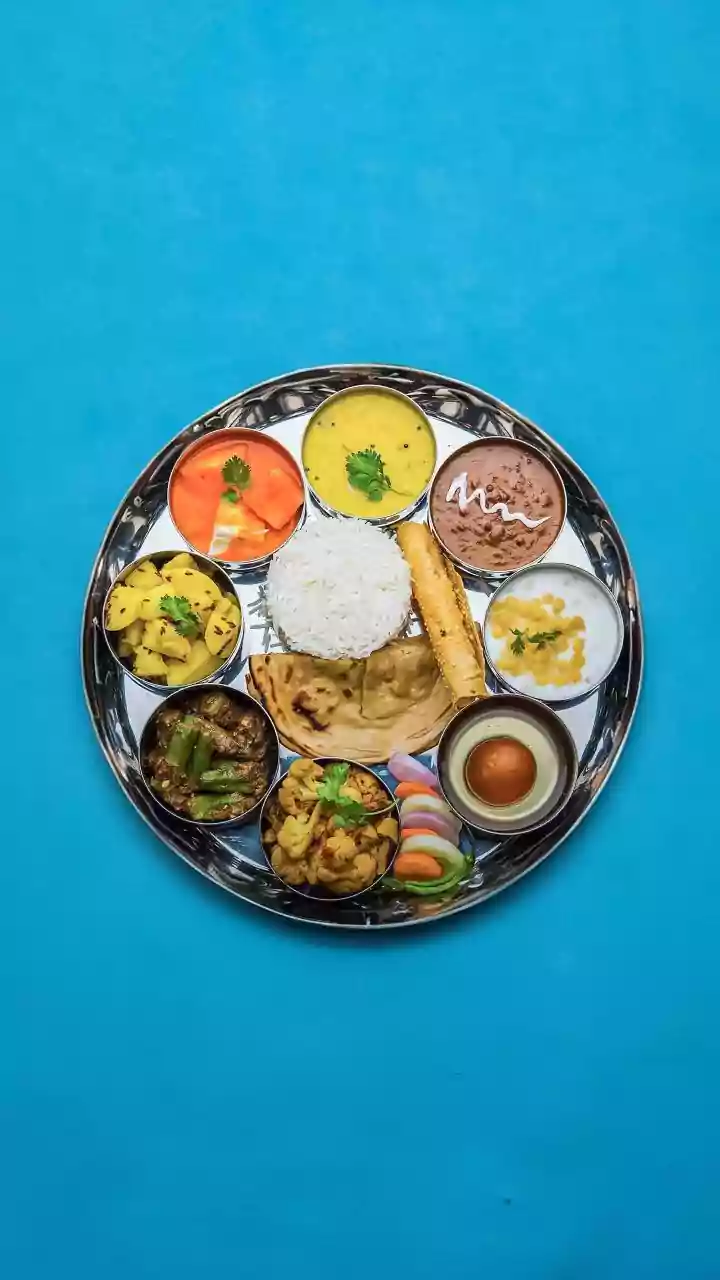
This is excellent news for those who follow a traditional Indian diet, where pulses are foundational. A typical Indian meal of dal, sabzi (vegetable curry), and roti or rice naturally aligns with this heart-healthy eating pattern. Dal provides the plant-based protein and fibre, sabzi covers the vegetable intake, and whole grains can be easily incorporated. This dietary structure is an inherent advantage, making it easier to achieve the kind of balanced plate associated with better health outcomes. The key is to lean into these traditions: prioritising homemade meals, ensuring dal or another pulse is a daily feature, and being mindful of cooking methods by limiting excess oil, ghee, and salt.
Easy Ways to Boost Your Intake
Incorporating more pulses into your diet doesn't require a complete overhaul. It's about making small, consistent choices. Start by ensuring at least one meal a day features a pulse, whether it's a hearty dal for dinner, a chana salad for lunch, or moong sprouts for breakfast. Consider swapping out a fried or processed snack for a handful of roasted chana. You can also add beans and lentils to soups, stews, and salads to boost their nutritional content without drastically changing the flavour. Using hummus, made from chickpeas, as a spread for sandwiches instead of butter or mayonnaise is another simple and delicious switch. By making these easy swaps, you not only increase your pulse consumption but also improve the overall quality of your diet, which is the ultimate goal for long-term heart health.