



The Sticky Situation Inside
High humidity is more than just a comfort issue; it's a breeding ground for problems. When the air inside your home is saturated with moisture, you might notice damp patches on walls, clothes that refuse to dry, and a persistent musty odour. This environment
is perfect for mould and mildew, which can damage your belongings and negatively affect your health, especially for those with allergies or asthma. Excess moisture can also cause wooden furniture and doors to swell and warp, and even damage electronics. The goal is to keep indoor humidity levels manageable to maintain a healthy and pleasant living space.
A Simple Guide to Humidity
To win the battle against dampness, it helps to understand the enemy. Relative humidity, the number you see on weather apps, is the amount of moisture in the air compared to the maximum it could hold at that temperature. Warm air can hold more moisture than cold air. This is why a rainy, 28°C day feels much stickier than a cool, 18°C day, even if the relative humidity is similar. The key is the dew point: the temperature at which air becomes 100% saturated and water vapor condenses into liquid. A higher dew point means there's more actual moisture in the air, which is what makes you feel muggy.
When Fresh Air Is Your Friend
Opening your windows is a great idea when the air outside is cooler and drier than the air inside. This often happens in the hours after a rainstorm has passed, especially in the early morning or late evening when temperatures drop. During these times, letting in the outside air can flush out stale, humid indoor air and replace it with fresher, less moist air. This cross-ventilation helps reduce condensation, prevents that stuffy feeling, and removes pollutants that can build up indoors. If the air outside feels crisp and pleasant, it's generally a good time to ventilate.
When Opening Windows Makes It Worse
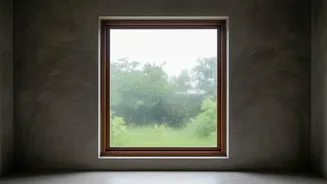
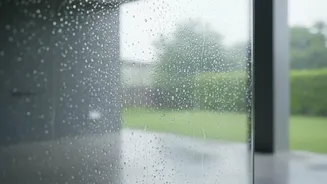
Resist the urge to open windows while it is actively raining or immediately after a heavy downpour. During these times, the outdoor relative humidity is often at or near 100%. Letting this saturated air into your cooler home will only increase your indoor humidity levels. As this outdoor air enters and comes into contact with cooler surfaces inside your house, the moisture can condense, leading to dampness on walls, floors, and windows. A good rule of thumb is if it feels stickier and more humid outside than inside, keep your windows and doors shut tight to prevent adding more moisture to your home.
Smart Tactics for A Drier Home
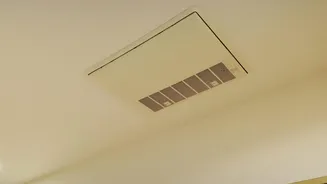
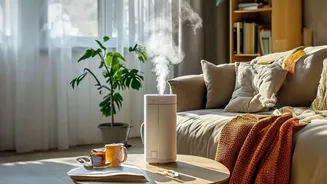
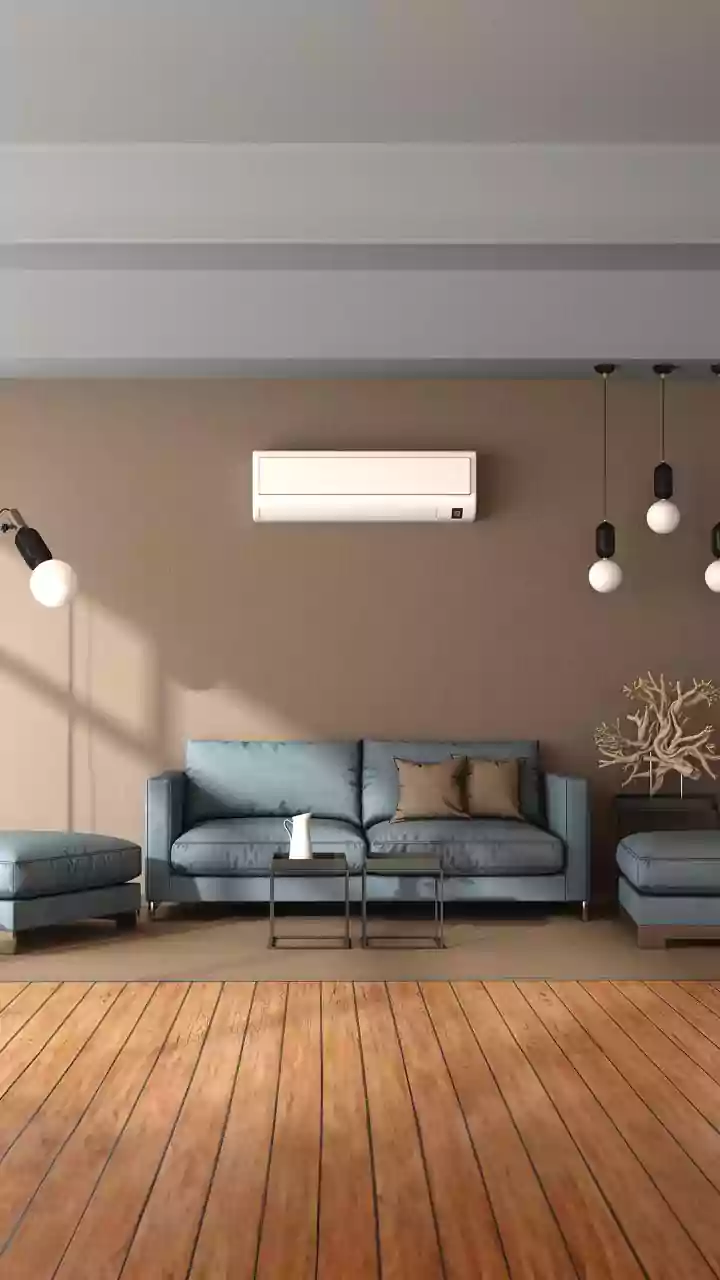
When the weather outside isn't cooperating, you have other tools at your disposal. Use exhaust fans in kitchens while cooking and in bathrooms after a shower to expel moist air directly outside. Running ceiling or table fans can improve air circulation, which helps prevent stagnant, damp pockets of air, even if it doesn't lower humidity itself. For persistent issues, a dehumidifier is an effective appliance that actively pulls moisture out of the air. In closets and cabinets, you can place moisture absorbers like silica gel packs to protect clothes and other stored items from dampness and mould.