





The ballots are counted, and the dust is settling on the 2026 US midterm elections. For global investors, the main event is just beginning as they parse the results for clues about Washington's next moves and what they mean for markets.
A Mandate for Gridlock
The election results
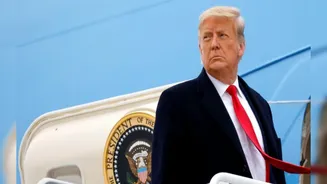
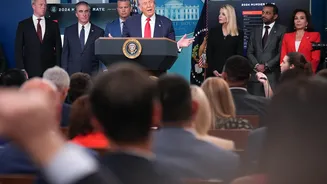
ushered in a new era of divided government, with Democrats winning control of both the House and Senate, while a Republican president remains in the White House. This outcome, which was largely anticipated by the markets, creates a political 'gridlock'. In practical terms, this means that the ability of either party to push through major, sweeping legislation will be severely constrained for the next two years. The president retains veto power, and the new Democratic majority in Congress will have the authority to shape legislation, control committee agendas, and launch investigations. This sets the stage for contentious negotiations and a political landscape where compromise will be essential, but difficult to achieve.
Why Markets Often Welcome Stalemate
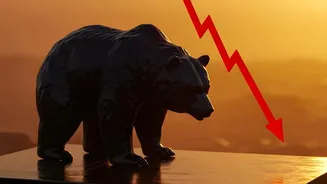
It may seem counterintuitive, but financial markets historically tend to react positively to political gridlock. The primary reason is that a divided government reduces uncertainty by making transformative policy shifts—such as significant tax hikes or sweeping new regulations—less likely. This predictability allows companies and investors to plan for the future with greater confidence. Historical data shows that stock markets have often performed well in the year following a midterm election. After some initial volatility as the results came in, US markets rallied, a sign that investors are comfortable with a scenario that limits the potential for disruptive economic changes.
Policy Pressure Points to Watch
Even with gridlock, investors are keenly watching several key policy areas where conflict or executive action could create volatility. The most immediate risk is a potential government shutdown, as funding runs out in December 2026 and will require bipartisan agreement to be extended. Looking ahead to 2027, a major battle is brewing over the US debt ceiling, which will need to be raised to avoid a default on government obligations. A partisan standoff on this issue could introduce significant market volatility. Furthermore, with legislative avenues blocked, the president may rely more heavily on executive actions, particularly in foreign policy and international trade, which could keep uncertainty high around issues like tariffs and the US-Mexico-Canada Agreement (USMCA).
Sector-Specific Tremors and Opportunities
The new political alignment will not affect all industries equally. Technology and AI-related stocks, which have been market leaders, came under pressure amid concerns of increased regulatory scrutiny and greater oversight from Democratic-led congressional committees. For India's large IT sector, this could translate to uncertainty around not just tech regulation but also US immigration policies. Conversely, a divided government may prove beneficial for sectors like healthcare by preventing major changes to existing laws. Investors are also watching the energy sector closely; increased congressional pressure on the administration's handling of the conflict with Iran could impact global oil prices, which would be a significant factor for a major importer like India.
The Global Ripple Effect for India
For investors in India, the consequences of the US midterms are felt through several channels. A divided government that struggles to pass new spending packages could reduce pressure on US Treasury issuance, potentially stabilizing bond yields. A weaker US dollar, which fell in the wake of the election, can be beneficial for emerging market currencies like the rupee. However, the biggest factor remains global capital flows. Any political instability in Washington, especially a debt ceiling crisis, could trigger a flight to safety and a selloff in emerging markets. While a divided US government is seen as broadly supportive for markets in the short term, Indian investors will continue to watch for signals that could affect FII flows, trade policies, and overall global risk appetite.