

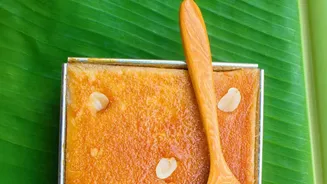
What is an Orange Pudding?
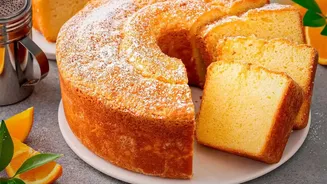
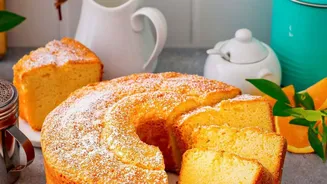
The term 'orange pudding' can refer to a few different styles of dessert. Historically, British puddings were mixtures steamed or boiled in a basin or cloth. This method creates a moist, dense, and sponge-like dessert, often turned out onto a plate and served
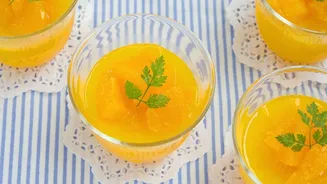
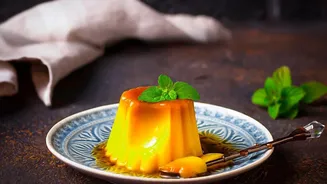
with a sauce. Another popular version is the baked 'self-saucing' pudding, where a simple batter is topped with a liquid that magically transforms into a tangy orange sauce at the bottom of the dish during baking. Finally, there's the creamy, chilled stovetop pudding, which has a texture similar to custard and is thickened with cornstarch and eggs. Each type offers a unique way to enjoy the vibrant taste of orange.
The Key Ingredients
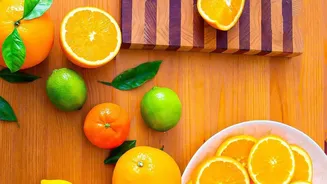
At the heart of any orange pudding are, of course, oranges. Both the zest and juice are crucial; the zest provides aromatic oils and intense citrus notes, while the juice offers a tangy, fresh flavour. Most recipes for steamed or baked puddings involve a simple batter made from pantry staples like self-raising flour, butter, sugar, and eggs. The stovetop version relies on cornstarch for thickening and eggs for richness, creating a silky-smooth texture. Some recipes enhance the flavour with golden syrup, which adds a caramel note and extra stickiness, or use ground almonds for a denser, richer crumb.
Steamed vs. Baked Puddings
The two most traditional forms are steamed and baked, each offering a distinct experience. Steamed puddings, a technique popular in households before reliable ovens were common, are cooked gently using boiling water. This method results in an incredibly moist and tender sponge. Baked puddings are often prepared as 'self-saucing' desserts. In these recipes, a cake-like batter is covered with an orange-flavoured liquid before being put in the oven. As it bakes, the sponge rises to the top, leaving a delicious, built-in sauce at the bottom of the dish.
Modern Twists on a Classic
While the classic steamed and baked versions remain popular, creative cooks have developed many variations. Some recipes incorporate almond meal for a gluten-free alternative that also adds a lovely texture. Others pair the bright citrus flavour with rich dark chocolate for a decadent combination. You can also find recipes that use a slow cooker to achieve the gentle, even heat required for steaming, making the process even simpler. For a show-stopping presentation, some cooks line the pudding basin with thinly sliced oranges, which caramelise during cooking and create a beautiful pattern when the pudding is inverted.
Tips for Pudding Perfection
To get the most out of your orange pudding, always use fresh, unwaxed oranges for the best flavour from both the juice and zest. When making a steamed pudding, ensure your basin is well-greased to prevent sticking. It's also important to cover the basin properly with pleated baking paper and foil, secured with string, to allow the pudding to expand as it cooks. For self-saucing puddings, pour the hot liquid over the back of a spoon onto the batter to avoid disturbing the layers, which is key to creating the separate sponge and sauce. And no matter which type you make, orange pudding is best served warm, often with a generous helping of cream, custard, or vanilla ice cream.