


The Foundation: Mastering the Bodyweight Squat
Before you can run, you must walk. In strength training, before you can squat heavy, you must master the bodyweight squat. This fundamental movement pattern is something we do every day when sitting and standing. Performing it with intention builds strength in your
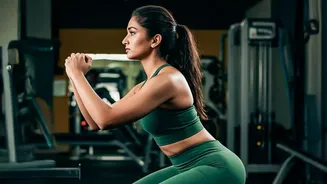
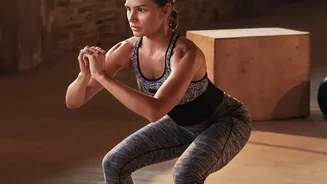
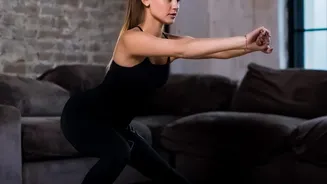
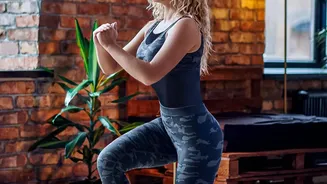
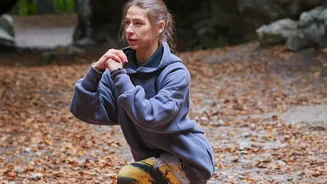
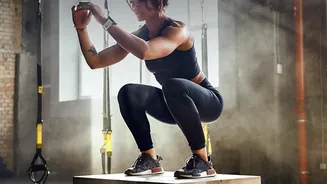
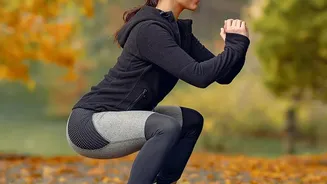
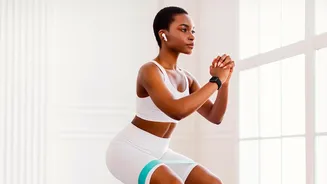
quadriceps, glutes, and hamstrings. To start, stand with your feet slightly wider than shoulder-width, toes pointing slightly outward. Keep your chest up and core engaged. Initiate the movement by pushing your hips back as if sitting in a chair, then bend your knees. Lower yourself until your thighs are parallel to the ground, or as low as you can comfortably go while maintaining good form. Your heels should stay flat on the floor. Press through your feet to return to the starting position.
Common Squat Mistakes to Avoid
Proper form is crucial to get results and prevent injury. A frequent error is letting the knees cave inward during the movement. To correct this, actively think about pushing your knees out so they track in line with your feet. Another mistake is rounding your back. Keep your chest lifted and your spine neutral to protect your lower back. Finally, avoid rising onto your toes. This often indicates tight ankles and shifts stress to your knees. If you find your heels lifting, focus on pushing your hips back further and work on your ankle mobility.
Squat Progression: Easy to Advanced
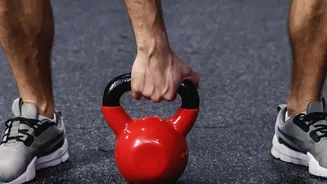
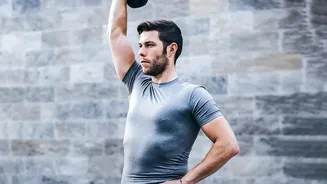
Once you can comfortably perform 10-15 bodyweight squats with perfect form, you're ready to progress. The first step is adding weight with a Goblet Squat. Hold a single dumbbell or kettlebell vertically against your chest. This front-loaded position naturally encourages an upright torso and helps you squat deeper, making it a fantastic teaching tool. The next level is the classic Barbell Back Squat. This variation allows for the heaviest loads, making it superior for building maximal strength and muscle. It requires more stability from your upper back and core. For an advanced challenge, the single-leg Pistol Squat is a true test of strength, balance, and mobility.
The Foundation: Mastering the Lunge
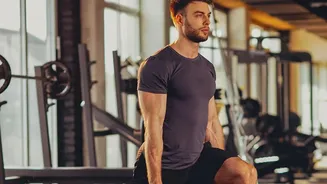
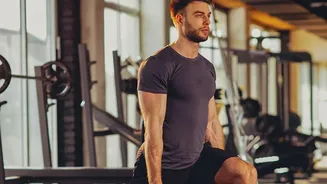
While squats are a bilateral exercise (working both legs at once), lunges are unilateral, training one leg at a time. This makes them excellent for improving balance, coordination, and correcting strength imbalances between your left and right sides. To perform a basic forward lunge, stand with your feet hip-width apart. Step forward with one leg, lowering your hips until both knees are bent at approximately a 90-degree angle. Your front knee should be aligned over your ankle, and your back knee should hover just above the ground. Keep your torso upright and your core engaged. Push off your front foot to return to the start, then repeat on the other side.
Common Lunge Mistakes to Avoid
The most common lunge mistake is letting the front knee travel too far past the toes, which places stress on the joint. Taking a step that's either too short or too long can cause this; aim for that 90-degree bend in both knees. Another error is leaning your torso too far forward or back. Think about lowering your body straight down, not forward. Wobbling or losing balance is also common, often because the feet are too narrow. Ensure you step straight forward, keeping your feet hip-width apart as if they are on separate railway tracks.
Lunge Progression: Easy to Advanced
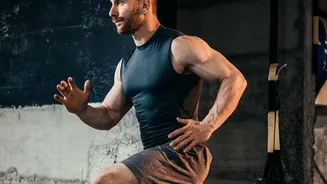
Beginners should master the static lunge first, either forward or reverse. Reverse lunges are often easier for those with knee concerns as your momentum is more controlled. The next step is the Walking Lunge, where you step forward from one lunge directly into the next, which challenges your balance and coordination. For an intermediate variation that targets different muscles, try the Curtsy Lunge, where you step your back leg diagonally behind you. This hits the inner thighs and gluteus medius. The most advanced progression is the plyometric Jumping Lunge. This explosive movement, where you jump and switch legs mid-air, builds power and significantly increases your heart rate, providing a great cardio challenge.