

A Rich History, Reimagined
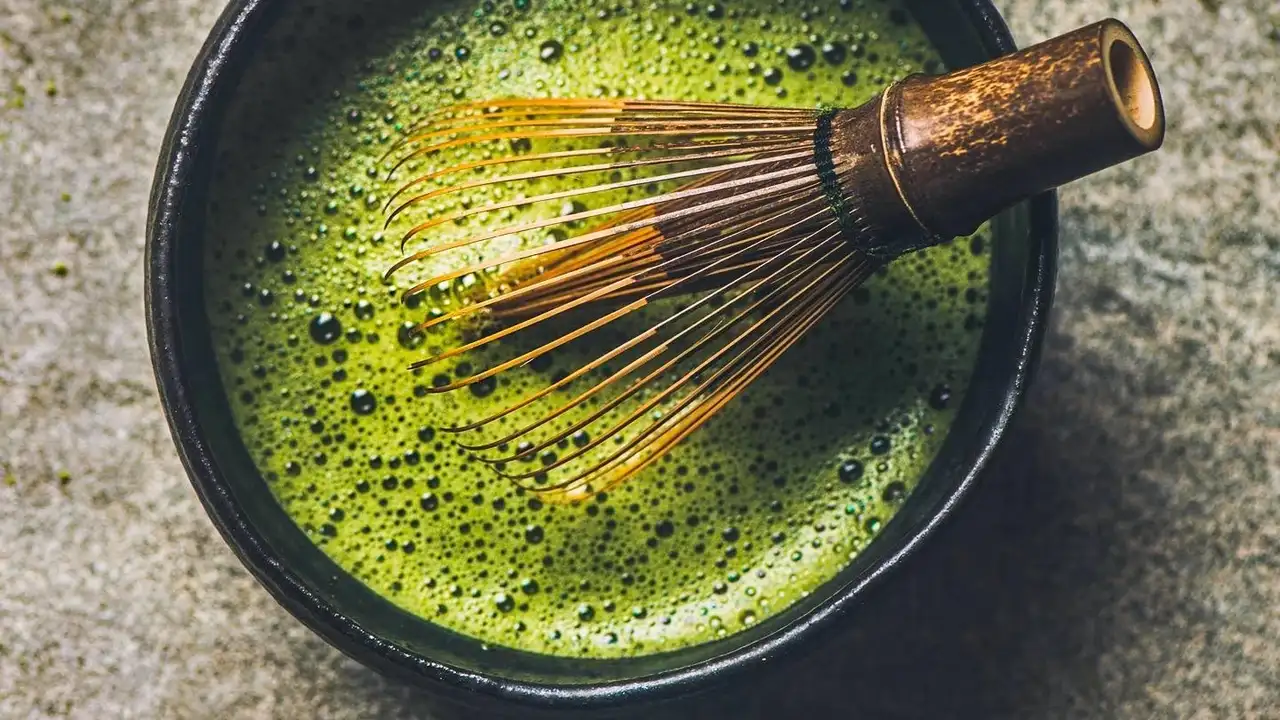
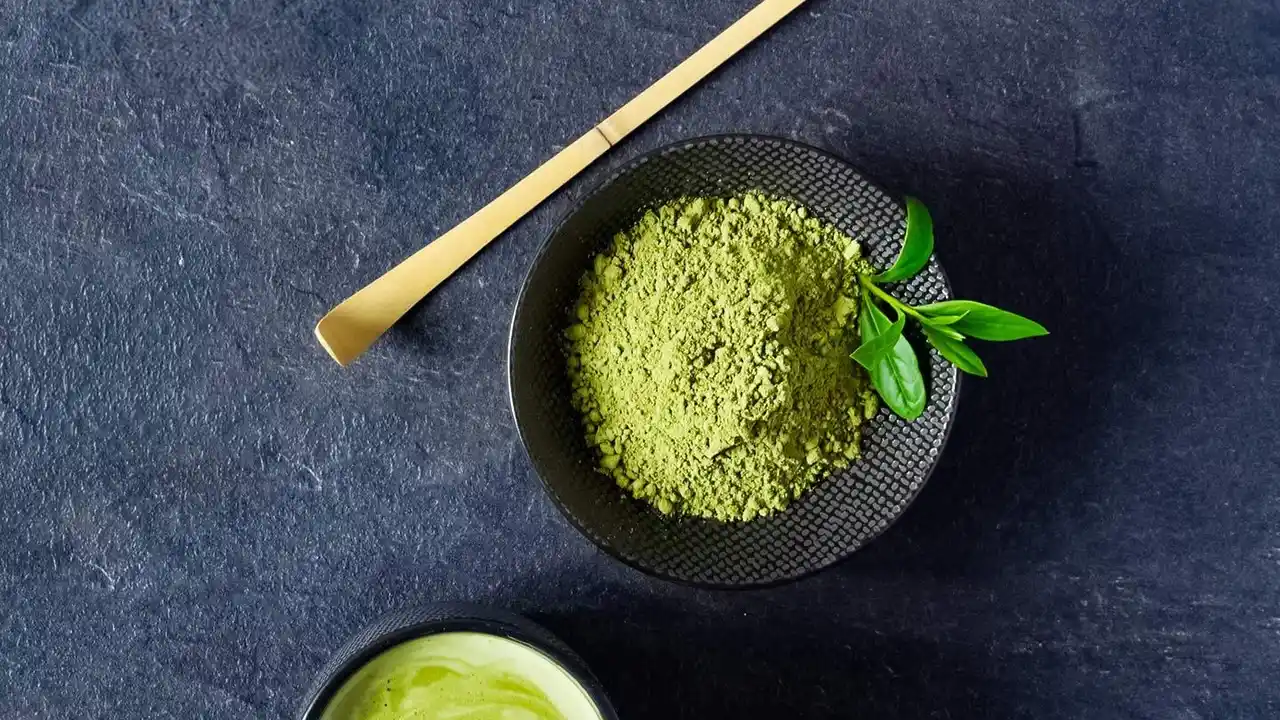
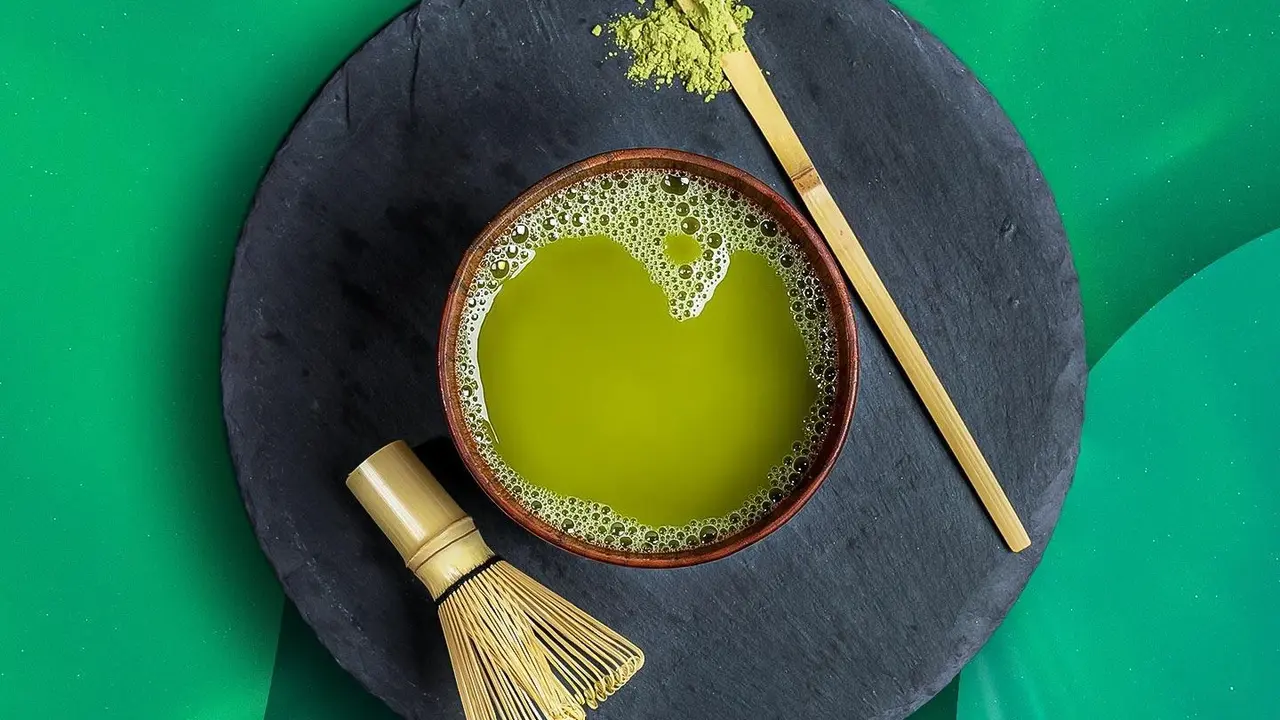
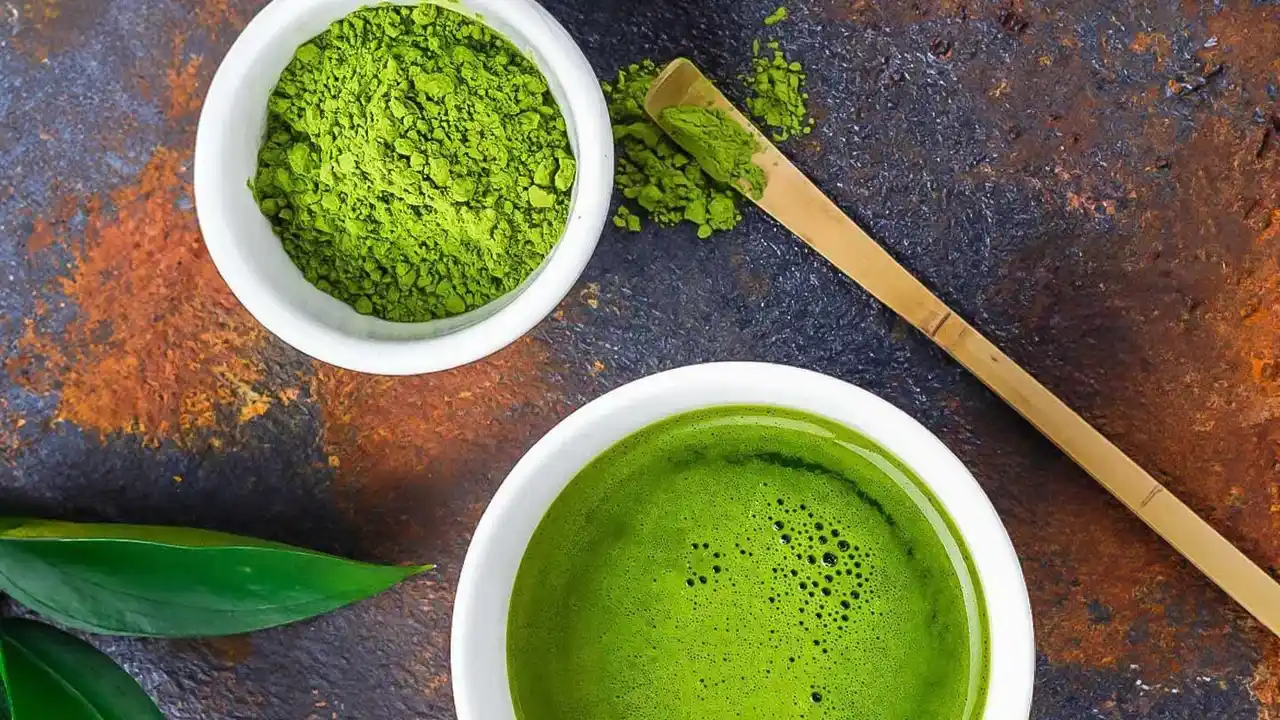
For centuries, matcha held a place of reverence in Japan. Central to the chanoyu, or tea ceremony, its preparation was an art form perfected by Zen Buddhist monks. This finely ground powder made from shade-grown green tea leaves was whisked with hot water
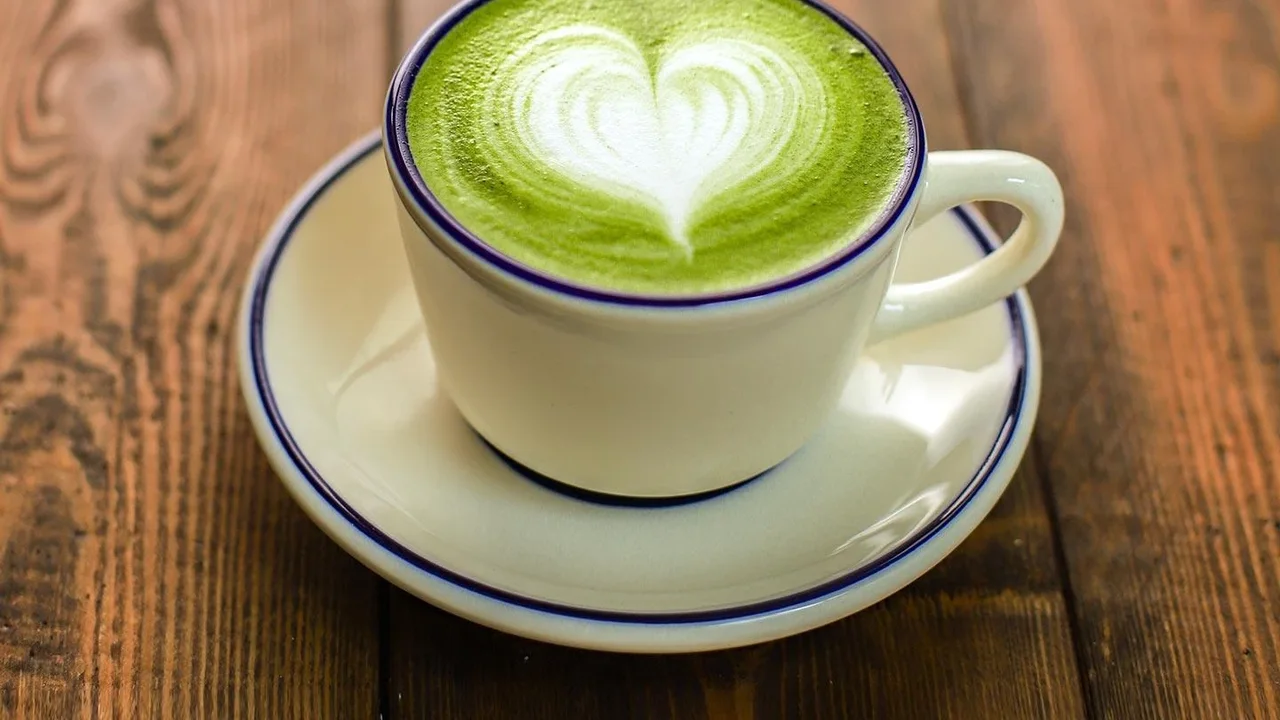
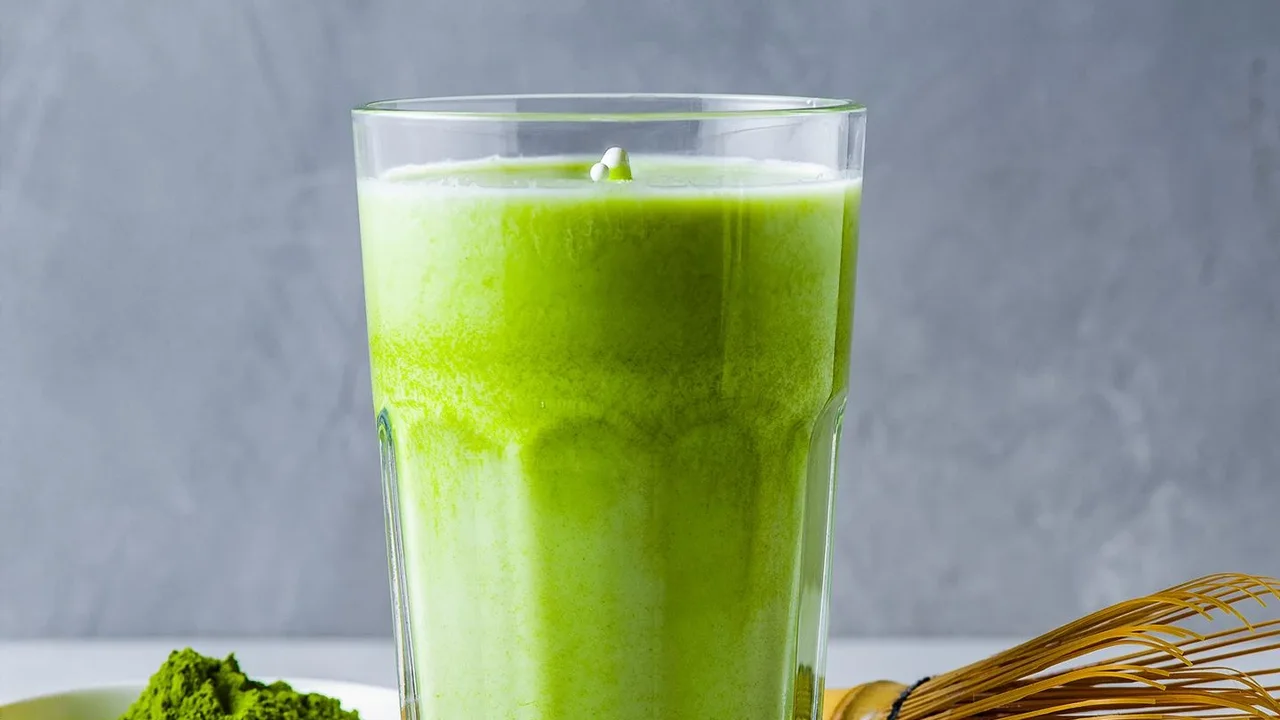
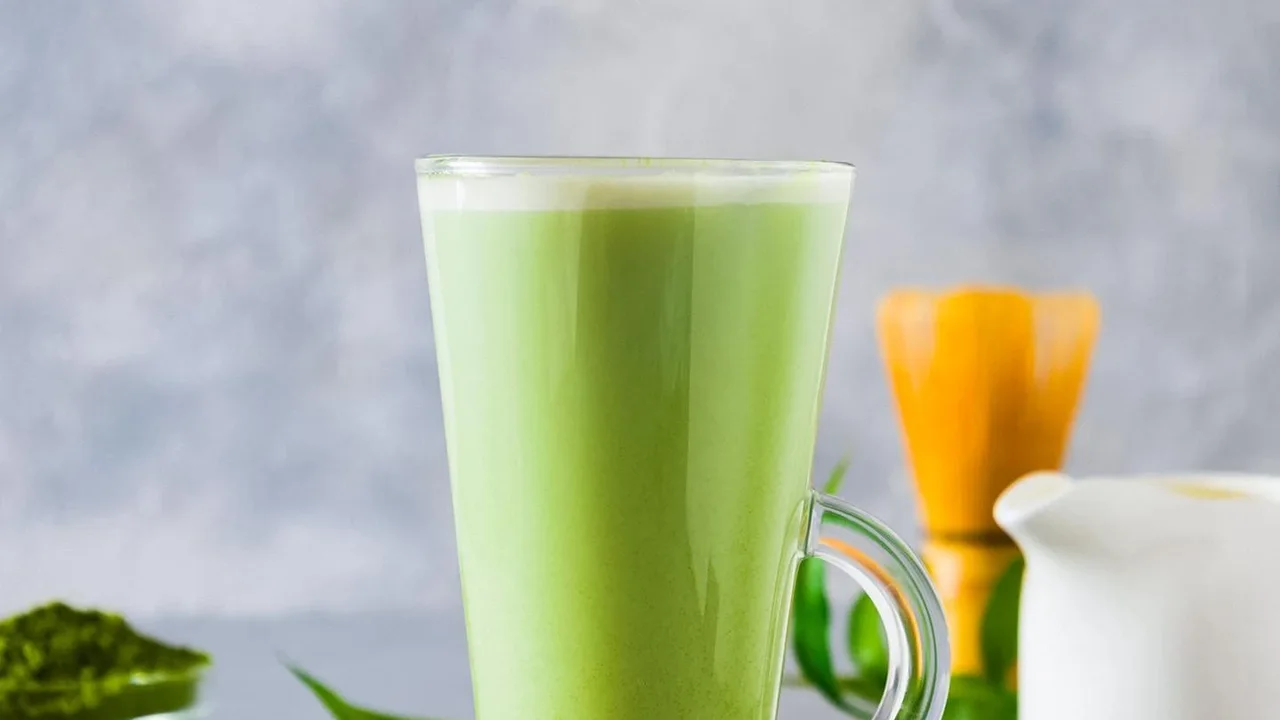
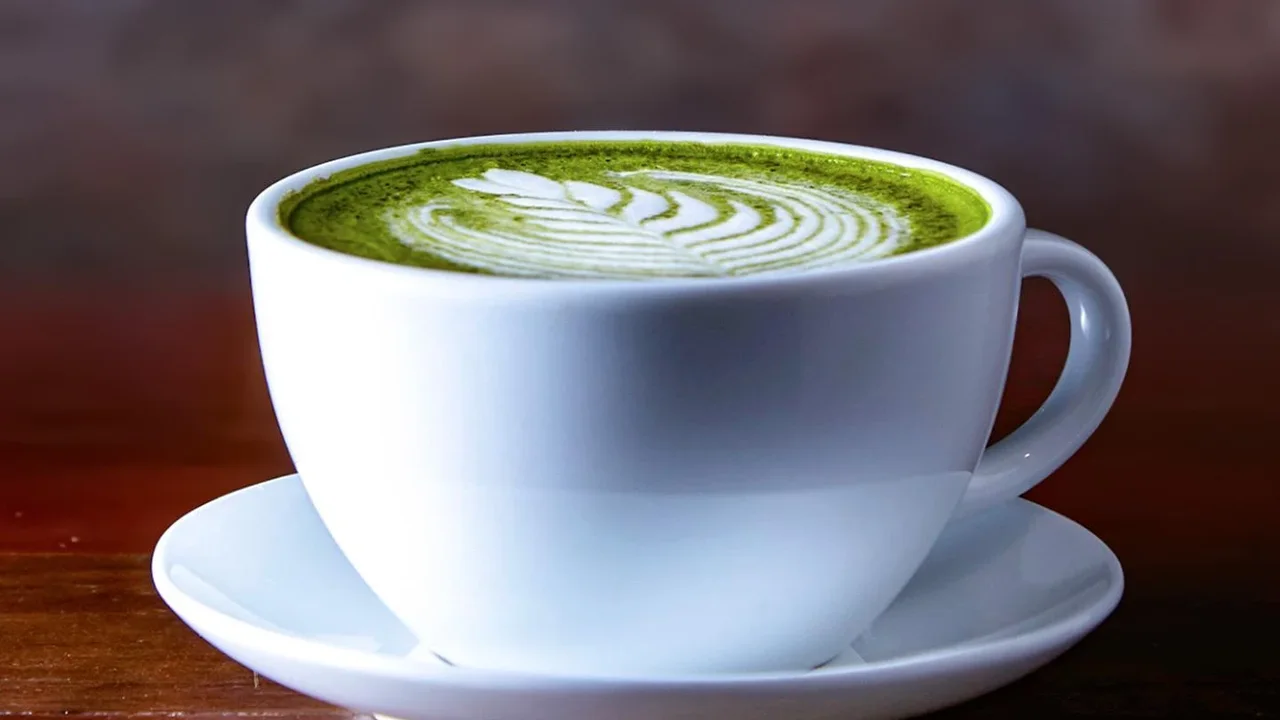
into a frothy, invigorating beverage. For a long time, that was the primary identity of matcha: a symbol of tranquility and mindful ritual. Its first big step into the mainstream came via coffee shops, where the matcha latte became a staple for those seeking a calmer caffeine fix. But that was just the beginning of its global journey.
The Sweet Surrender to Matcha
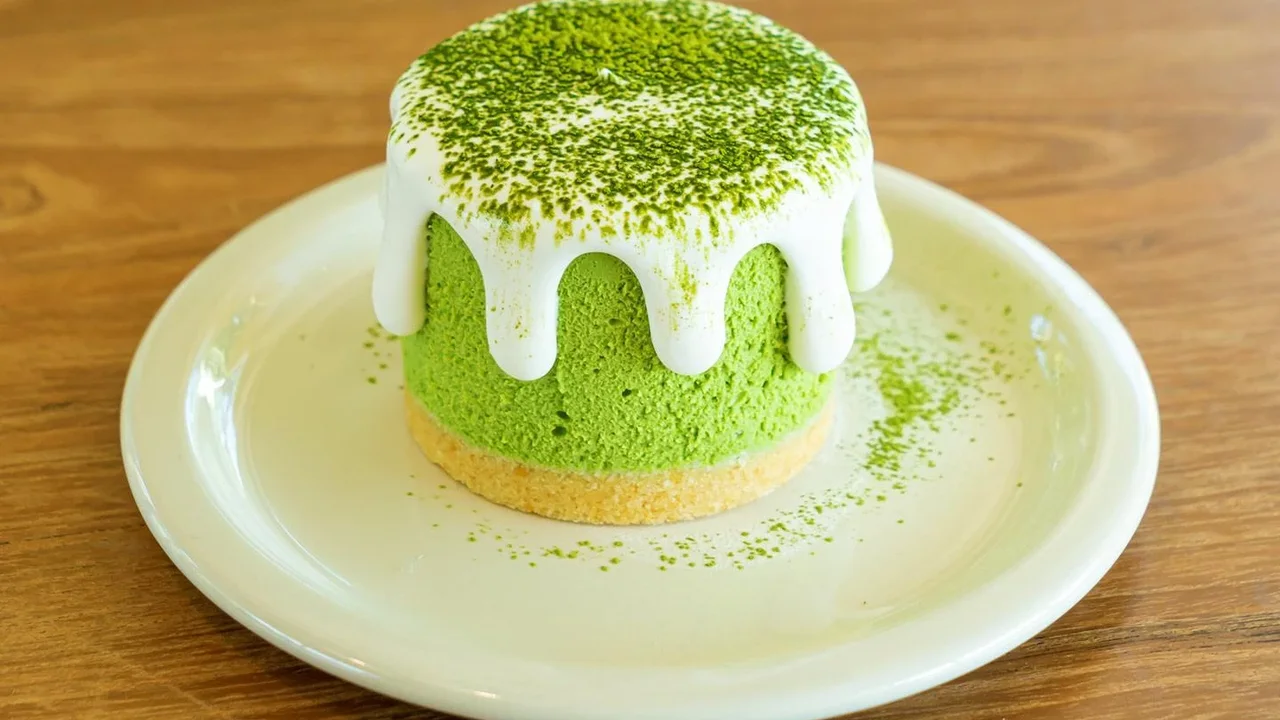
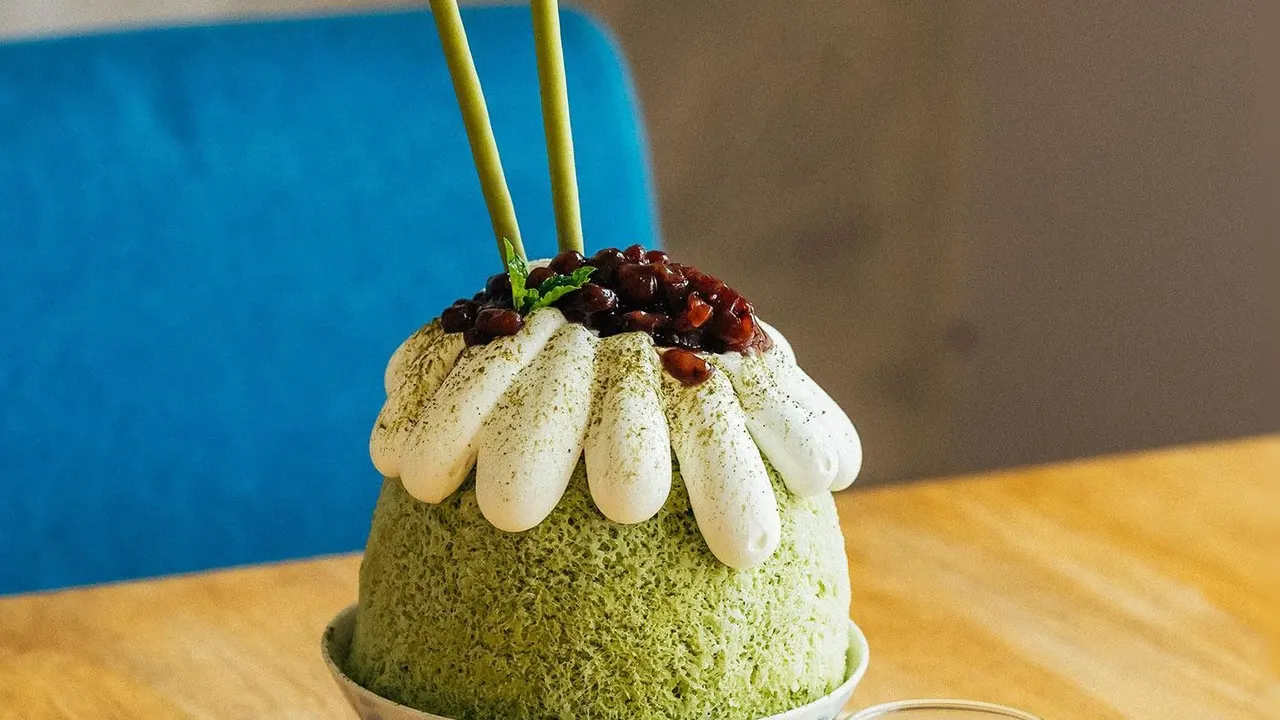
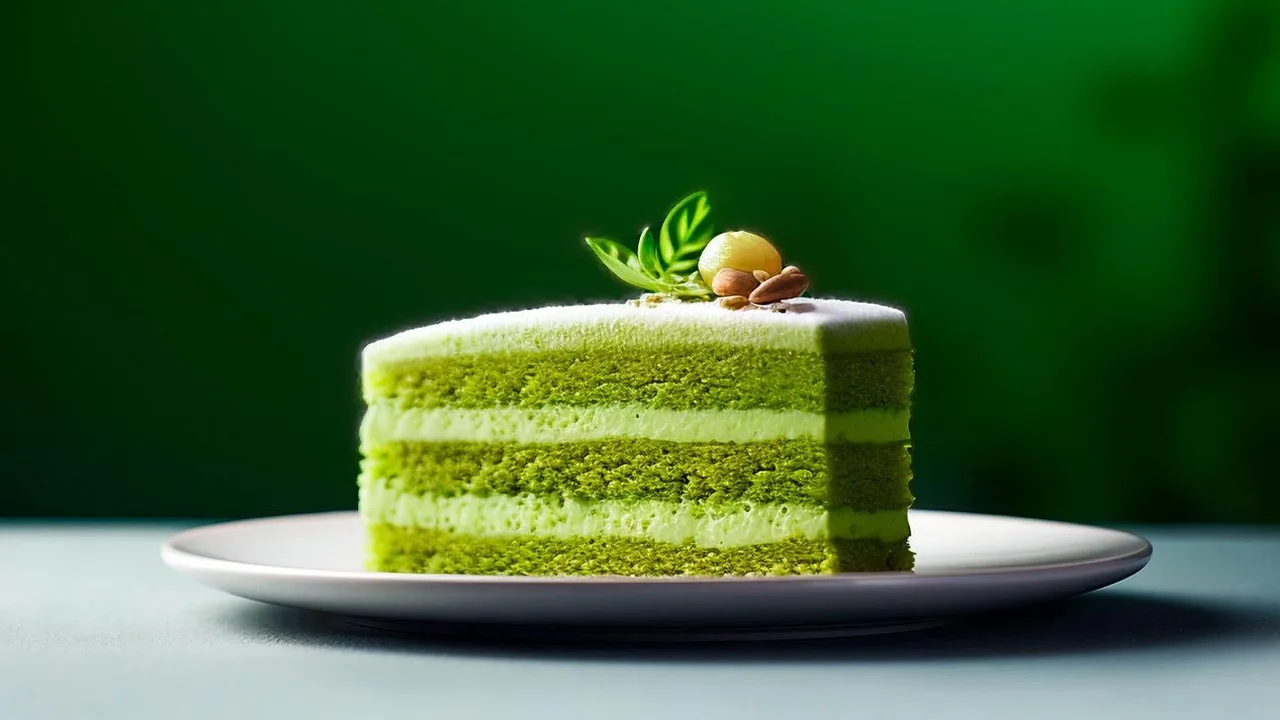
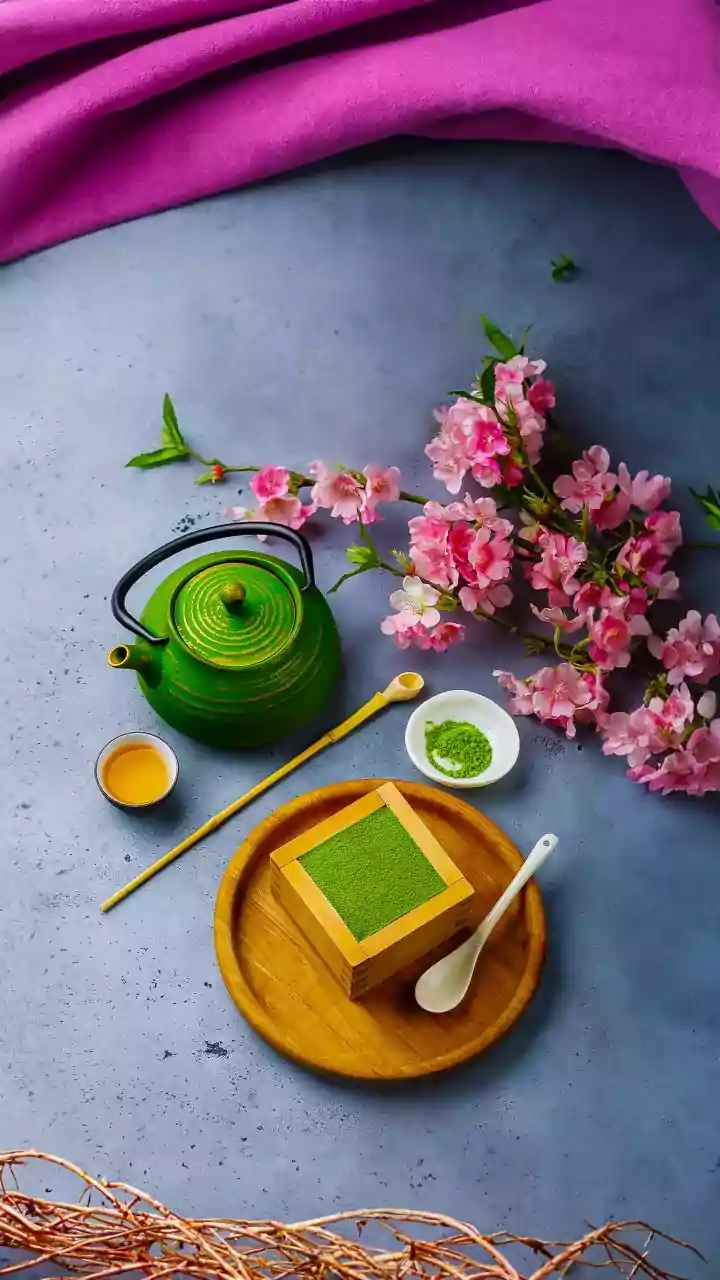
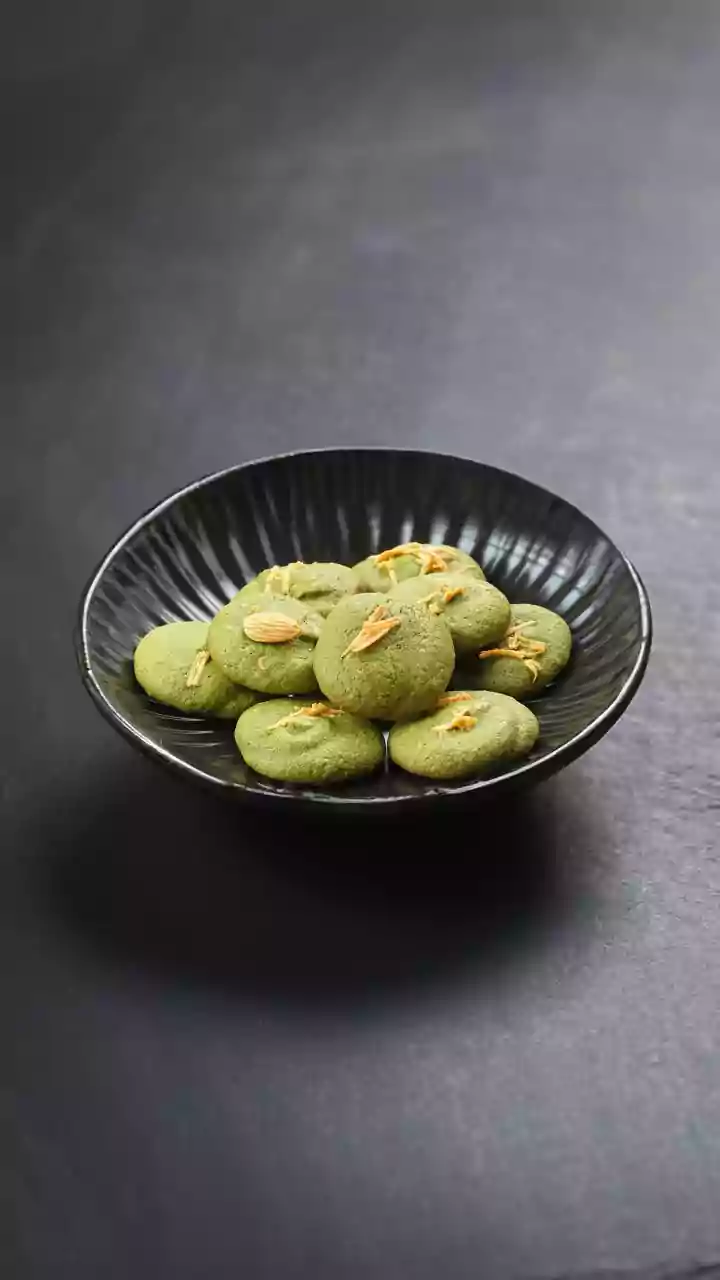
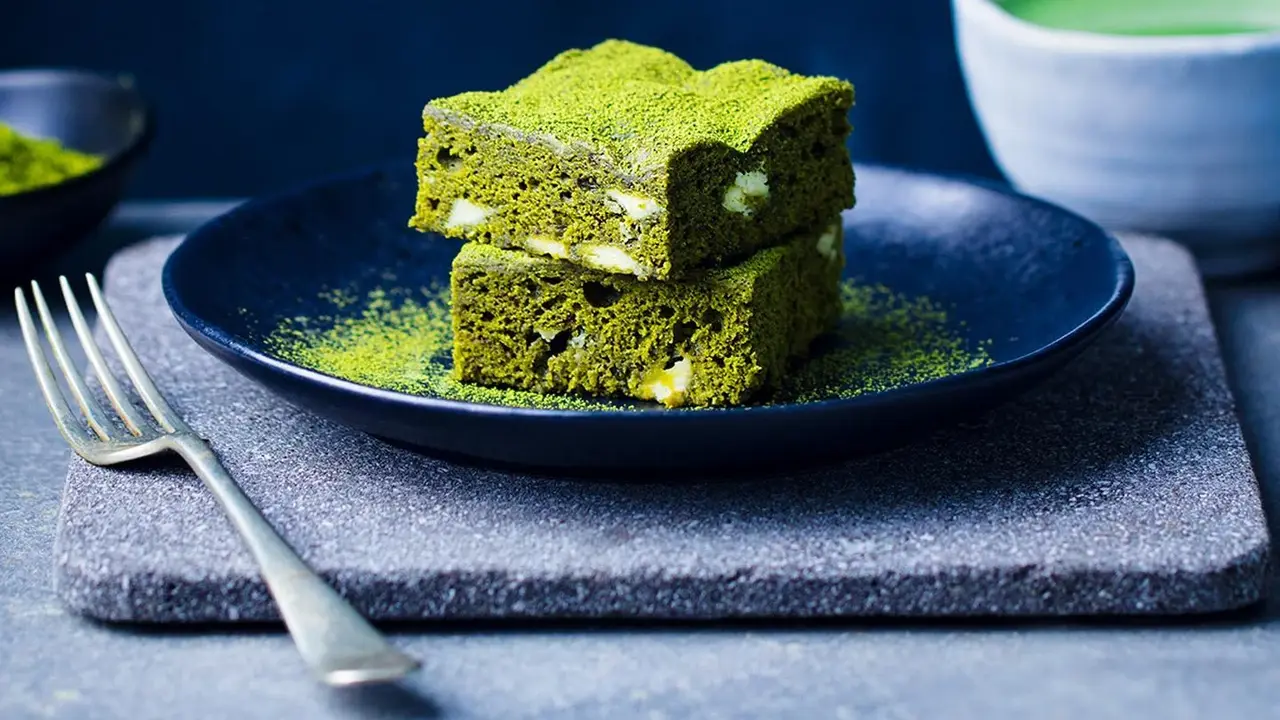
The culinary world, particularly the sweeter side of it, has wholeheartedly embraced matcha. Its unique flavour profile—a complex blend of grassy, nutty, and slightly bitter umami notes—provides a perfect counterpoint to sweetness. This has led to an explosion of matcha-infused desserts. Bakeries and ice cream parlours now feature everything from matcha cheesecakes, tiramisu, and doughnuts to delicate macarons and fluffy chiffon cakes. The powder's fine texture integrates seamlessly into batters and creams, while its striking green colour makes for visually stunning, social-media-ready treats. Flavoured matcha, with hints of vanilla, chocolate, or fruit, is also a rising trend, making the ingredient even more accessible to newcomers.
An Unexpected Savoury Twist
While its use in sweets is now common, matcha’s foray into savoury cooking is where things get truly adventurous. Chefs are experimenting with its umami depth to enhance a variety of dishes. You might find it as a key ingredient in soba noodle dough, giving the pasta an earthy flavour and vibrant hue. It’s also being used as a seasoning, often blended with salt to sprinkle over tempura, roasted vegetables, or even popcorn. Some bold culinary explorations have included matcha in marinades for chicken or fish, in creamy pasta sauces, and even on pizza. This application is still emerging, but it shows the incredible versatility of an ingredient that refuses to be typecast.
Beauty's New Green Hero
Matcha’s influence now extends well beyond the kitchen. The beauty industry has seized upon its potent health benefits, rebranding it as a superstar skincare ingredient. Matcha is packed with antioxidants, particularly EGCG (epigallocatechin gallate), which helps protect the skin from environmental stressors and fight free radicals. Its anti-inflammatory properties can soothe redness and irritation, making it ideal for sensitive or acne-prone skin. As a result, you can now find matcha in a wide array of products, from detoxifying face masks and gentle cleansers to hydrating serums, eye creams, and body scrubs. This “inside-out beauty” trend leverages matcha’s wellness credentials, promising a healthy glow that starts from within and is enhanced by topical application.
Why the Unstoppable Rise?
Several factors are fuelling matcha’s meteoric rise. First are its well-documented health benefits. It offers a “calm alertness” thanks to the combination of caffeine and the amino acid L-theanine, making it a popular alternative to the jittery buzz of coffee. Its high antioxidant content gives it a powerful wellness halo. Second is its undeniable aesthetic appeal; the brilliant green is simply beautiful and performs exceptionally well on visual platforms like Instagram and TikTok, driving its popularity among younger generations. Finally, as consumers become more educated, the demand for high-quality, ceremonial-grade matcha is growing, shifting it from a novelty ingredient to a premium, artisanal product much like specialty coffee.